Pune civic body to spend Rs 167.25 cr to redvelop 135.8 km road for Pune Grand Tour
Source Entity
Ajay Jadhav
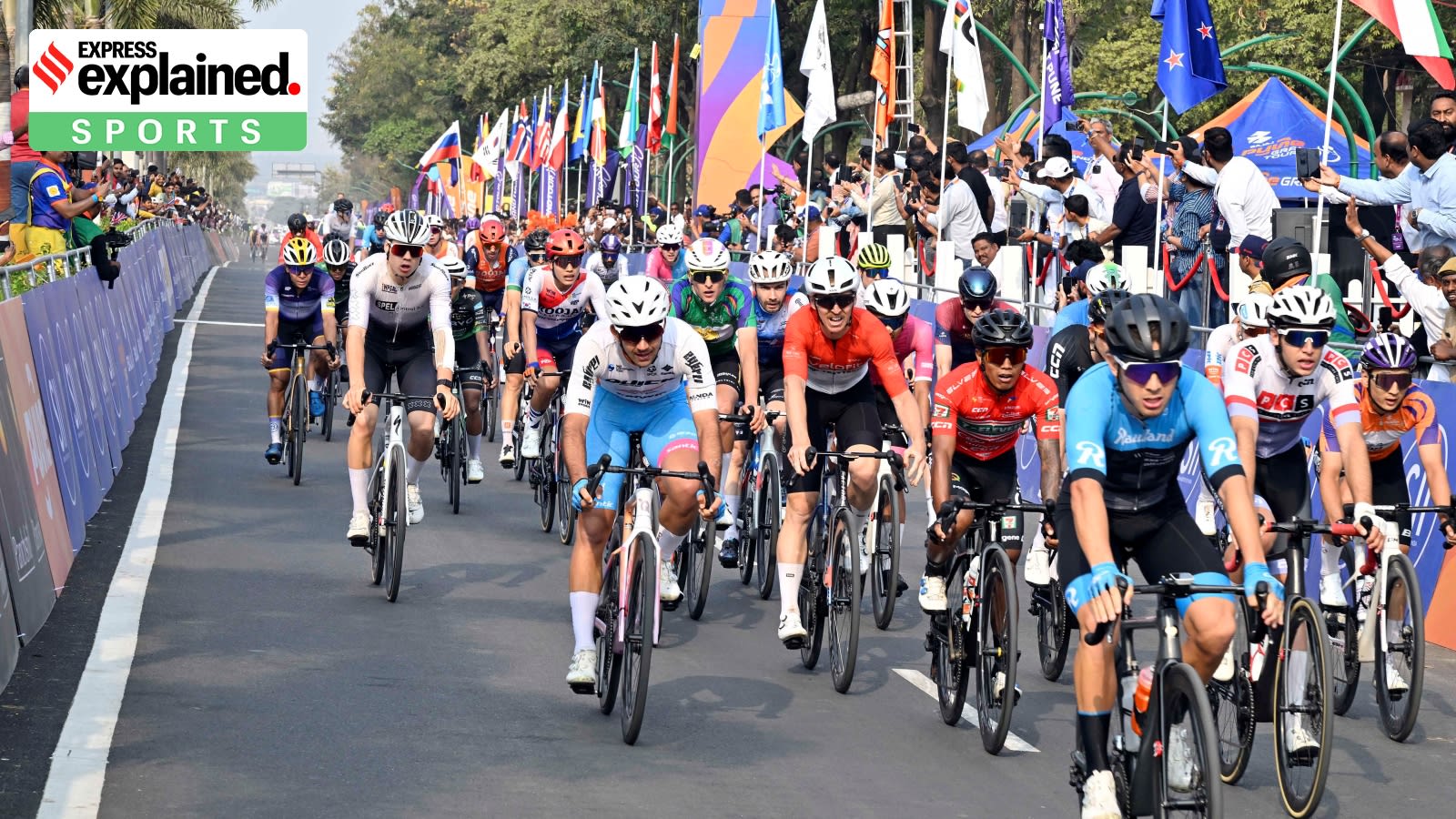
The Pune Municipal Corporation (PMC) has announced a budget of Rs 167.25 crore to redevelop 135.8 km of roads to prepare for the second Pune Grand Tour scheduled for 2027, aiming to enhance city infrastructure and global sporting appeal.
Pune's Strategic Infrastructure Push for the 2027 Grand Tour
Pune is positioning itself as a premier destination for high-profile sporting events with the announcement of a massive infrastructure upgrade. The Pune Municipal Corporation (PMC) has committed Rs 167.25 crore to redevelop 135.8 km of road specifically to facilitate the second Pune Grand Tour in 2027. This move signifies a transition in urban planning where major sporting events are used as catalysts for large-scale civic improvement, ensuring that the city's roads meet international standards for competition while providing long-term utility for the general populace.
Infrastructure Scaling and Urban Mobility
The scale of the redevelopment is significant, covering a total distance of 135.8 km, with a critical 52.09 km segment falling under specific priority zones within the PMC limits. By investing over Rs 167 crore, the civic body is not merely preparing a race track but is effectively upgrading the city's arterial road network. This type of targeted redevelopment typically involves improving surface quality, enhancing drainage systems, and optimizing road geometry, which will likely lead to a reduction in traffic congestion and a decrease in road-maintenance costs in the years following the event.
Economic Implications and Global Branding
Hosting the second iteration of the Pune Grand Tour suggests a strategic effort to establish the event as a recurring fixture on the global sporting calendar. Such events bring substantial economic benefits, including a surge in tourism, increased hotel occupancy, and global media visibility for Pune as a modern, accessible city. By aligning infrastructure spending with a high-visibility event, the PMC is leveraging "event-led development," a strategy often seen in global cities to fast-track urban modernization that might otherwise face bureaucratic delays in a standard budget cycle.
Historical Context of Event-Driven Development
Historically, cities worldwide have utilized major competitions—such as the Olympics or the Tour de France—to justify massive investments in public works. Pune is adopting a similar model by linking the 2027 Grand Tour to the redevelopment of 135.8 km of road. This approach ensures that the funding is earmarked for specific, high-impact zones, creating a legacy of improved connectivity that persists long after the race has concluded. The focus on the "second" tour indicates that the city is building upon previous experiences to refine its logistical and infrastructural capabilities.
Future Trends in Smart City Integration
Looking forward, this project likely serves as a blueprint for how Pune will integrate sports and urban planning. We can expect a trend where subsequent sporting events lead to the development of dedicated cycling lanes, pedestrian-friendly zones, and integrated transit hubs along the Grand Tour route. As Pune continues to grow as an IT and education hub, the demand for high-quality road infrastructure will only increase, making this Rs 167.25 crore investment a timely intervention in the city's growth trajectory.
Conclusion
In summary, the redevelopment of 135.8 km of road for the 2027 Pune Grand Tour is a dual-purpose investment. While the immediate goal is to provide a world-class route for a prestigious race, the lasting impact will be a modernized road network that benefits millions of daily commuters. By blending sporting ambition with civic duty, the PMC is enhancing Pune's global image while simultaneously solving critical urban infrastructure challenges.