Pune records hottest October day since 2002
Source Entity
Dipanita Nath
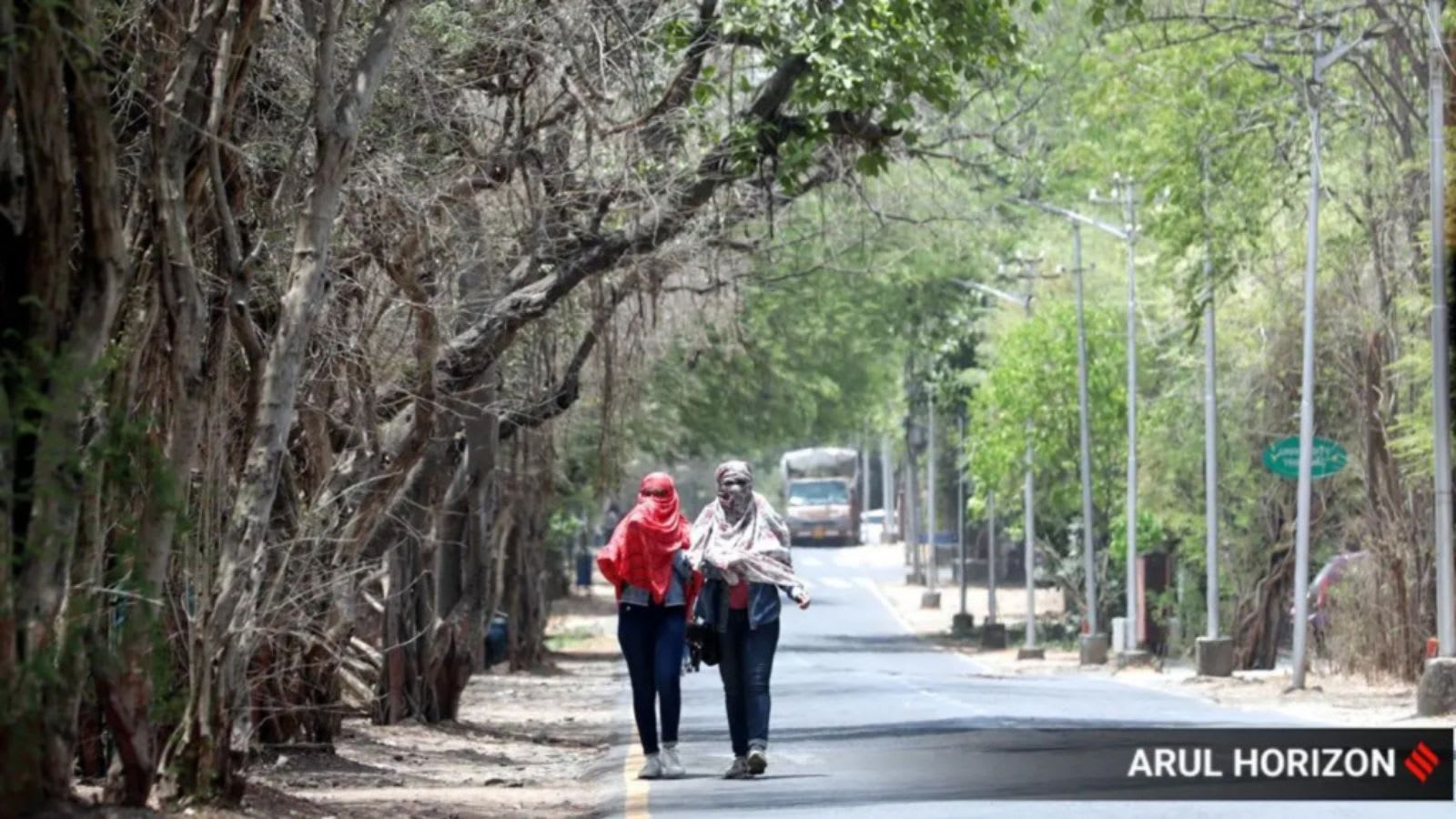
Pune has experienced its hottest October day since 2002, with temperatures in areas like Shivajinagar reaching 35.7 degrees Celsius. The India Meteorological Department expects these above-normal temperatures to persist through October 12.
Pune Faces Unprecedented October Heatwave
Pune is currently grappling with an intense spell of unseasonal heat, marking a significant meteorological event for the region. According to the latest data from the India Meteorological Department (IMD), Shivajinagar recorded a maximum temperature of 35.7 degrees Celsius this past Tuesday. This figure is not merely a daily high; it represents a departure of 4.4 degrees above the seasonal normal, establishing a new record for the highest temperature recorded in October since 2002.
Widespread Impact Across Suburbs
The heat is not confined to a single station but is widespread across Pune and its suburban landscape. Lohegaon has been particularly affected, recording a staggering 36.6 degrees Celsius, which is 5.3 degrees above the expected norm for this time of year. Other critical areas, including Wadgaonsheri, Chinchwad, NDA, and Hadapsar, have consistently seen temperatures climb past the 35-degree mark. Meanwhile, regions like Pashan and Magarpatta are also experiencing significant thermal stress, with readings exceeding 34 degrees Celsius.
Meteorological Context and IMD Forecasts
The IMD has issued a continued forecast indicating that this trend of elevated temperatures is likely to persist. Residents in Shivajinagar, Pashan, and the NDA vicinity are advised to prepare for maximum temperatures remaining near the 35-degree Celsius threshold at least until October 12. This sustained heat indicates a stable atmospheric pattern that is preventing the usual cooling transition typically associated with the post-monsoon period in Maharashtra.
Analyzing the Historical Significance
Comparing current data against historical records dating back to 2002 provides a stark illustration of the current anomaly. While temperature fluctuations are standard in tropical climates, the consistent multi-day rise in maximum temperatures suggests a deviation from established weather patterns for October. This month, which usually marks the transition toward more temperate conditions as the monsoon retreats, is currently behaving more like a late summer period.
Broader Implications and Future Outlook
The implications of such prolonged heat are multi-faceted, ranging from increased energy demands for cooling to potential health risks for vulnerable populations. As the city continues to swelter under these conditions, the focus remains on the IMD's ongoing monitoring. Experts suggest that the persistent nature of this heatwave could have implications for local agricultural cycles and urban water management if the trend continues beyond the forecasted window of October 12.
Conclusion
In summary, Pune is navigating a record-breaking heat event that highlights the volatility of regional weather patterns. With temperatures significantly above the historical baseline, the city remains on high alert. The ongoing data collection by the IMD will be crucial in determining whether this is a short-term atmospheric disturbance or a sign of shifting seasonal norms in the Pune district.