Passport office gets third hoax bomb threat in five months
Source Entity
The Indian Express
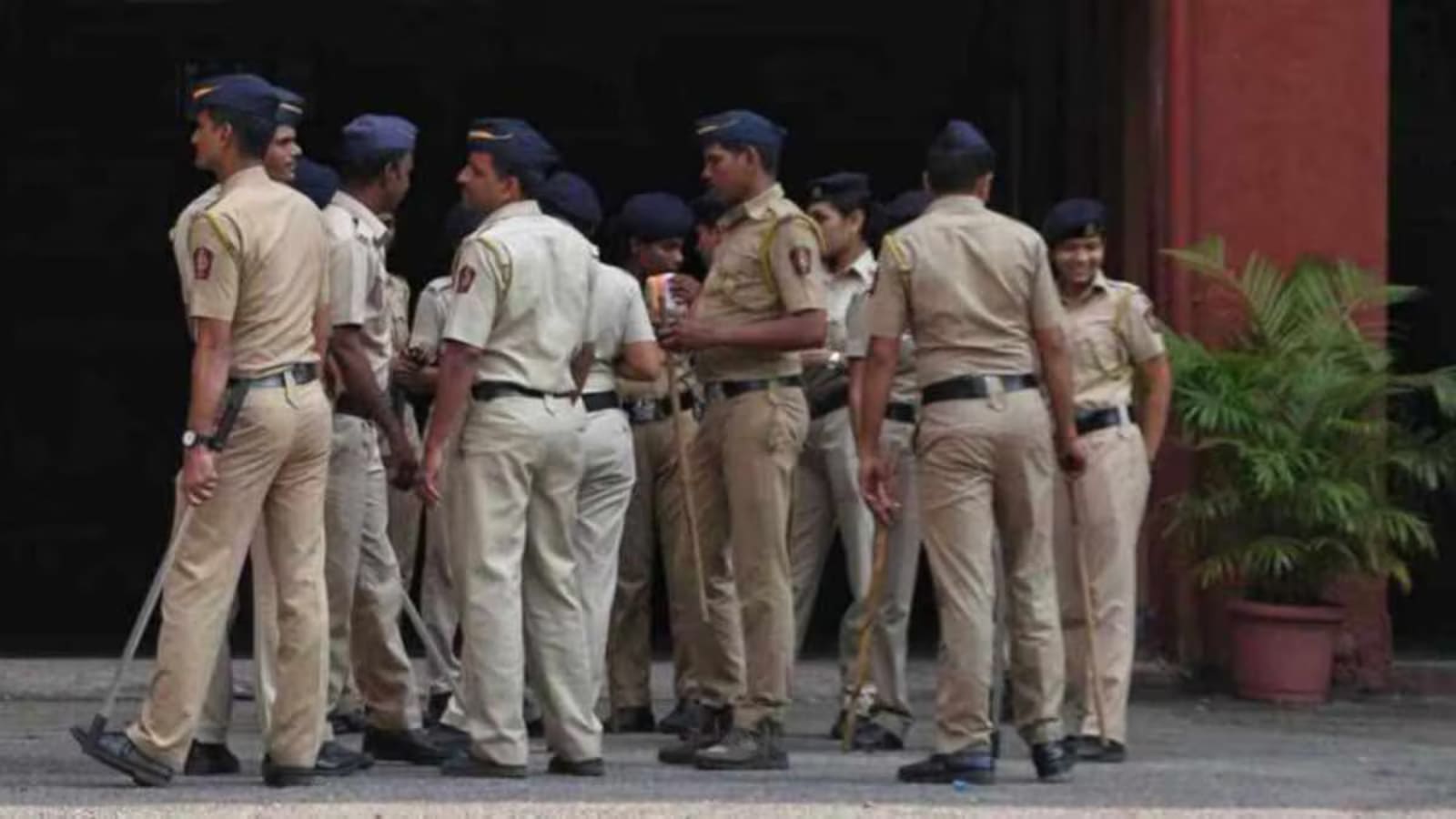
The Regional Passport Office in Pune, located on Baner-Pashan Link Road, received its third hoax bomb threat in five months via email, which also targeted other passport and post offices.
Escalating Security Concerns: Repeated Hoax Threats at Pune Passport Office
The Regional Passport Office on Baner-Pashan Link Road in Pune has once again become the epicenter of a security scare, receiving its third hoax bomb threat within a span of just five months. This latest incident, delivered via email, was not an isolated event but part of a broader wave of threatening messages sent to multiple passport and post offices. While the threats were eventually determined to be hoaxes, the frequency of these occurrences points to a troubling trend of targeting critical administrative infrastructure in urban centers.
The Pattern of Disruption
Receiving three such threats in less than half a year suggests a systemic pattern rather than a random act of mischief. The targeting of passport offices is particularly strategic; these offices are high-traffic zones where hundreds of citizens gather daily for essential documentation. By targeting these specific hubs, the perpetrators ensure maximum visibility and disruption. The psychological impact on both the staff and the general public cannot be understated, as repeated scares create an atmosphere of anxiety and instability within a government facility intended for streamlined public service.
Operational and Resource Strain
Every bomb threat, regardless of its eventual classification as a hoax, triggers a mandatory and rigorous security protocol. This involves the immediate evacuation of the premises, the deployment of bomb disposal squads, and the cordoning off of the surrounding Baner-Pashan Link Road area. The diversion of police and security personnel to handle these fake alerts creates a significant drain on municipal resources. When emergency services are occupied with hoaxes, the city's overall readiness to respond to genuine emergencies is potentially compromised, highlighting the dangerous real-world consequences of "prank" security threats.
The Psychology of Targeting Public Infrastructure
There is a broader implication to the choice of targets—passport and post offices. These institutions represent the primary interface between the state and the citizen for international mobility and communication. Disrupting these services can cause significant delays for travelers and business professionals, leading to administrative bottlenecks. The use of email as the medium of delivery suggests a desire for anonymity and a low-risk method of causing high-impact chaos, reflecting a modern trend where digital tools are used to incite physical panic.
Cyber-Forensics and the Challenge of Attribution
The challenge for law enforcement in these cases lies in the anonymity of digital communication. The use of encrypted email services, VPNs, or spoofed addresses often makes it difficult to trace the origin of the threats quickly. However, the repetition of these attacks provides a digital trail that investigators can analyze for similarities in language, timing, and delivery methods. This case underscores the urgent need for enhanced cyber-forensic capabilities within local police departments to identify and prosecute individuals who weaponize fear through digital channels.
Conclusion: Strengthening Resilience
In summary, the repeated hoax threats at the Pune Regional Passport Office are more than mere nuisances; they are calculated disruptions of public order. Moving forward, it is likely that government offices will need to implement more sophisticated threat-assessment AI to filter hoax communications from credible threats to avoid unnecessary shutdowns. Until the perpetrators are apprehended, the balance between maintaining strict security protocols and ensuring the continuity of public services remains a critical challenge for the Pune administration.