Work begins on Pune railway station’s 5,800-sq-m holding area
Source Entity
Latest News: Todays Latest News Headlines from India & World | Hindustan Times | Hindustan Times
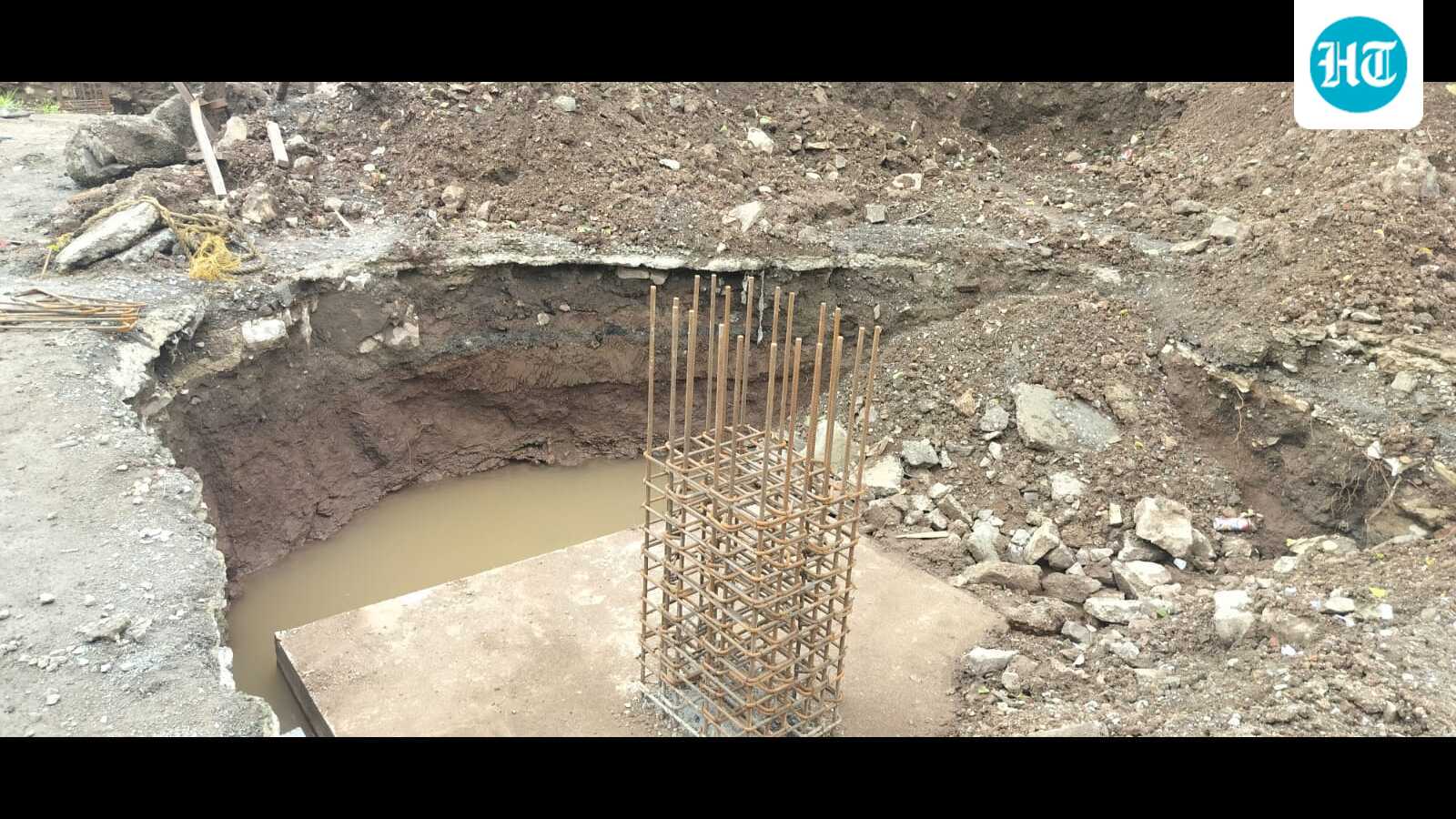
Pune railway station has commenced construction on a 5,800-square-metre holding area to manage passenger congestion. The project aims to streamline commuter movement through dedicated pre-ticketing, ticketing, and post-ticketing zones.
Enhancing Transit Infrastructure: The Pune Railway Station Expansion
Addressing Urban Transit Challenges
The commencement of construction on a 5,800-square-metre holding area at Pune railway station marks a critical intervention in urban transit management. As one of the busiest transit hubs in Maharashtra, Pune station has historically struggled with overcrowding in its circulating area and concourse, particularly during peak commuting hours. By formalizing a dedicated holding space, railway authorities are shifting toward a more structured passenger management system designed to mitigate the physical strain and safety risks associated with high-density foot traffic.
Structural Breakdown of the Holding Area
The project is meticulously divided into three functional zones to ensure a logical flow of passengers. The plan allocates approximately 1,570.6 square metres for a pre-ticketing zone, 2,383.5 square metres for the primary ticketing zone, and 1,851.7 square metres for a post-ticketing zone. This compartmentalization is intended to prevent the bottlenecking that typically occurs when ticket-buying and platform-boarding crowds intersect, allowing for a more systematic transition from the station entrance to the rail platforms.
Improving Passenger Safety and Comfort
Beyond simple aesthetic upgrades, the core objective of this expansion is the enhancement of passenger safety. Congestion in transit hubs often leads to chaotic movement, which can be hazardous during rush hours. By creating a physical buffer zone, the station can better regulate the number of individuals entering the concourse at any given time. This initiative aligns with broader national efforts to modernize railway infrastructure, ensuring that high-traffic stations can accommodate growing passenger volumes without compromising safety standards.
Broader Implications for Pune’s Connectivity
Pune is a rapidly growing urban center, and its railway station serves as a vital gateway for both daily commuters and long-distance travelers. The current development is a proactive measure to anticipate future transit demands. If successful, this model of zonal management could serve as a blueprint for other major railway stations across the Indian network facing similar density challenges, demonstrating how strategic spatial planning can optimize existing infrastructure.
Future Outlook and Conclusion
The integration of these specialized zones represents a significant step toward a more efficient passenger experience. As the work progresses, the focus will likely remain on ensuring that the physical layout effectively translates into reduced wait times and more orderly platform access. Ultimately, this 5,800-square-metre project is a necessary evolution for Pune, balancing the needs of a growing population with the operational requirements of a major Indian railway hub.
Verification Required?