Ahead Of Smog Season, Bhagwant Mann Defends Punjab Farmers, Takes Dig At Pakistan
Source Entity
NDTV News Search Records Found 1000
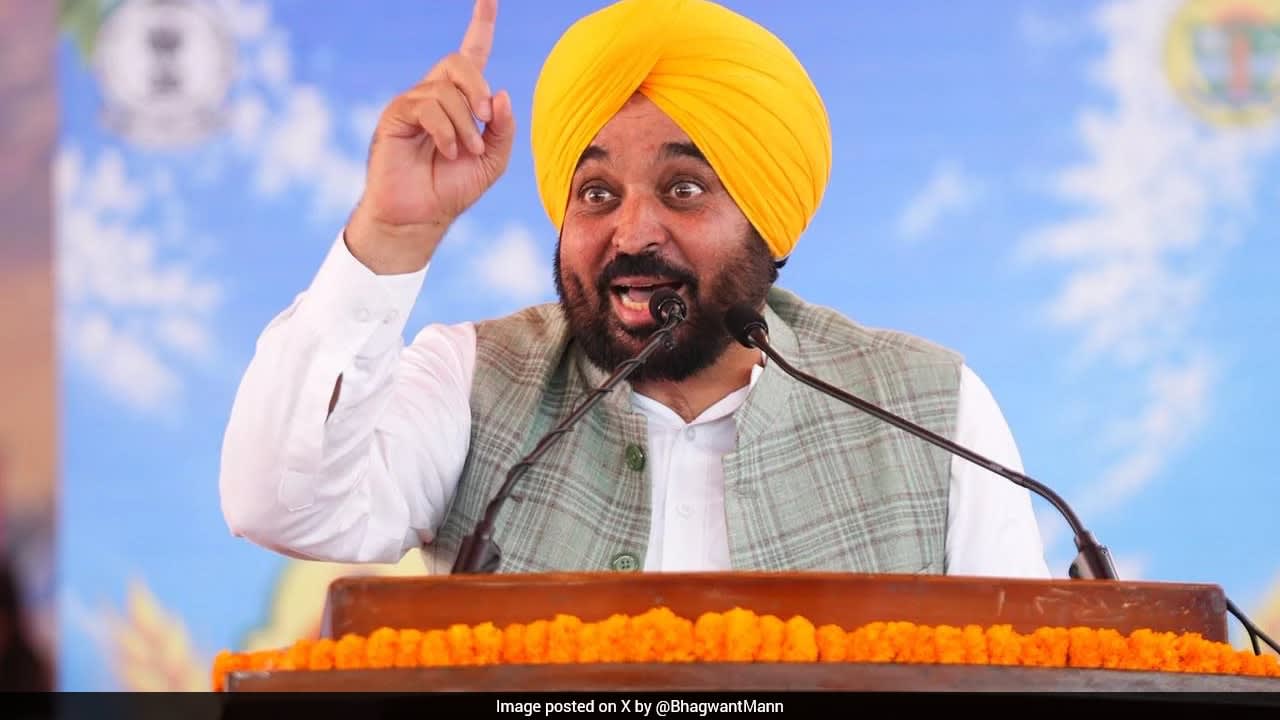
Punjab CM Bhagwant Mann has opposed filing FIRs against farmers for stubble burning, calling instead for cash incentives to manage crop residue. This stance comes ahead of the critical harvest season as air pollution concerns rise in the Delhi-NCR region.
The Stubble Burning Controversy: A Policy Stand-off
Punjab Chief Minister Bhagwant Mann has recently signaled a pivotal shift in the state's approach to the annual crisis of stubble burning. By explicitly stating his opposition to filing First Information Reports (FIRs) against farmers, Mann is attempting to navigate the precarious balance between environmental accountability and the socio-economic realities of the agricultural sector. This development arrives just days before the commencement of the paddy harvesting season, a period historically associated with a massive spike in air pollution across the Delhi-NCR region.
The Economic Pressure on Farmers
At the heart of the issue is the extremely narrow window available for farmers to clear their fields after the paddy harvest in October and November before sowing the Rabi wheat crop. For many, burning crop residue serves as a rapid, low-cost method to prepare the land for the next cycle. Farmers have consistently argued that without financial assistance or advanced machinery, they are forced into this practice. Consequently, there is a persistent demand for a cash incentive of ₹3,000 per acre to facilitate sustainable management of the residue, a demand that CM Mann has highlighted as a necessary alternative to punitive legal measures.
Environmental Impact and Regional Tensions
Stubble burning in Punjab and Haryana is frequently cited as a primary driver of the hazardous air quality levels that plague the Delhi-NCR region during the winter months. The smoke generated by burning residue contributes significantly to the smog that blankets Northern India, creating a public health crisis that draws intense scrutiny from judicial bodies and environmental agencies. This environmental impact has turned the agricultural practices of Punjab into a contentious national issue, pitting the needs of food producers against the health requirements of millions of urban residents.
Political Rhetoric and Accountability
In his recent address at the Punjab Agricultural University in Ludhiana, CM Mann not only defended the state's farming community but also attempted to shift the focus of the discourse. By taking a dig at Pakistan in relation to the broader regional air quality issue, the Chief Minister is signaling a desire to broaden the conversation beyond just the local agricultural practices. This move reflects a political strategy aimed at mitigating the narrative that Punjab’s farmers are solely responsible for the regional smog crisis.
Future Implications for Policy
Moving forward, the effectiveness of the Punjab government’s approach remains to be seen. If the state moves away from punitive measures like FIRs, it must ensure that the alternative—the proposed cash incentives—is implemented effectively and at scale to discourage the burning of residue. The success of this strategy will likely serve as a litmus test for future agricultural policies in Northern India. If incentives are insufficient, the region may face another season of severe air quality degradation, potentially leading to further intervention from central authorities and the judiciary.
Verification Required?