Tractor or BMW, Drugs Find a Ride In Punjab
Source Entity
NDTV News Search Records Found 1000
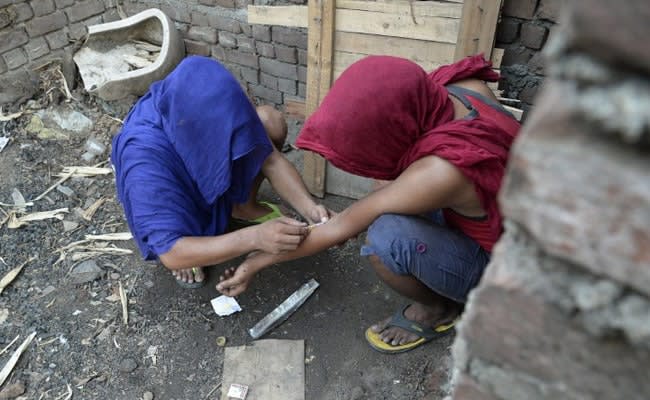
Drug trafficking in Punjab is evolving, with criminal networks utilizing both unconventional agricultural vehicles and high-end luxury cars to transport illicit goods. Recent police operations in Moga and Amritsar highlight these disparate methods of concealment.
The Evolving Landscape of Drug Trafficking in Punjab
Recent law enforcement operations in Punjab have uncovered a sophisticated and varied approach to narcotics distribution, revealing how criminal syndicates are adapting their logistics to bypass security measures. The stark contrast between the methods employed in Moga and Amritsar underscores a broader trend where traffickers exploit both the mundane and the elite aspects of transportation to facilitate the movement of heroin and weaponry.
The Moga Modus Operandi: Blending into the Agricultural Landscape
In Moga, the reported reliance on an agricultural tractor as a vessel for drug concealment represents a strategic attempt to exploit the region's agrarian infrastructure. By utilizing a tractor—a staple of the Punjab rural economy—and concealing contraband within a speaker box, the accused aimed to maintain a low profile. This method relies on the sheer volume of agricultural machinery on local roads, making it difficult for law enforcement to isolate suspicious vehicles without specific intelligence.
The Amritsar Network: High-Speed Luxury as a Shield
Conversely, the situation in Amritsar presents a different logistical philosophy. The use of a luxury BMW to transport drugs and weapons suggests a criminal network that prioritizes speed, comfort, and the social status afforded by high-end vehicles. Luxury cars often attract less scrutiny at routine checkpoints compared to commercial or utility vehicles, allowing traffickers to move through urban environments with a perceived air of legitimacy.
Strategic Implications for Regional Security
These two cases demonstrate that drug syndicates are not tethered to a single method of operation. Instead, they are diversifying their logistical chains to suit different terrains and risk profiles. The duality of these approaches—one blending into the rural scenery and the other leveraging the anonymity of luxury transit—poses a significant challenge for Punjab police forces who must now contend with a highly adaptable threat landscape.
Historical Context and Future Trends
Historically, drug trafficking in the border state of Punjab has been a persistent concern, often linked to cross-border dynamics and local distribution networks. As authorities increase surveillance on traditional transport methods, criminals are forced to innovate. Future trends suggest that we will likely see a continued hybridization of methods, where traffickers oscillate between low-profile utility vehicles and high-performance cars to keep law enforcement off-balance.
Conclusion: Adapting Enforcement Strategies
The recent seizures in Moga and Amritsar serve as a critical reminder of the ingenuity required to combat modern narcotics networks. Effective interdiction will now require a multi-faceted approach that looks beyond traditional profiling, focusing instead on behavioral intelligence and modern surveillance to identify how traffickers are repurposing everyday infrastructure for illicit ends.
Verification Required?