UK-France 'one in, one out' migrant scheme scrapped
Source Entity
BBC News
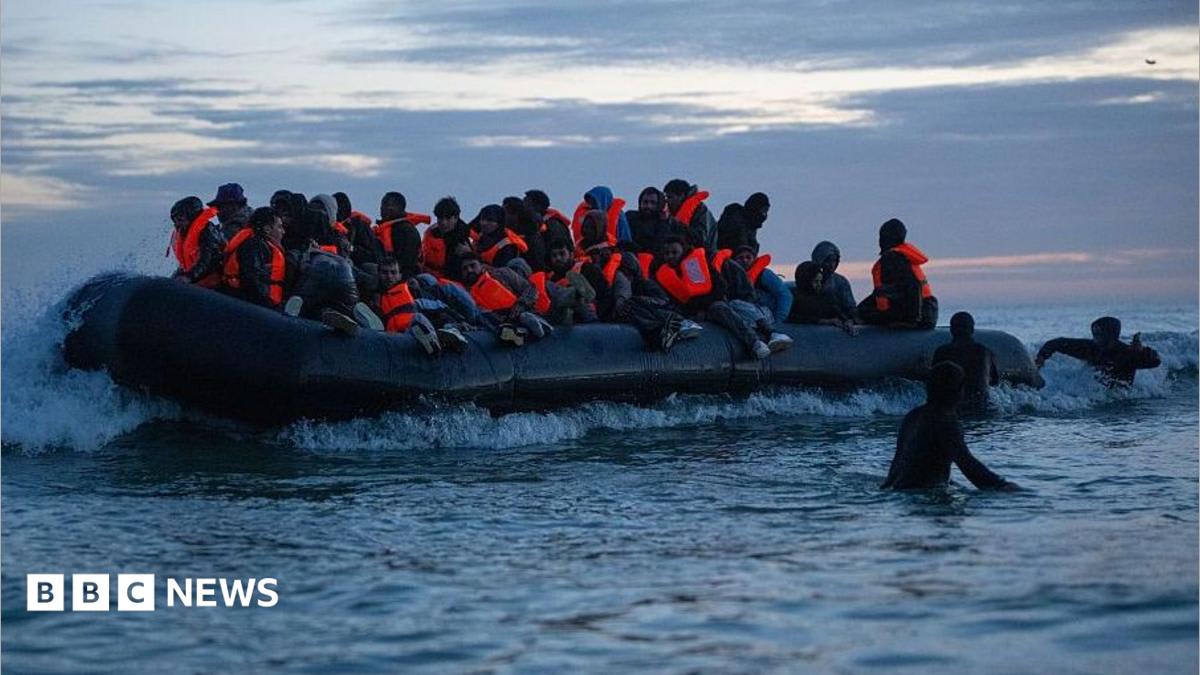
The UK government has scrapped its 'one in, one out' pilot scheme for migrant returns with France. The program, which saw only 1,500 removals in a year, failed to reach the scale needed to effectively manage cross-Channel arrivals.
The End of the 'One In, One Out' Migrant Scheme
The UK government has officially terminated its "one in, one out" pilot agreement with France, a policy designed to manage the flow of small boat arrivals crossing the English Channel. This reciprocal arrangement allowed the UK to return certain migrants to France while simultaneously accepting an equal number of individuals from France who possessed legitimate asylum claims in Britain. The abrupt end to this pilot marks a significant shift in the UK’s border management strategy.
Limitations of the Pilot Program
Despite its ambitious goals, the program saw limited success during its year-long operation. Official data indicates that only 1,500 people were removed to France under the terms of the agreement. While the UK government initially intended for the scheme to continue, the realization that it failed to reach the necessary scale to deter crossings or significantly reduce the backlog of asylum seekers ultimately rendered it unsustainable.
A Shift in Strategic Focus
Government officials have acknowledged the shortcomings of the pilot but have indicated that it provided valuable insights. A spokesperson for the Home Office stated that the administration intends to apply "lessons learned" to refine future policies. The goal remains to "accelerate efforts" to return small boat migrants who have no legal right to remain in the UK, suggesting that the government is moving away from reciprocal quotas toward more unilateral or alternative bilateral enforcement measures.
Broader Implications for Migration Policy
The termination of this scheme highlights the ongoing complexities of the UK-France relationship regarding maritime border security. Managing the Channel remains a high-stakes political issue, and the failure of this pilot underscores the difficulty of balancing international humanitarian obligations with domestic pressure to reduce irregular migration. By moving away from this specific exchange mechanism, the UK government faces the challenge of establishing new diplomatic frameworks to address the root causes of small boat crossings.
Future Trends and Outlook
Moving forward, the focus will likely shift toward more robust enforcement and potentially different cooperation models with European counterparts. The government's emphasis on accelerating returns suggests a more aggressive approach to processing those who lack a legal basis for asylum. As the UK recalibrates its migration policy, the ability to effectively return individuals while maintaining diplomatic ties with France will remain a critical metric for success in the government's broader strategy to secure the nation's borders.