AAP Government Faces Fire After Court Halts Punjab Civil Services Recruitment
Source Entity
NDTV News Search Records Found 1000
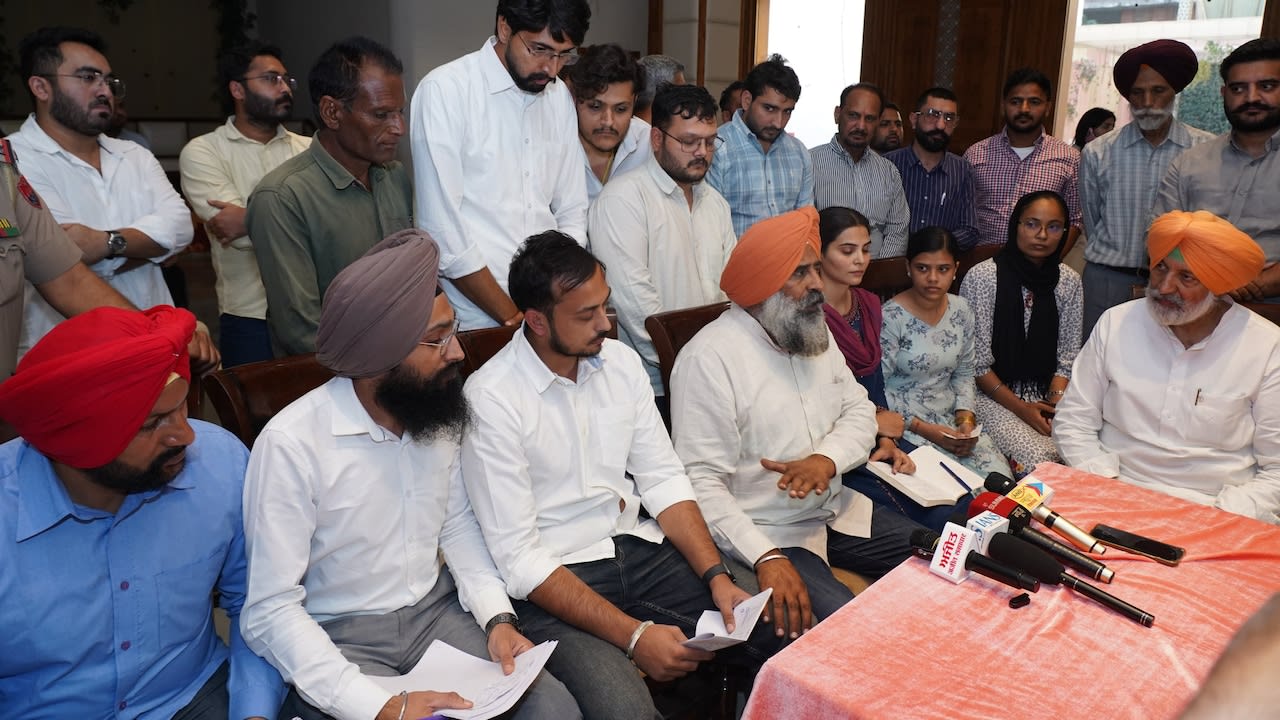
The Punjab and Haryana High Court has halted the Punjab Civil Services (PCS) recruitment process following significant controversy. Punjab Congress chief Pargat Singh has publicly aligned with the disgruntled aspirants, criticizing the AAP government's handling of the selection process.
The PCS Recruitment Crisis: An Overview
The administrative landscape in Punjab has been thrown into turmoil following a judicial intervention by the Punjab and Haryana High Court, which has effectively halted the ongoing Punjab Civil Services (PCS) recruitment process. This development comes amidst mounting pressure on the Aam Aadmi Party (AAP) government, which has faced sustained criticism regarding the transparency and integrity of its state-level hiring procedures. The court's decision underscores deep-seated concerns regarding the fairness of the examination and selection protocols currently in place.
The Role of Political Opposition
Punjab Congress chief Pargat Singh has emerged as a central figure in this unfolding drama, having been spotted standing in solidarity with a group of PCS aspirants. By championing the cause of these candidates, Pargat Singh has effectively turned a procedural grievance into a significant political liability for the ruling AAP government. His involvement suggests that the recruitment controversy is being leveraged as a broader critique of the state government’s governance standards and its commitment to meritocracy.
Judicial Intervention and Administrative Accountability
When a High Court halts a recruitment process, it typically indicates that the judiciary has identified potential prima facie irregularities in the recruitment rules or their implementation. For the PCS—the gateway to the state’s elite administrative bureaucracy—any delay causes a ripple effect, potentially leading to a shortage of civil servants at critical administrative levels. This judicial pause signals a lack of confidence in the current recruitment framework, forcing the state government to justify its methodology under legal scrutiny.
Broader Implications for Governance
This crisis is emblematic of a larger struggle between political mandates and administrative fairness in Indian state politics. The AAP government, which campaigned heavily on the promise of systemic change and transparent hiring, now faces the challenge of reconciling its political narrative with the reality of legal setbacks. If the government fails to rectify these issues, it risks alienating the youth vote, a demographic that is particularly sensitive to perceived corruption or incompetence in public sector hiring.
Historical Context and Future Trends
Historically, PCS recruitment in various Indian states has often been a flashpoint for litigation, with candidates frequently challenging results based on syllabus changes, reservation policies, or alleged leaks. The intervention by the High Court serves as a check-and-balance mechanism that protects the rights of aspirants who invest years preparing for these competitive exams. Looking forward, the government will likely need to overhaul its recruitment board's transparency protocols to prevent future litigation, as the current environment of distrust could lead to prolonged administrative vacancies and decreased morale among prospective applicants.
Conclusion
The halting of the PCS recruitment serves as a critical juncture for the AAP administration in Punjab. As the legal battle unfolds, the government must prioritize transparency to restore faith in the system. The alliance between opposition leaders like Pargat Singh and the student aspirants highlights the urgency of the situation, ensuring that this issue will remain at the forefront of the state's political discourse until a fair resolution is reached.
Verification Required?