Rumours of ghost & ‘missing girls’ spark night-long protest at university in Punjab
Source Entity
BHARAT KHANNA
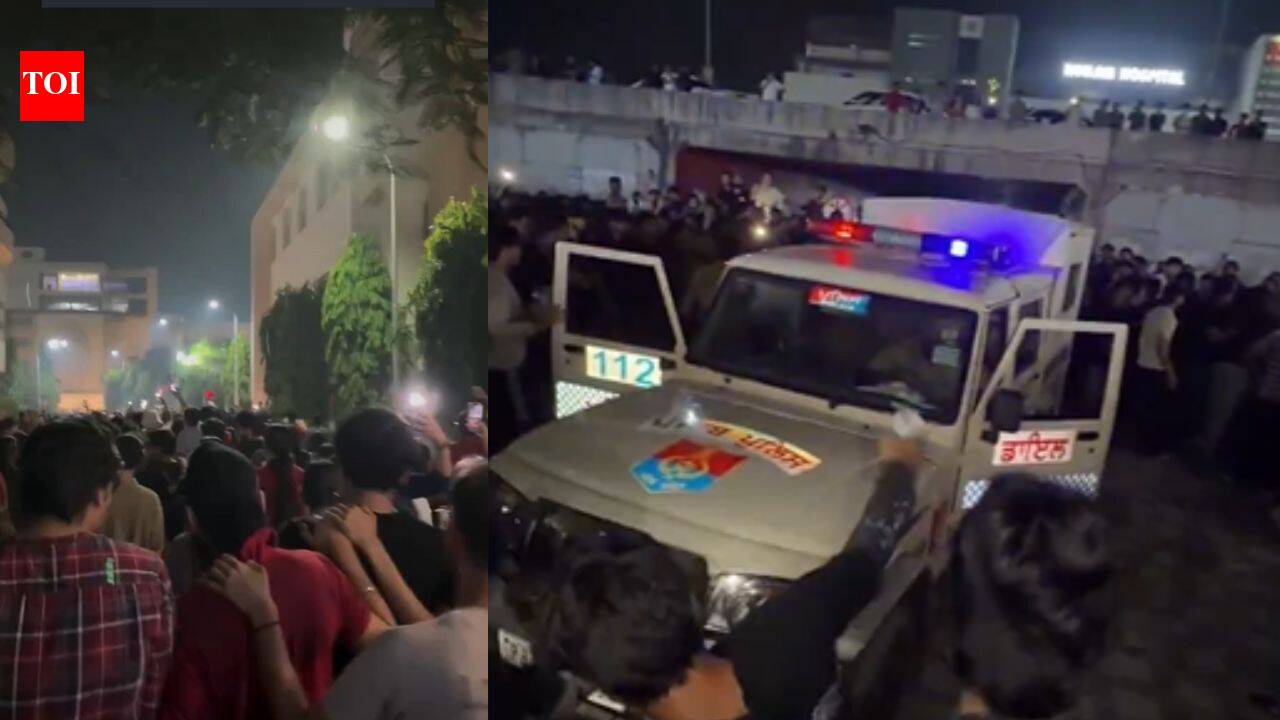
Two separate private universities in Punjab faced violent student protests fueled by unverified social media rumors. Authorities confirmed that claims of missing students, suicides, and sexual assault were entirely unfounded.
The Peril of Viral Misinformation in Academic Spaces
Recent events in Punjab have highlighted the volatile intersection of social media influence and campus security. Two major private institutions—Chitkara University in Rajpura and Lovely Professional University (LPU) near Phagwara—witnessed intense, night-long protests that escalated into violence, property damage, and the obstruction of major national highways. These demonstrations were not rooted in verified grievances but were instead ignited by the rapid, unchecked spread of rumors regarding student safety.
Anatomy of the Chitkara University Incident
At Chitkara University, the unrest was triggered by a combination of a student prank and subsequent ghost stories. These rumors eventually morphed into false claims regarding the disappearance of female students and an alleged suicide. The snowball effect of these fabrications created a climate of fear among the student body, leading to a confrontation with law enforcement that resulted in the vandalism of police vehicles and campus property. Local authorities, including the Banur SHO, confirmed that no students were missing and no suicides had occurred, underscoring the fragility of campus stability when digital rumors go viral.
The Escalation at Lovely Professional University
Following the events at Chitkara, a separate incident at Lovely Professional University (LPU) saw students block the Jalandhar-Phagwara National Highway. This protest was spurred by an unverified social media report alleging the rape of a female student by an outsider. The situation quickly turned destructive, with videos showing students damaging campus infrastructure, including window panes and flower pots, and setting objects on fire. Despite the intensity of the protests, the Kapurthala SSP confirmed that police found no evidence of such a crime, labeling the claims as entirely unfounded.
The Role of Social Media in Mob Psychology
These incidents serve as a stark case study in how digital platforms can act as force multipliers for mass hysteria. In both instances, the speed at which unverified information traveled through student networks outpaced the institutional ability to provide clarification. The psychological phenomenon of 'mob mentality' was clearly visible, as students from various hostels joined the fray without immediate verification of the underlying facts. This suggests a significant gap in crisis communication protocols within private universities when faced with rapid-fire social media misinformation.
Broader Implications and Institutional Security
The aftermath of these protests leaves both institutions and the state government grappling with the cost of misinformation. Beyond the physical damage to property and the disruption of national logistics via highway blockades, these events have created a climate of anxiety for parents and stakeholders. The focus for university administrations must now shift toward establishing robust, real-time communication channels that can debunk rumors before they reach a critical mass. Furthermore, law enforcement agencies are currently investigating the sources of these rumors to determine if they were malicious attempts to disrupt campus harmony.
Future Trends and Preventive Measures
Looking forward, the trend of 'rumor-led' unrest poses a unique challenge for private education providers. As students become increasingly reliant on social media for news, universities may need to invest in digital literacy programs and crisis management strategies that prioritize transparency. While academic activities have been reported as unaffected, the psychological toll and the potential for future copycat protests remain high. Moving forward, the collaboration between campus security and local police will be essential to ensure that social media narratives do not override the factual reality of student safety.