On Putin's agenda, sale of 5th-generation jets to India
Source Entity
SURENDRA SINGH
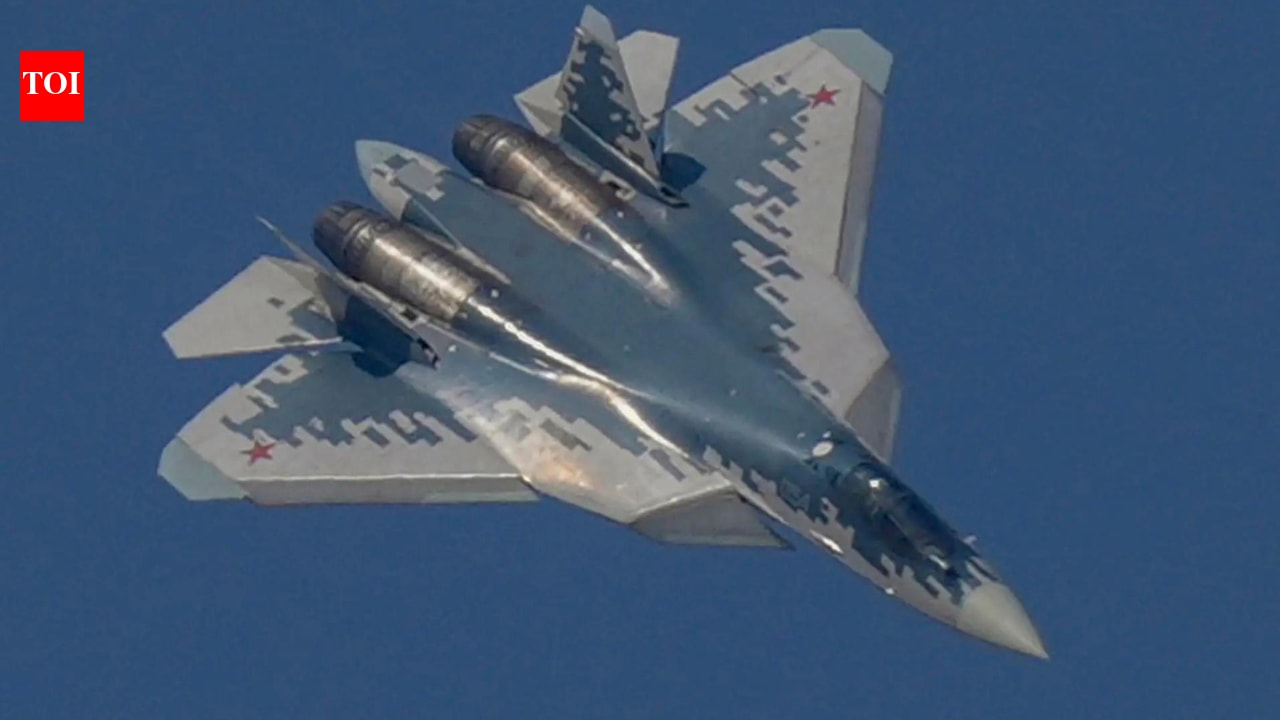
Prime Minister Narendra Modi and President Vladimir Putin are set to meet in New Delhi ahead of the upcoming BRICS summit. The agenda includes discussions on advanced defense technology, specifically the Su-57 fighter jets, and strengthening economic ties through national currency settlements.
Strategic Alignment: The Modi-Putin Pre-BRICS Summit
As India prepares to host the BRICS summit on September 12-13 at the Bharat Mandapam in New Delhi, the diplomatic focus has intensified on the bilateral meeting between Prime Minister Narendra Modi and Russian President Vladimir Putin. This meeting, scheduled for the Friday preceding the summit, highlights the enduring and pragmatic nature of the India-Russia relationship, a partnership that has remained resilient despite the shifting currents of global geopolitics.
Economic Integration and De-dollarization
Kremlin spokesperson Dmitry Peskov’s recent statements emphasize a significant shift in financial operations within the bloc, noting that Russia now conducts 90 percent of its payments with BRICS members using national currencies. This move toward de-dollarization is a cornerstone of the group's effort to insulate its economies from external sanctions and volatile global financial systems. By bolstering these non-dollar payment mechanisms, India and Russia are effectively setting a template for broader "Global South" cooperation.
Defense Cooperation and the Su-57 Agenda
Beyond economics, the bilateral agenda is heavily weighted toward high-stakes defense procurement. Moscow is actively lobbying to sell its fifth-generation Su-57 stealth fighter jets to India. Kremlin officials have explicitly stated that these sophisticated machines are a priority for President Putin’s discussions. While the sale of the aircraft itself is a major talking point, the underlying friction—and opportunity—lies in the potential transfer of production technology, a topic that remains subject to intense, ongoing negotiations between Indian and Russian scientists.
India’s Role in Global Governance
Hosting the summit at the Bharat Mandapam serves as a symbolic continuation of India’s diplomatic success during the 2023 G20 summit. By leveraging the momentum gained from the inclusion of the African Union in the G20, India aims to position itself as a bridge between Western-led international orders and the emerging powers of the Global South. The BRICS platform provides New Delhi with a unique opportunity to push for structural reforms in global governance, security architectures, and international financial institutions.
Navigating Complex Geopolitical Realities
India’s hosting of the summit represents a masterclass in "strategic autonomy." As New Delhi navigates its complex, multifaceted relationships with the United States, China, and Russia, the BRICS summit acts as a venue for balancing these competing interests. The summit is not merely a meeting of leaders but a strategic exercise in maintaining influence across diverse geopolitical blocs, ensuring that India’s national interests remain protected amidst an increasingly polarized international environment.
Future Outlook and Implications
Looking ahead, the outcomes of the Modi-Putin meeting will likely define the trajectory of India-Russia defense ties for the coming decade. If the discussions regarding Su-57 technology transfer yield a positive framework, it could significantly alter the regional military balance. Simultaneously, the success of the BRICS summit will be measured by how effectively the bloc can transition from a flexible forum for policy discussion into a more cohesive entity capable of exerting meaningful influence on the global stage.
Multiple Citing Sources