Watch: What we do and don't know about the RAF Fairford incident
Source Entity
BBC News
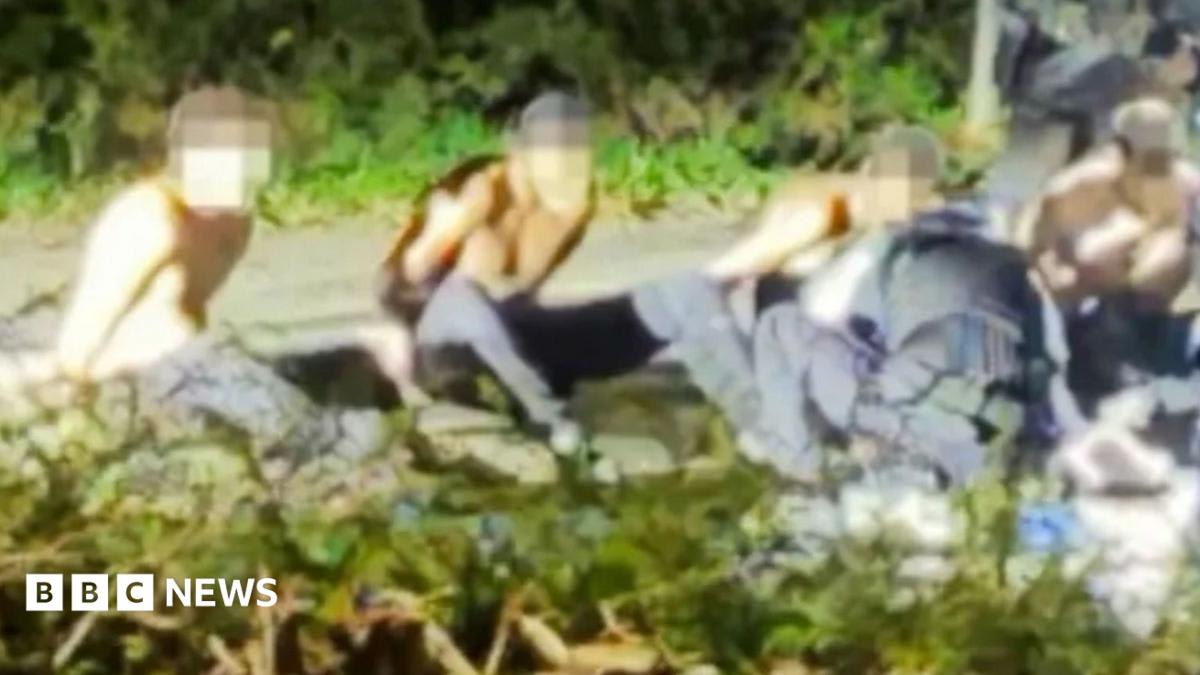
Five UK nationals arrested near RAF Fairford on suspicion of terror offences have been bailed after no explosives were found. US Secretary of State Marco Rubio has linked the incident to foreign actors, specifically Iran, which has denied any involvement.
The RAF Fairford Security Incident: An Investigation in Flux
The recent security alert at RAF Fairford in Gloucestershire has sparked significant international concern following the arrest of five UK nationals in their 20s. The incident, which occurred in the early hours of Sunday, prompted a major police response in the village of Whelford, situated adjacent to the military base. While initial reports and high-level political rhetoric suggested a major terror plot, the investigation has since taken a more complex turn, moving from an immediate "suspected bomb plot" narrative to a stage involving police bail and ongoing forensic analysis.
The Shift from Explosives to Accelerants
Initial reports of a potential explosive threat led to the evacuation of dozens of homes near the airbase, which is frequently used by the United States Air Force. However, counter-terrorism detectives have clarified that while three vans were seized, no actual explosives were discovered. Instead, investigators found petrol, which authorities have described as an "accelerant." This crucial development has fundamentally altered the trajectory of the investigation, as authorities now work to determine the intent behind the presence of these individuals and the materials they were carrying near a sensitive military site.
Geopolitical Implications and Foreign Actors
The incident has drawn significant attention from the highest levels of the US government. Secretary of State Marco Rubio has publicly stated that the event "clearly involves the hand of a foreign actor," specifically citing Iran as an example of entities that have threatened American interests globally. This assertion has heightened the profile of the investigation, framing it not just as a local criminal matter but as a potential front in broader international geopolitical tensions. Iran, for its part, has vehemently denied any involvement in the incident.
Political Rhetoric and Public Perception
There is a notable disconnect between the initial public perception—fueled by reports of a "suspected bomb plot" and dramatic imagery of handcuffed suspects—and the subsequent legal status of the men involved. President Donald Trump has asserted that the individuals intended to cause "big damage," yet the fact that the suspects have been bailed suggests that the evidentiary threshold for more severe charges has not yet been met. This discrepancy highlights the challenges law enforcement faces when balancing public safety, transparency, and the integrity of a complex, ongoing investigation.
The Path Forward for Investigators
As the investigation enters a more technical phase, detectives are faced with the task of determining whether the suspects were acting as independent actors or if they were indeed linked to the foreign influence suggested by US officials. The focus will now shift to digital forensics, intelligence gathering, and the analysis of the materials found in the vehicles. Future trends in this case will likely depend on whether prosecutors can link the "accelerants" to a specific, actionable plan, or if the case remains a matter of suspicious activity near a critical military installation.
Conclusion
In summary, the RAF Fairford incident serves as a stark reminder of the vulnerability of military infrastructure to perceived threats. While the immediate danger to the public has been mitigated through police action, the broader implications regarding foreign interference and international security remain unresolved. As the legal process continues, the international community will be watching closely to see if the rhetoric regarding foreign actors is supported by concrete evidence uncovered during the investigation.