Asked Why Not Boycott Polls If 'Rigged', Rahul Gandhi Offers "Some Nuance" And A 2014 Claim
Source Entity
NDTV News Search Records Found 1000
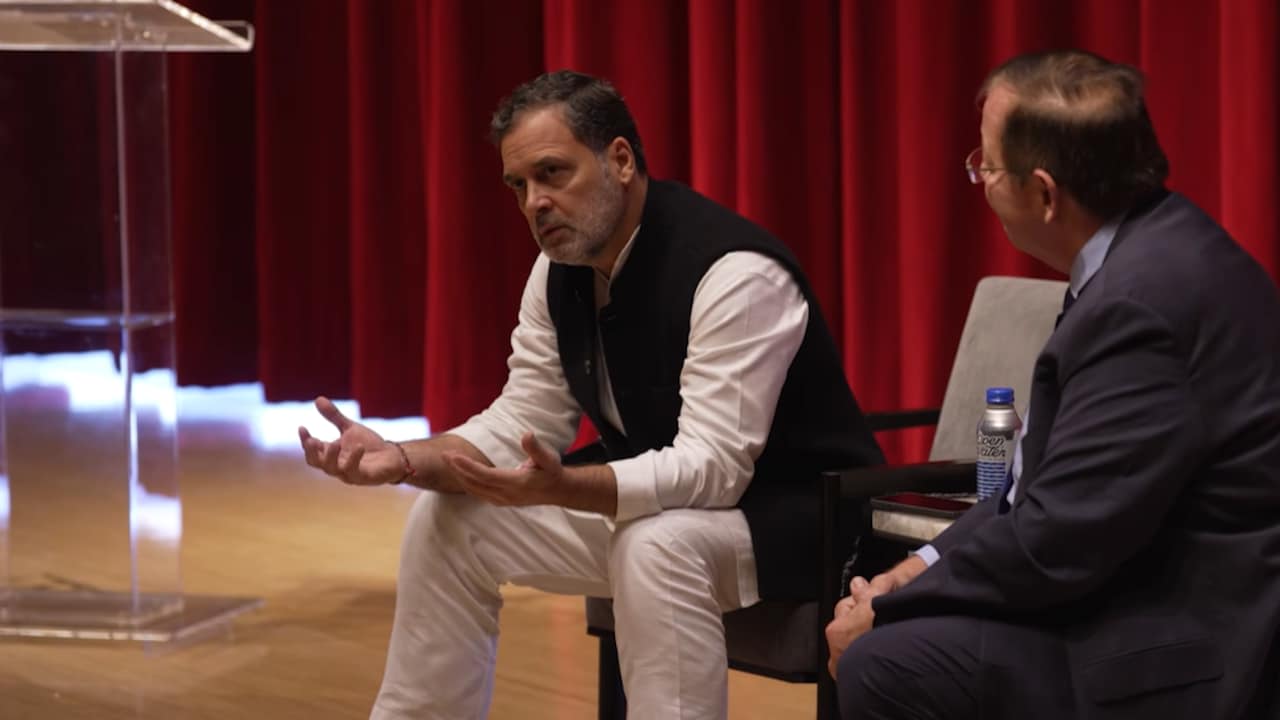
Rahul Gandhi, speaking at the University of Chicago, rejected calls to boycott Indian elections despite expressing deep concerns over democratic decline. He emphasized that the Congress party remains committed to the electoral process to expose systemic issues.
Rahul Gandhi’s Stance on Indian Democracy: An Analysis of the Chicago Address
The Dilemma of Participation vs. Protest
During his recent visit to the University of Chicago, Leader of the Opposition Rahul Gandhi addressed a central question regarding the viability of India’s electoral process. When confronted with the suggestion of boycotting polls as a form of protest against alleged rigging, Gandhi offered a firm rejection. He argued that the act of boycotting would effectively signify the end of Indian democracy, asserting that the opposition must remain engaged in the electoral battlefield regardless of the structural challenges they face.
Defining the 'Sacred' Nature of Democratic Institutions
Gandhi characterized the Indian democratic framework as "sacred," noting that he approaches criticism of the system with extreme caution. By stating that he requires significant evidence before declaring the system compromised, he frames his critique not as a reactionary stance, but as a calculated assessment of institutional integrity. His comments underscore a belief that the opposition’s primary duty is to remain within the constitutional fold to prevent the total erosion of democratic norms.
Confronting Systemic Challenges and Economic Realities
Beyond the mechanics of voting, Gandhi highlighted several critical pillars of concern within the Indian state. He explicitly pointed to the Election Commission, suggesting that the institution is grappling with escalating issues that threaten its neutrality. Furthermore, he linked these political concerns to broader socio-economic crises, specifically citing high unemployment rates and significant deficits in the national education system as evidence of systemic failure.
The Strategy of 'Taking the Beating'
Perhaps the most striking element of his address was the articulation of a long-term strategy: to "expose what is going on and take the beating." This indicates that the Congress party has accepted the possibility of repeated electoral defeats as a necessary sacrifice. The goal is to force a public realization regarding the state of Indian governance, banking on the idea that persistent engagement will eventually compel the electorate to recognize that the democratic system is being dismantled.
Historical Context and Future Implications
Gandhi’s reliance on historical claims, including references to 2014, serves to contextualize his argument that the current challenges are not overnight developments but trends that have matured over a decade. His visit to the U.S. acts as a platform to project these domestic concerns onto an international stage, inviting academic scrutiny from institutions like the University of Chicago. This strategy suggests that the opposition is shifting toward a model of international advocacy combined with domestic persistence to keep the conversation about democratic health at the forefront of national discourse.
Conclusion
In summary, Rahul Gandhi’s message from Chicago is one of pragmatic resilience. By choosing participation over boycott, he seeks to maintain the opposition’s legitimacy while simultaneously acting as a watchdog for democratic erosion. Whether this strategy will lead to a reversal of the trends he describes remains to be seen, but it marks a definitive commitment to operating within the system to save it from itself.
Verification Required?