How Silicon Valley lost the public, with Crooked Media’s Jon Favreau
Source Entity
Nilay Patel
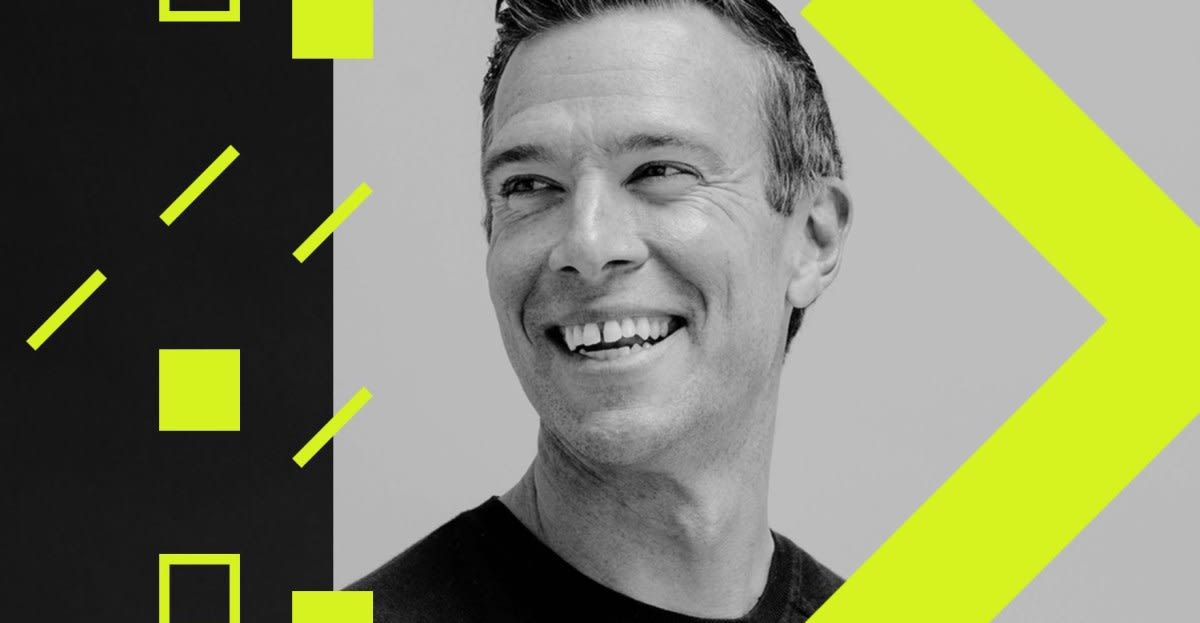
Jon Favreau of Crooked Media discusses the shifting landscape of political influence in the age of tech-billionaire-controlled platforms. The conversation examines the success of independent liberal media in the context of recent electoral outcomes and the ideological pivot of Silicon Valley leaders.
The Intersection of Independent Media and Silicon Valley Influence
In a recent discourse, Jon Favreau, the co-founder of Crooked Media and a central figure behind the influential podcast Pod Save America, addressed the evolving relationship between the public, the technology sector, and political discourse. Founded by former Obama administration staffers following the 2016 election, Crooked Media has carved out a significant space as a powerhouse of independent liberal media. Favreau’s perspective provides a unique vantage point on how political movements navigate a media landscape that is increasingly dominated by individual tech moguls.
The Rise of Independent Liberal Media
Since its inception, Pod Save America has mirrored the changing habits of American media consumption, moving away from traditional gatekeepers toward direct-to-audience platforms like podcasting. This shift allowed Favreau and his colleagues to build a loyal community that values ideological consistency and long-form analysis. The success of this model illustrates a broader trend: the fragmentation of media has enabled niche, partisan-aligned voices to achieve massive scale, effectively bypassing the constraints of mainstream news organizations.
Tech Billionaires and the Information Ecosystem
A critical component of the current political analysis involves the ideological shift observed among Silicon Valley leaders. The acquisition of major platforms, most notably Elon Musk’s purchase of Twitter, has fundamentally altered the information ecosystem. Favreau’s analysis posits that as these billionaires lean toward the right, they exert a disproportionate influence over the digital town square, raising fundamental questions about the future of political discourse on platforms that were previously considered neutral conduits for public debate.
Analyzing the Midterm Results
The conversation specifically pivots to the results of the recent midterm elections, questioning how Democrats managed to maintain momentum in an environment where tech-heavy influence appeared to be shifting in favor of conservative narratives. Favreau suggests that the disconnect between the political agendas of tech elites and the broader electorate may be wider than previously assumed. This discrepancy highlights a potential limit to the power of social media ownership in swaying voter behavior when underlying policy concerns remain the primary driver of electoral outcomes.
Future Trends in Digital Democracy
Looking forward, the tension between independent media voices and corporate-controlled digital platforms is set to intensify. If high-profile tech figures continue to leverage their platforms for political advocacy, the public may continue to migrate toward independent, trusted networks like Crooked Media. This trend suggests that the future of political persuasion will be defined by the battle for audience trust rather than the mere ownership of distribution infrastructure.
Conclusion: The Shifting Political Landscape
Ultimately, Jon Favreau’s insights underscore that the digital information ecosystem is in a state of flux. While tech billionaires may control the pipes through which information flows, they do not necessarily dictate the political leanings of the populace. As the public becomes more attuned to the biases of platform owners, the role of independent, mission-driven media outlets becomes increasingly vital in maintaining a diverse and robust democratic debate.