Pure theatrics, Congress leadership at fault for its losses, says BJP
Source Entity
The Indian Express
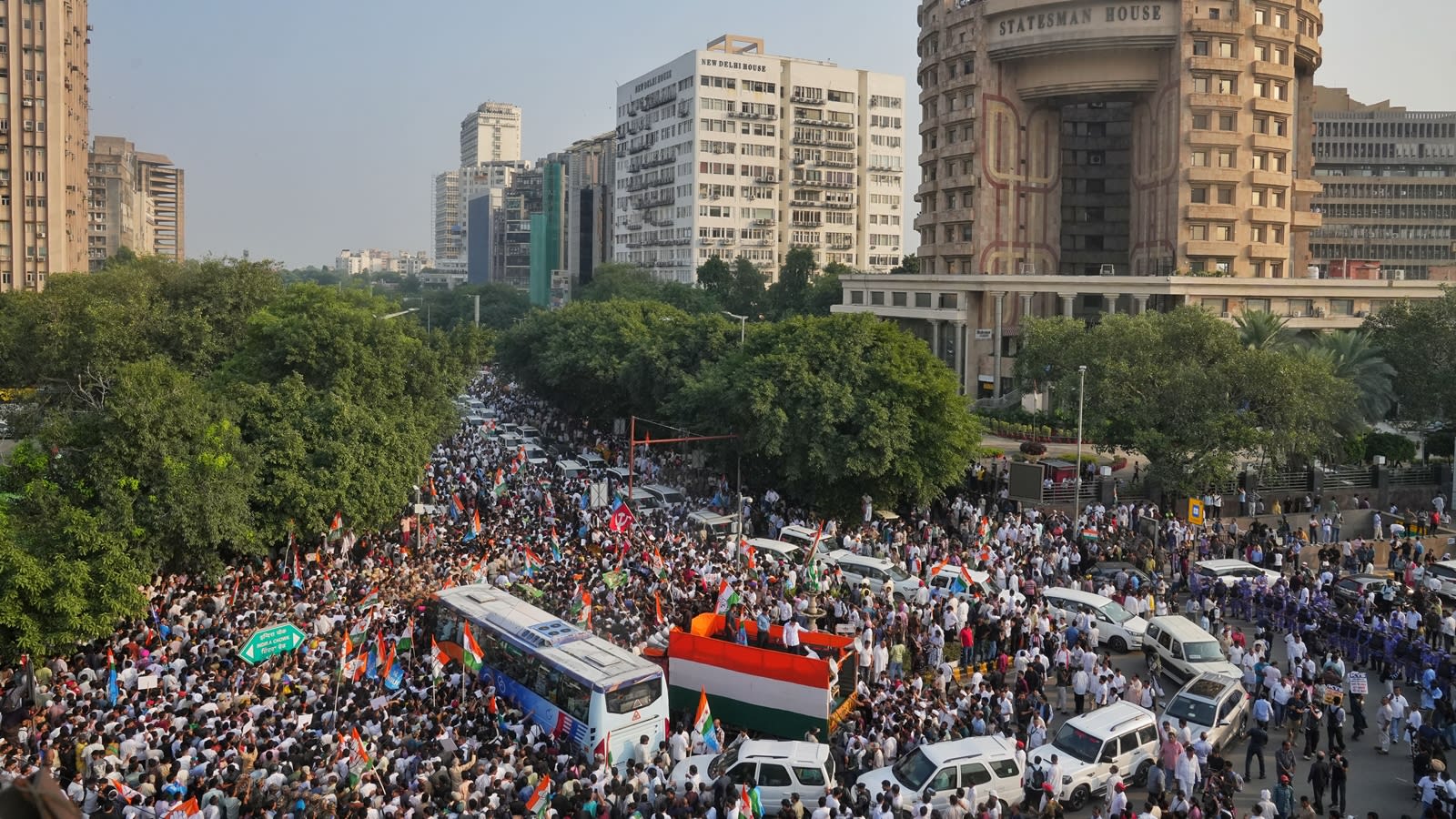
Rahul Gandhi has demanded the resignation of CEC Gyanesh Kumar, accusing him of complicity in alleged voter fraud under pressure from top government officials. The Leader of Opposition claims that protests against the Election Commission are part of a unified movement against the current administration.
The Growing Confrontation Over Election Integrity
Leader of the Opposition Rahul Gandhi has launched a pointed assault on the Election Commission of India, specifically targeting Chief Election Commissioner (CEC) Gyanesh Kumar. In recent press conferences, Gandhi has characterized the current state of the capital as a "fortress," alleging that authorities are systematically preventing citizens from reaching Delhi to participate in planned protests. By questioning why the national capital has been effectively placed under lockdown, Gandhi is framing the current political climate as a suppression of democratic rights.
Allegations of Complicity and the 'Approver' Narrative
A significant portion of Gandhi's rhetoric focuses on the role of CEC Gyanesh Kumar. Gandhi has made the startling claim that he is in regular contact with the Commissioner, even suggesting that Kumar is struggling with the moral burden of his position. Gandhi has urged Kumar to turn "approver," implying that the CEC should confess to alleged irregularities in the electoral process and testify against the political leadership he claims is orchestrating these actions. This strategy aims to shift the narrative from institutional oversight to individual culpability.
A Unified Front Against the Administration
Gandhi has clarified that the diverse protests occurring across the country are not parallel or disconnected events but rather a single, unified campaign aimed at the removal of Gyanesh Kumar. By linking the demand for the CEC’s resignation to broader grievances against Prime Minister Narendra Modi, Union Home Minister Amit Shah, and National Security Advisor Ajit Doval, the Leader of Opposition is attempting to consolidate disparate opposition voices into a cohesive movement. He asserts that the current agitation is not merely an administrative complaint but a foundational challenge to the government's integrity.
The Institutional Implications
The demand for a high-ranking constitutional official's resignation by the leader of the primary opposition party marks a significant escalation in the tensions between the ruling coalition and the INDIA bloc. Such rhetoric places immense pressure on the Election Commission, an institution traditionally viewed as the impartial arbiter of Indian democracy. The suggestion that top government officials are exerting undue influence over the election process threatens to erode public trust in the electoral machinery, a cornerstone of the nation’s democratic stability.
Future Trends and Political Fallout
As the Congress and its allies prepare for further marches and demonstrations, the focus on Gyanesh Kumar suggests a long-term strategy of constant agitation. By framing the CEC as a subordinate actor who is "not the mind behind the mistake," Gandhi is signaling that his ultimate targets remain the Prime Minister and the Home Minister. This approach ensures that election integrity will remain a central theme in Indian political discourse, potentially setting the stage for prolonged parliamentary stalemates and increased scrutiny of the Election Commission's operational independence in future electoral cycles.
Multiple Citing Sources