Rahul Gandhi’s remarks have revived an old debate on Israel
Source Entity
Nicolas Blarel, Sumit Ganguly
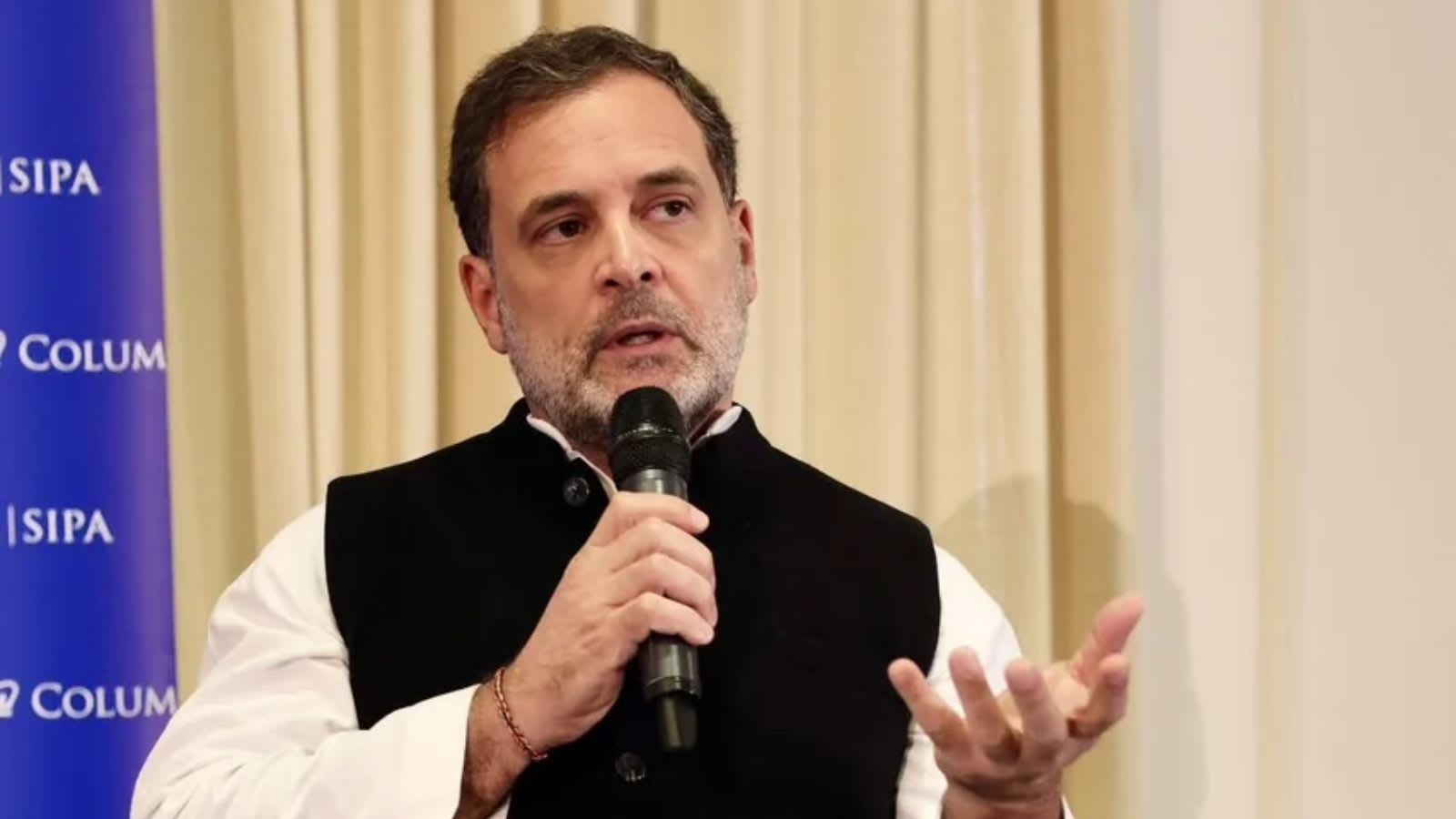
Rahul Gandhi's recent remarks at the University of Chicago reflect a nuanced stance on India-Israel relations, balancing condemnation of violence with support for strategic cooperation. This approach highlights the ongoing debate within India regarding its foreign policy legacy and alignment with Israel.
The Evolving Discourse on India-Israel Relations
Rahul Gandhi’s recent engagement with students and faculty at the University of Chicago has reignited a complex national debate regarding India's diplomatic posture toward Israel. By explicitly condemning the October 7 terror attacks while simultaneously criticizing Israel's subsequent military actions in Gaza, Gandhi attempted to navigate a middle path. Notably, he refrained from using the term 'genocide,' yet his balanced rhetoric underscored a commitment to maintaining strategic and defense cooperation between the two nations, a position that echoes his past sentiments.
Historical Continuity in Foreign Policy
Critics and analysts often view these remarks as a departure from the Congress party's traditional ideological framework; however, evidence suggests a consistent, if evolving, strategic pragmatism. During a 2023 exchange at Sciences Po in Paris, Gandhi had already acknowledged the vital strategic rationale behind the India-Israel partnership. This indicates that the current leadership within the Congress party is not pivoting toward an abrupt isolationist policy, but rather attempting to reconcile India's historical anti-imperialist legacy with the modern realities of global defense partnerships.
The Influence of Domestic Political Ideology
The backdrop for this debate is the outsized influence Israel currently holds over Indian national consciousness, particularly among supporters of the current ruling Hindu nationalist forces. For many within the Sangh Parivar, Israel represents an aspirational model of statecraft and security. This ideological alignment creates a stark contrast with the Congress party’s historical worldview, which was traditionally rooted in idealism and non-alignment. The expectation for a 'moral compass' from the opposition stems from the party’s historical role as the primary architect of India’s post-colonial foreign policy.
Challenges of Strategic Autonomy
As India navigates an increasingly polarized geopolitical landscape, the challenge for political leaders like Rahul Gandhi is to articulate a policy that survives the scrutiny of both domestic constituents and international observers. While the current government maintains a close-knit security partnership with Israel, the opposition is under pressure to define what a 'moral' foreign policy looks like in the 21st century. The reluctance of the Congress party to take a hardline stance against Israel suggests a recognition that the strategic benefits of the relationship are too significant to be discarded for purely ideological reasons.
Future Implications for Indian Diplomacy
Looking ahead, the debate surrounding these remarks suggests that India's relationship with Israel will remain a flashpoint in domestic political discourse. As the conflict in the Middle East continues to draw international legal and humanitarian scrutiny, the Congress party will likely continue to face calls to clarify its position. Whether this results in a formal shift in party platform or remains a series of nuanced individual statements will be a key indicator of how India manages its competing interests of moral advocacy and national security in the years to come.