Railway Board approves new stoppages for 5 trains: Check routes and stations
Source Entity
Anish Mondal
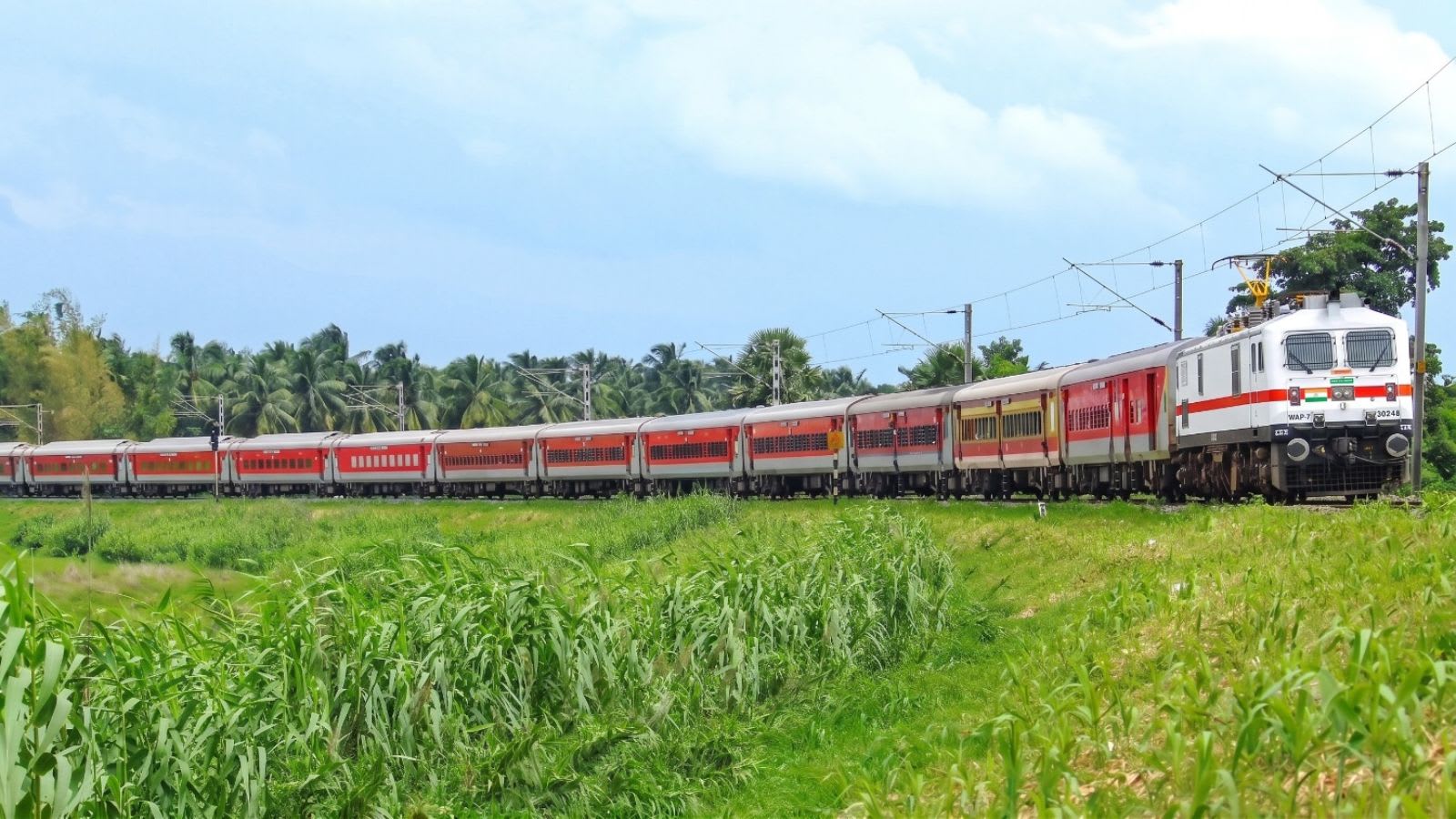
Here is the complete list of new stoppages of trains approved by the Railway Board Railway Board’s new decision: The Railway Board (RB) has approved the stoppages for five train services across Uttar...
Expansion of Railway Connectivity: Railway Board Approves New Stoppages
The Railway Board has officially sanctioned the addition of new stoppages for five specific train services, a move aimed at enhancing accessibility and connectivity across key regions, particularly within Uttar Pradesh. This administrative decision reflects a strategic effort to bridge the gap between smaller transit hubs and major urban centers, ensuring that a wider demographic of passengers can access long-distance rail services without needing to travel to larger junction stations. By optimizing these routes, the board is addressing long-standing demands for better transit options in underserved areas.
Improving Regional Accessibility and Socio-Economic Impact
The addition of these stoppages is more than a mere logistical adjustment; it is a catalyst for regional economic growth. By allowing trains to stop at previously bypassed stations, the Railway Board is effectively integrating smaller towns into the broader national transport network. This typically leads to an increase in local commerce, as traders and small-scale entrepreneurs find it easier to transport goods and reach larger markets. Furthermore, it reduces the "last-mile" struggle for commuters, lowering the overall cost and time associated with regional travel and promoting local employment opportunities.
Balancing Operational Efficiency with Passenger Demand
From an operational standpoint, adding stoppages is a delicate balancing act. Each additional stop increases the total travel time for passengers who are traveling to the final destination, potentially affecting the overall efficiency of the line. However, the Railway Board's decision suggests that the demand from the local populations at these new stops outweighs the minor delay imposed on long-distance travelers. This indicates a shift toward a more inclusive service model where regional accessibility is prioritized alongside high-speed transit, ensuring that the benefits of the rail network are distributed more equitably.
Strategic Alignment with National Infrastructure Goals
This move aligns with the broader goals of the Indian Railways to modernize and optimize its network. By analyzing passenger traffic patterns and requests from local representatives, the Board can strategically place stops where they are most needed. This data-driven approach to infrastructure management ensures that the rail network evolves in tandem with the growing urbanization of semi-rural areas, preventing the overcrowding of primary hubs by distributing passenger loads across more stations and reducing the pressure on major city terminals.
Future Trends in Rail Logistics and Connectivity
Looking forward, it is likely that the Railway Board will continue to refine train schedules based on real-time demand and regional developmental needs. We can expect a trend toward "flexible scheduling," where stoppages are periodically reviewed and adjusted to match the economic shifts of the regions they serve. The integration of more digital ticketing and real-time tracking will further empower passengers to utilize these new stoppages efficiently, making rail travel a more viable and sustainable alternative to road transport for shorter inter-city hops.
Conclusion
In summary, the approval of new stoppages for these five train services represents a significant step toward inclusive mobility. By prioritizing regional connectivity, the Railway Board is not only facilitating easier travel for thousands of passengers but also supporting the economic vitality of the affected regions. This decision underscores a commitment to a passenger-centric approach in the management of India's vast railway network, balancing the needs of long-distance travelers with the essential requirements of local communities.