Hindus should learn unity from Islam: Uttar Pradesh MLA Raja Bhaiya
Source Entity
India Latest News: Top National Headlines Today & Breaking News | The Hindu
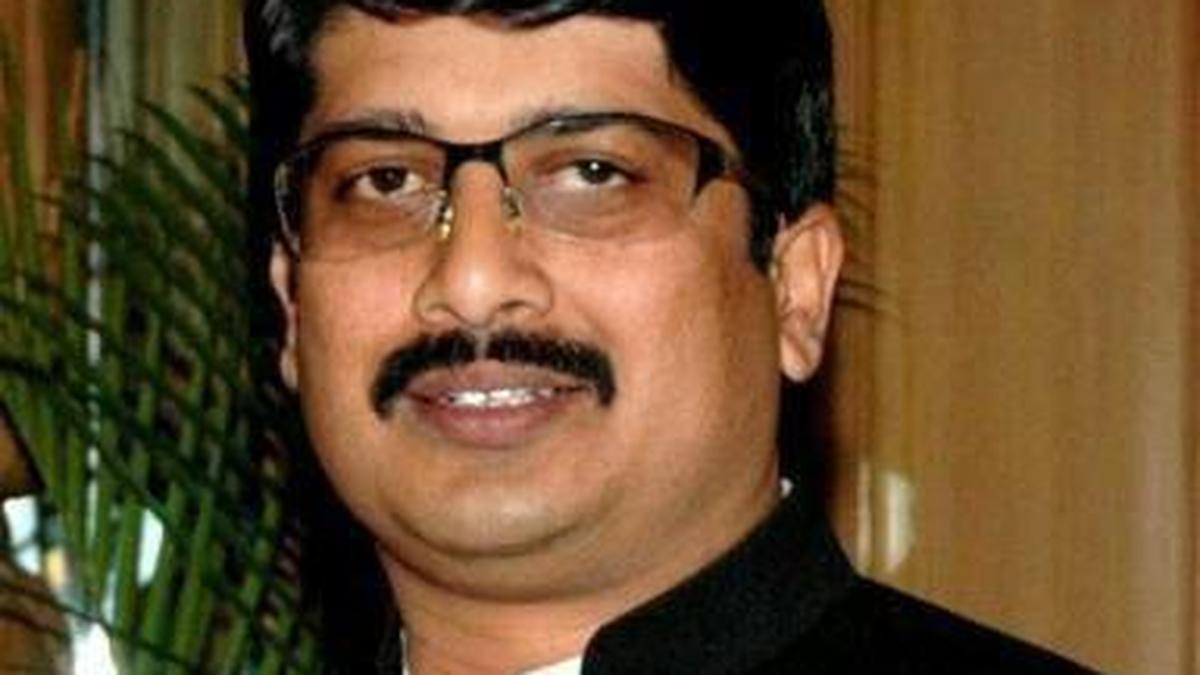
Uttar Pradesh MLA Raja Bhaiya has urged Hindus to prioritize their religious identity over political affiliations, citing the perceived unity of Muslims as a model. He criticized most political parties for allegedly discouraging Hindu consolidation.
The Call for Hindu Consolidation: An Analysis of Raja Bhaiya's Statement
Contextualizing the Rhetoric
On November 14, 2026, Uttar Pradesh legislator Kunwar Raghuraj Pratap Singh, popularly known as Raja Bhaiya, issued a public call for Hindus to adopt a model of unity similar to that which he perceives within the Muslim community. Speaking to media outlets, the Kunda Assembly representative argued that while Muslims often maintain a primary allegiance to their faith regardless of their diverse political party affiliations—ranging from the Congress to the Left—Hindus have become fragmented by partisan politics. This statement marks a significant intervention in the ongoing discourse regarding the intersection of religion and political identity in India.
The Critique of Political Fragmentation
Central to Raja Bhaiya's argument is the assertion that the majority of political parties in India actively work to prevent Hindu unity. By suggesting that Hindus have allowed themselves to be 'confined within the boundaries' of specific political ideologies, he posits that the community has sacrificed its collective strength for party loyalty. His critique implies a frustration with the current political landscape, where internal divisions are often exacerbated by parties seeking to maintain distinct vote banks, thereby diluting a unified 'Hindutva' identity.
The 'Model of Unity' Argument
By holding up the Muslim community as an example of prioritizing faith over political party allegiance, Raja Bhaiya is highlighting a perceived dichotomy in how different religious groups engage with the state. His observation that Muslims remain active participants in various political parties while maintaining Islam as their 'praathmiktaa' (priority) serves as the core of his pedagogical approach to Hindu voters. He suggests that for Hindus, the issue of 'Hindutva' should transcend the traditional party-line politics that currently dominate the Uttar Pradesh and national legislative landscape.
Broader Implications for Uttar Pradesh Politics
As the chief of the Jansatta Dal (Loktantrik), Raja Bhaiya’s rhetoric carries weight as it signals a shift toward consolidating a specific voter base. By focusing on religious identity as a unifying force, he is challenging the traditional secular-versus-communal narrative that has historically defined Uttar Pradesh politics. This approach suggests a strategy aimed at bypassing party-specific loyalties to create a more cohesive voting bloc, a move that could potentially disrupt existing power structures in the state’s regional politics.
Future Trends and Political Consolidation
Looking ahead, this call for unity reflects a broader trend of identity-based mobilization in Indian politics. As political actors increasingly emphasize cultural and religious markers, we are likely to see more emphasis on 'community-first' voting patterns. If such rhetoric gains traction, it could force political parties to recalibrate their outreach strategies to address a more identity-conscious electorate. The long-term impact of this discourse may well lead to a reorganization of political alliances, where religious identity becomes a more rigid filter through which all political decisions are viewed.
Conclusion
In summary, Raja Bhaiya’s remarks serve as both a critique of current political fragmentation and a roadmap for his vision of future Hindu social organization. By urging his constituents to view their identity as Hindus as a primary concern above political partisanship, he is advocating for a significant cultural shift. Whether this leads to a genuine consolidation of votes or simply adds to the existing political polarization, it remains a critical development in the evolving relationship between religious identity and political participation in contemporary India.
Verification Required?