Rajasthan local body polls: Clashes, bogus voting claims mark phase 1
Source Entity
Parul Kulshrestha
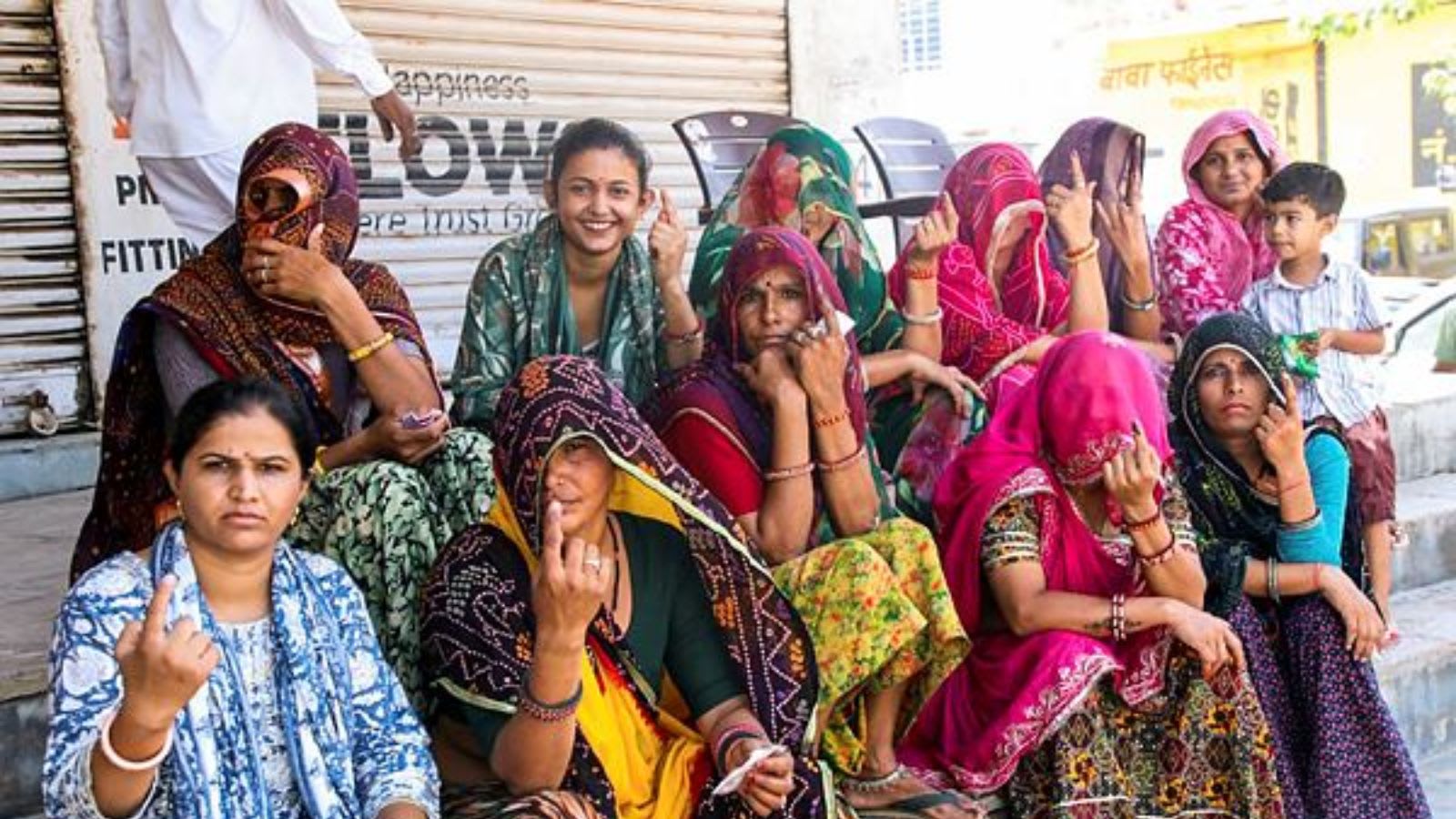
The first phase of Rajasthan's urban local body elections was marred by reports of clashes, allegations of bogus voting, and a high voter turnout. Notable incidents included an alleged assault on independent MLA Yunus Khan during the polling process.
Rajasthan Municipal Elections: A Volatile First Phase
The first phase of the urban local body elections in Rajasthan, covering 162 urban bodies, has concluded amidst a backdrop of significant electoral friction. While the day saw a robust voter turnout, with 65 percent of the over 5.7 million eligible voters participating, the democratic process was punctuated by reports of clashes, heated exchanges, and widespread allegations of bogus voting. These incidents highlight the intense political atmosphere that often characterizes grassroots-level elections in the region.
High Stakes and High Participation
Voting proceeded from 7 am to 6 pm across four municipal corporations, 27 municipal councils, and 131 municipalities. The scale of the exercise—involving millions of voters—demonstrates the deep engagement of the local populace in shaping their immediate governance. However, the high turnout also provided a platform for systemic tensions to boil over, as various political factions vied for control over local administrative bodies, which serve as the foundation for state-level political influence.
Security and Procedural Concerns
Reports of bogus voting and physical confrontations suggest significant lapses in polling station management and security oversight. Such allegations, if left unaddressed, threaten to undermine the perceived legitimacy of the electoral outcome. The presence of indelible ink on voters' fingers, while a standard anti-fraud measure, was overshadowed by claims that the integrity of the ballot was compromised by partisan actors seeking to influence results through intimidation or fraudulent registration.
The Incident at Deedwana
A particularly concerning development involved Independent MLA Yunus Khan, a former BJP member, who reported being mauled by supporters of both the Congress and the BJP at a polling booth in Ward 11 of Deedwana. This incident underscores the acute polarization present in the region, where political rivalries can escalate into physical violence. The targeting of a public representative in such a manner raises serious questions regarding the safety of candidates and voters alike during the electoral process.
Broader Political Implications
These municipal elections are not merely administrative; they serve as a bellwether for political sentiment in Rajasthan. The involvement of major parties like the Congress and the BJP, alongside influential independent candidates, creates a high-pressure environment. As thousands gathered by evening to witness the aftermath of the polling, it became clear that the results of this phase will likely lead to further political maneuvering and potential legal challenges regarding the alleged irregularities.
Conclusion
The first phase of Rajasthan’s urban local body elections has revealed a complex intersection of civic duty and political instability. While the high voter turnout is a positive indicator of democratic participation, the reports of violence and fraud must be scrutinized by election authorities to ensure that future phases of the election remain free, fair, and safe for all participants.