Building collapses to fires, 33k died in 5 years from 2020
Source Entity
DIPAK K DASH
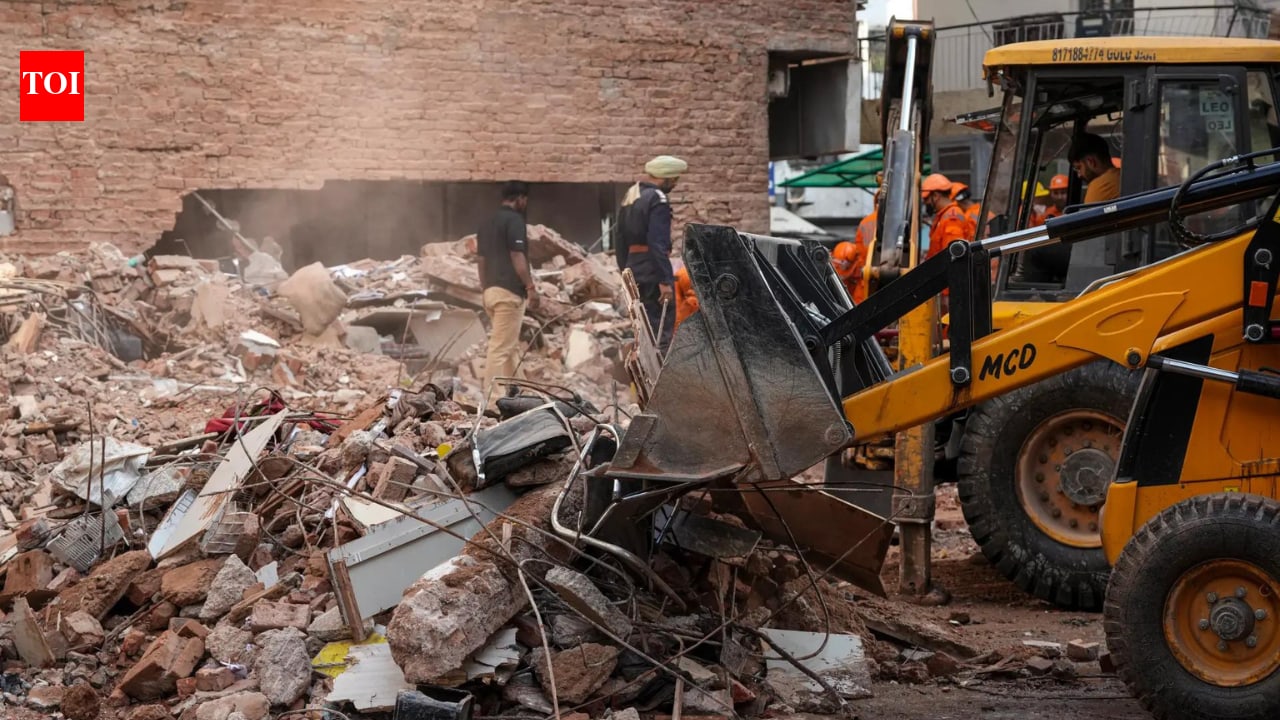
Government data reveals that nearly 33,000 people died in India between 2020 and 2024 due to building collapses, fires, and infrastructure-related accidents. The findings highlight critical failures in urban governance and the urgent need for stricter safety enforcement.
The Crisis of Urban Safety in India: A Five-Year Review
Recent government data has unveiled a harrowing reality regarding public safety within India’s rapidly expanding urban centers. Between 2020 and 2024, approximately 33,000 fatalities were recorded as a direct result of building collapses, fire incidents, and accidental falls into pits or open manholes. This figure serves as a sobering indictment of current municipal management and the systemic failure to prioritize human life over rapid, often unregulated, development.
Systemic Governance Failures
The concentration of these fatalities in urban areas suggests that the primary issue lies in the governance of metropolitan spaces. As cities continue to densify, the pressure on aging infrastructure and the demand for new residential and commercial units have often outpaced the regulatory capacity of local authorities. The persistence of these accidents indicates a chronic lack of enforcement regarding building codes, fire safety standards, and basic municipal maintenance.
Limitations of Current Reporting
It is essential to recognize that the figure of 33,000 is likely an underestimation of the total human cost. The current data excludes significant categories of preventable deaths, such as accidents caused by potholes on municipal roads and fatalities resulting from contaminated water supplies. By omitting these factors, the reported statistics fail to capture the full scope of the public health crisis stemming from poor urban planning and infrastructure neglect.
The Impact of Negligence
The intersection of fire hazards and structural instability reflects a broader trend of administrative apathy. Many building collapses are preceded by warnings of structural weakness that go unheeded, while fire safety violations—such as blocked exits or faulty electrical wiring—often remain unaddressed until a tragedy occurs. When incidents like falls into open pits or manholes are factored in, it becomes clear that basic civic safety protocols are frequently ignored during routine maintenance and construction projects.
Future Trends and Policy Implications
To reverse this trend, a fundamental shift in municipal accountability is required. Future trends indicate that unless there is a rigorous overhaul of safety inspection regimes and a commitment to transparent data collection, these figures will likely continue to climb. Experts argue that India’s urban centers must transition toward 'safety-first' governance, where municipal bodies are held legally liable for preventable infrastructure-related deaths.
Conclusion
The staggering loss of 33,000 lives over five years is not merely a statistical anomaly but a call to action for urban planners and policymakers. Addressing these gaps requires more than just reactive measures; it demands proactive enforcement of safety regulations and a comprehensive audit of existing urban infrastructure. Without systemic change, the promise of urban development will continue to be overshadowed by the preventable loss of its citizens.