Baba Ramdev's Aide Balkrishna Acquitted In 15-Year Old Forged Documents Case
Source Entity
NDTV News Search Records Found 1000
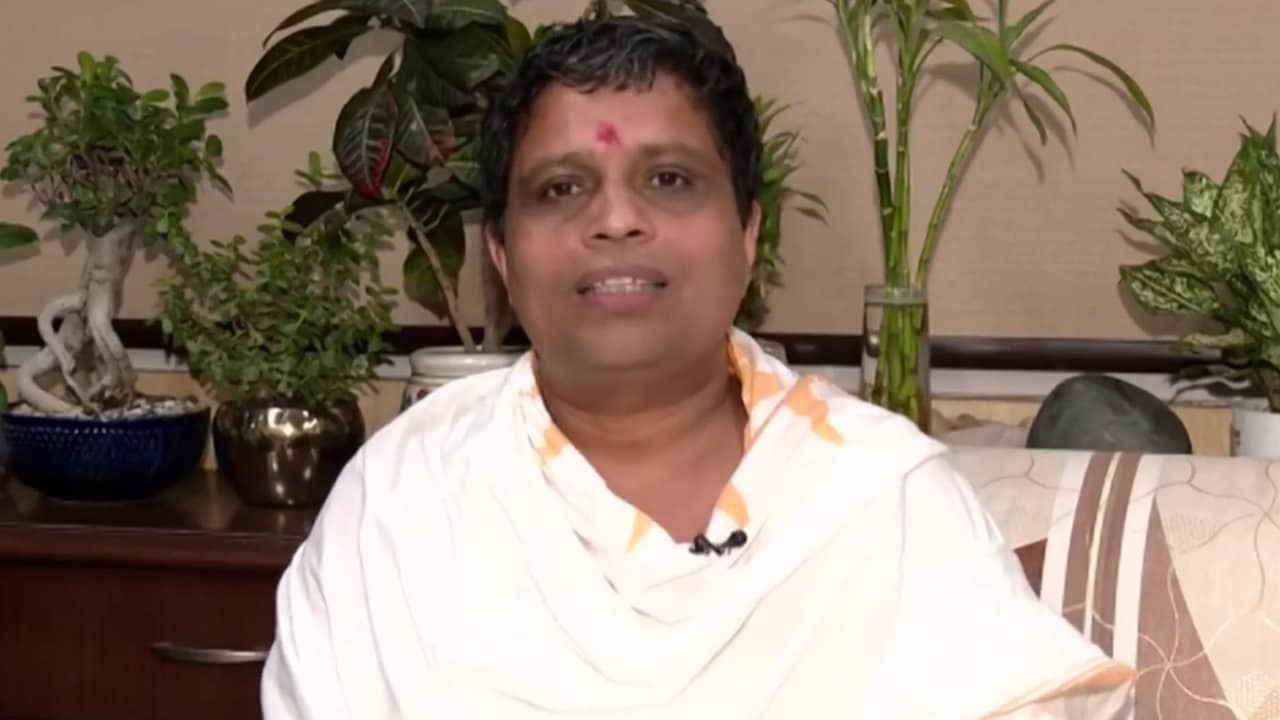
A CBI court in Dehradun has acquitted Acharya Balkrishna, a key associate of yoga guru Ramdev, in a 15-year-old passport forgery case. The court also cleared co-accused Naresh Chandra Dwivedi, ending a lengthy legal saga that began with a 2011 investigation into citizenship claims.
Legal Conclusion to a Decade-Long Dispute
On September 7, 2026, a Special Judicial Magistrate (CBI) court in Dehradun delivered a significant verdict, acquitting Acharya Balkrishna, the general secretary of Patanjali Yogpeeth and a prominent aide to yoga guru Ramdev, in a long-standing criminal case. The litigation, which spanned over 15 years, centered on serious allegations regarding the authenticity of documents used to secure an Indian passport.
Origins of the CBI Investigation
The legal scrutiny began in 2011 when the Central Bureau of Investigation (CBI) registered a formal case against Balkrishna. The investigation was initiated following allegations that he was a Nepali national who had purportedly utilized forged educational and personal documents to obtain Indian citizenship and travel documentation. This development marked a period of intense public and legal pressure on the Patanjali organization during a time of rapid expansion for its business and social influence.
The Charges and Co-Accused
Central to the prosecution's case was the involvement of Naresh Chandra Dwivedi, who was accused of facilitating the acquisition of the allegedly fraudulent documents. The court's decision to acquit both Balkrishna and Dwivedi indicates that the prosecution failed to meet the necessary burden of proof required to sustain a conviction for forgery and related offenses under the Indian legal framework. The acquittal effectively clears the two individuals of the charges that have shadowed their professional activities since the inception of the probe.
Broader Implications for Patanjali Yogpeeth
The resolution of this case serves as a major turning point for the leadership of Patanjali Yogpeeth. As a high-profile figure in the Indian wellness and consumer goods sector, Acharya Balkrishna’s legal standing has historically been a point of contention for critics of the organization. With the court finding no merit in the forgery allegations, the organization can now move past a significant reputational hurdle that has persisted since the early 2010s.
Analysis of the Judicial Process
The 15-year duration of the trial underscores the complexities involved in high-profile document forgery cases in India. The judicial process, which involved extensive investigations by the CBI, highlights the challenges of verifying historical documentation in citizenship-related disputes. The acquittal brings a formal end to the procedural uncertainty that has surrounded the case, allowing the accused to pursue their professional and personal obligations without the ongoing burden of a criminal trial.
Future Outlook
Looking forward, this verdict is likely to be viewed as a final chapter in a saga that defined a specific era of scrutiny for the Patanjali brand. By dismissing the claims, the court has provided legal closure to the matter. For the observers of Indian corporate and public life, this case remains a notable example of how long-standing legal challenges can influence the trajectory of public figures and the institutions they represent.
Verification Required?