Bihar food-poisoning horror: Girl dies in Supaul madrasa, three take ill in Bhagalpur school
Source Entity
Himanshu Harsh
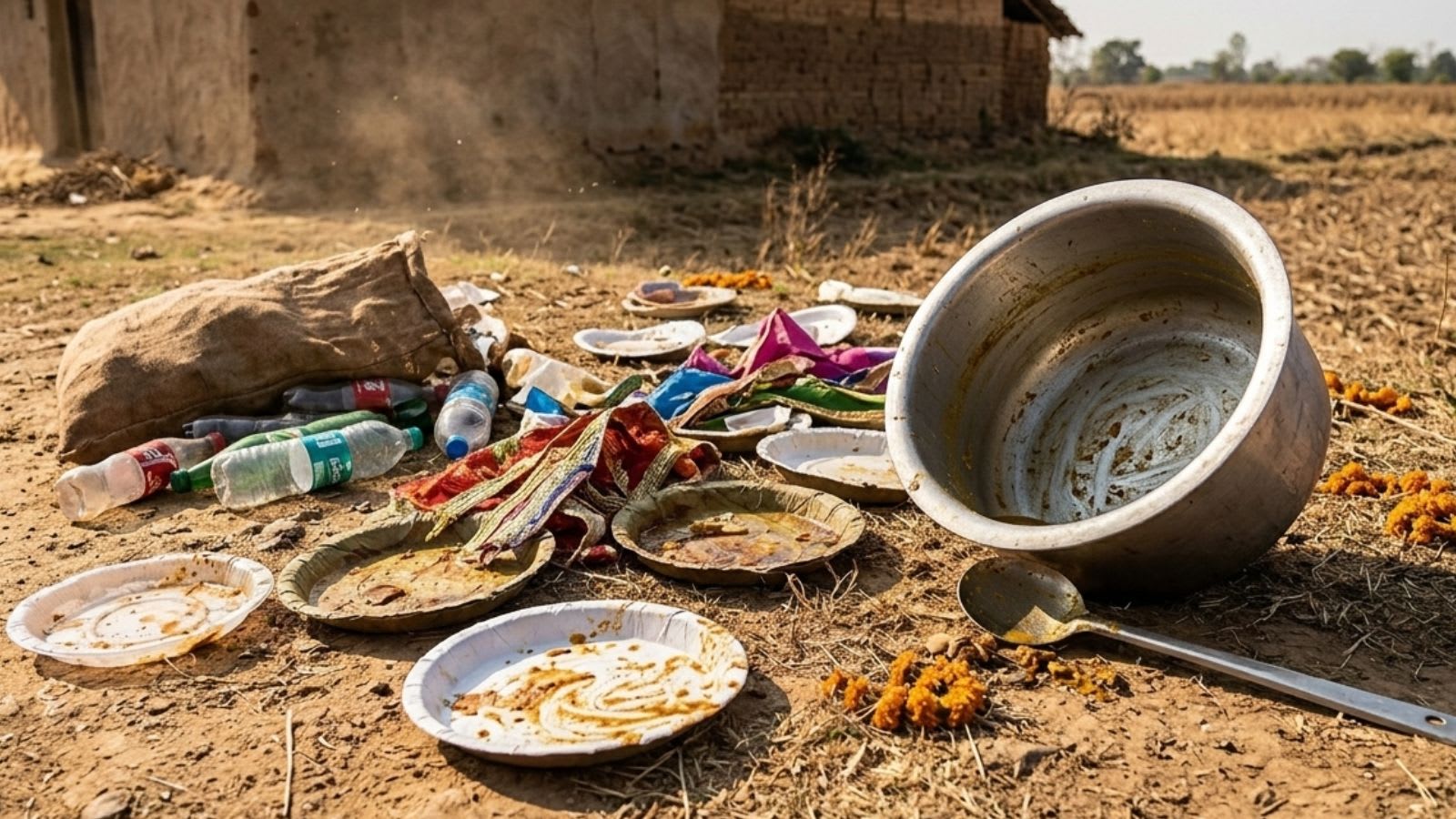
Two separate tragic incidents in Bihar have left one student dead and others hospitalized due to food poisoning and accidental chemical ingestion. Authorities have launched formal inquiries into the safety and management practices of the involved residential institutions.
Tragedy Strikes Bihar Schools: A Crisis of Oversight
Recent events in Bihar have cast a grim spotlight on the safety standards within residential educational institutions. Two separate incidents—one involving suspected food poisoning at a madrasa in Supaul and another involving the accidental ingestion of phenyl at a residential school in Bhagalpur—have resulted in the tragic death of a 10-year-old girl and the hospitalization of several other students. These occurrences highlight a systemic vulnerability in the monitoring of dietary and hygiene protocols in residential settings across the region.
The Supaul Incident: Suspected Food Poisoning
In Supaul, a residential madrasa became the site of a medical emergency following a dinner service on Monday. Three students fell ill shortly after consuming their meal, necessitating an urgent transfer to a private medical facility. Despite medical intervention, the condition of one 10-year-old girl worsened, leading to her untimely death on Tuesday. This incident has raised immediate questions regarding food storage, preparation hygiene, and the oversight mechanisms currently in place for residential religious schools.
The Bhagalpur Incident: Chemical Negligence
Simultaneously, in Bhagalpur, a separate incident underscored the dangers of improper chemical storage. Three girls at a residential school were hospitalized after being served tea that had been accidentally prepared using phenyl. The fact that a hazardous cleaning agent was stored in a glass—typically associated with food or drink—in a kitchen environment points to a severe lapse in basic safety training and facility management. The Naugachia Police and the District Education Officer have since intervened, demanding explanations from school management regarding this dangerous oversight.
Regulatory and Legal Implications
Official inquiries are now underway for both institutions. In the Bhagalpur case, authorities are specifically investigating how phenyl was accessible in a kitchen setting and whether the negligence of staff members contributed to the incident. These investigations are critical, as they seek to establish accountability and determine if existing safety guidelines are being ignored or if current protocols are fundamentally insufficient to protect students living on-site.
Broader Implications for Student Safety
These incidents serve as a sobering reminder of the custodial responsibilities held by residential schools. When children are placed under the care of an institution, the duty of care extends to every aspect of their physical environment, including the integrity of the food chain and the secure containment of hazardous chemicals. The tragic loss of life in Supaul and the near-miss in Bhagalpur suggest that there may be a widespread need for rigorous, standardized safety audits in residential schools across Bihar to prevent future occurrences.
Moving Toward Systemic Reform
As the state moves forward with its investigations, the focus must shift from reactive measures to proactive prevention. Future trends will likely see a push for stricter licensing requirements for residential institutions, mandatory safety training for kitchen staff, and frequent, unannounced inspections by district education departments. Ensuring that such tragedies are not repeated requires a comprehensive overhaul of how these institutions manage their daily operations and prioritize the health and security of their students.
Multiple Citing Sources