Gift Amid Grief: Delhi Building Collapse Victim's Family Donates His Corneas
Source Entity
NDTV News Search Records Found 1000
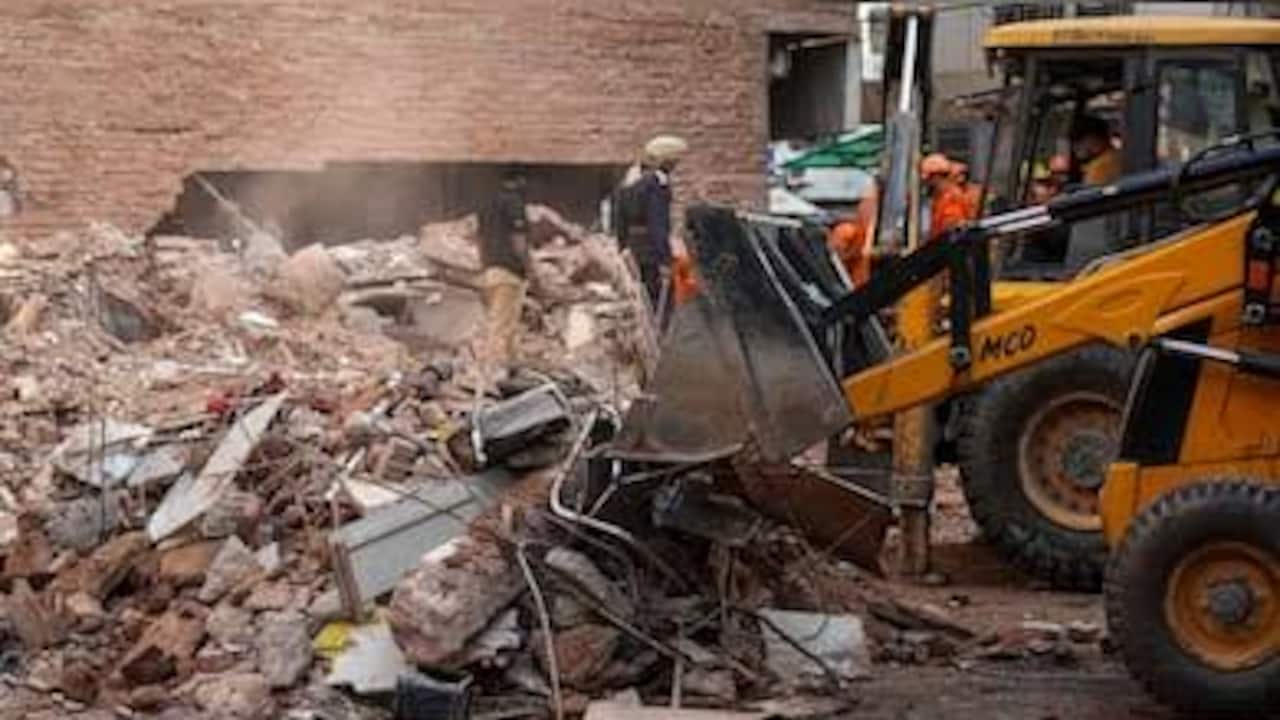
Following a deadly building collapse in Delhi that killed seven, the MCD has launched a crackdown on unsafe PG accommodations. Authorities are initiating a massive survey and demolition drive to address widespread building regulation violations.
The Satya Niketan Tragedy: A Catalyst for Urban Reform
The recent collapse of a five-storey building in Delhi’s Satya Niketan area, which tragically claimed the lives of seven individuals—including five students—has exposed the lethal intersection of unregulated urban growth and the booming demand for affordable student housing. The revelation that the collapsed structure lacked a sanctioned building plan highlights a systemic failure in urban planning and oversight. This event has forced the Municipal Corporation of Delhi (MCD) to transition from reactive crisis management to a more aggressive enforcement posture, aiming to prevent similar catastrophes in the future.
The Anatomy of Unsafe Accommodations
At the heart of the crisis is the proliferation of unauthorized paying guest (PG) accommodations, often operated in residential buildings never designed for high-density occupancy. Brokers, who frequently facilitate the rental of individual floors as PGs, play a critical role in this shadow economy. By operating outside the purview of formal licensing, these entities bypass essential structural integrity assessments, fire safety protocols, and occupancy limit regulations, turning residential zones into high-risk environments for vulnerable populations like students.
Administrative Accountability and Enforcement
In the immediate aftermath, the MCD has taken decisive disciplinary action, suspending five officials, including a deputy commissioner, signaling a shift toward enforcing accountability. The subsequent launch of a massive survey to map PG accommodations and their actual occupancy is a necessary, albeit late, step toward regulating this fragmented sector. By quantifying the scale of the problem, the civic body intends to identify and mitigate risks in buildings that deviate from safety norms.
Escalation: The Demolition Drive
Beyond the survey, the MCD has intensified its demolition campaign, executing 35 demolitions across 12 zones in a single Tuesday drive. This aggressive strategy against unauthorized and unsafe structures serves as a warning to property owners who disregard safety standards. By targeting buildings that lack structural approval, the MCD is attempting to purge the city of high-risk infrastructure that has been allowed to proliferate through years of regulatory laxity.
Future Trends and Policy Implications
Looking ahead, the MCD is under immense pressure to finalize a comprehensive PG policy that mandates strict licensing and rent regulation. Future enforcement will likely focus on integrating digital building plan approvals with real-time occupancy monitoring to ensure compliance. However, the success of these measures depends on balancing the need for safety with the immense demand for student housing in a city where supply remains severely constrained. The path forward requires a sustainable model that incentivizes legal compliance rather than merely relying on punitive demolition drives.
Multiple Citing Sources
Verification Required?