Rajiv Gandhi’s contributions to IT, youth recalled
Source Entity
India Latest News: Top National Headlines Today & Breaking News | The Hindu
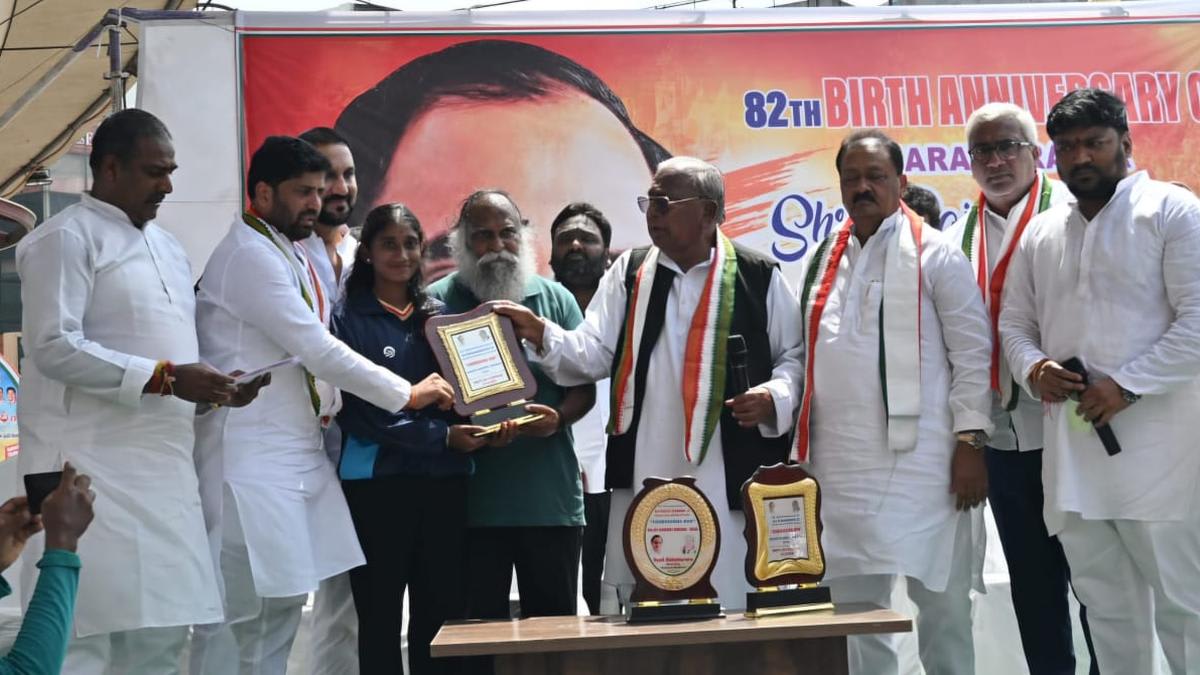
Congress leaders recently celebrated the birth anniversary of former Prime Minister Rajiv Gandhi, highlighting his pivotal role in India's IT revolution. The event underscored his legacy in youth empowerment, specifically citing the reduction of the voting age to 18.
Honoring a Digital Visionary: The Legacy of Rajiv Gandhi
On the occasion of his birth anniversary, Congress leaders, including government adviser V. Hanumantha Rao, gathered to pay tribute to the late Prime Minister Rajiv Gandhi. The ceremony, marked by floral tributes at his statue, served as a platform to reflect on the transformative impact Gandhi had on the nation’s socio-political and technological landscape. By organizing this event, party officials sought to reconnect modern policy discourse with the foundational reforms initiated during the late 1980s.
Architect of the IT Revolution
Central to the commemorations was the recognition of Rajiv Gandhi as the primary architect of India’s Information Technology sector. During his tenure, Gandhi famously advocated for the modernization of telecommunications and the computerization of government processes. By lowering tariffs on computer hardware and encouraging private sector participation in the burgeoning tech field, he set the stage for India to eventually become a global hub for software services. Speakers at the event, including Mr. Hanumantha Rao, emphasized that the current digital infrastructure of the country remains rooted in these early strategic decisions.
Empowering the Youth Vote
Beyond technology, the participants highlighted Gandhi’s commitment to youth empowerment, most notably the constitutional amendment that reduced the voting age from 21 to 18. This change was a landmark moment for Indian democracy, as it integrated millions of young citizens into the electoral process. T. Jagga Reddy noted that this move was not merely a procedural shift but a deliberate strategy to ensure that the aspirations of the younger generation were directly reflected in the nation's governance.
Historical Context and Political Significance
The recollection of these contributions by leaders like Anil Kumar Yadav and Shabbir Ali serves a dual purpose: honoring a historical figure and reinforcing the ideological identity of the Congress party. By highlighting these specific achievements, current party members aim to remind the public of the long-term vision associated with the Gandhi-Nehru legacy. The emphasis on IT and youth participation acts as a bridge between the party’s historical accomplishments and its contemporary relevance in a digital-first economy.
Broader Implications for Modern India
As India continues to navigate the complexities of the digital age, the discourse surrounding Rajiv Gandhi’s policies remains highly pertinent. The foundational work done in the late 1980s provided the necessary momentum for the current 'Digital India' initiatives. The focus on youth empowerment also continues to resonate, as political parties increasingly target the young demographic to shape the future of the nation’s electoral outcomes.
Conclusion
The birth anniversary celebrations were a reflective exercise in legacy building. By focusing on his dual contributions to the IT sector and youth suffrage, the leaders ensured that the memory of Rajiv Gandhi remains synonymous with modernization and democratic inclusivity. As the nation evolves, these historical milestones continue to serve as benchmarks for progress, proving the enduring impact of his leadership on India's trajectory.
Verification Required?