Rajiv Gandhi-era reforms: From 18-year-old voters to National Policy on Education
Source Entity
India Latest News: Top National Headlines Today & Breaking News | The Hindu
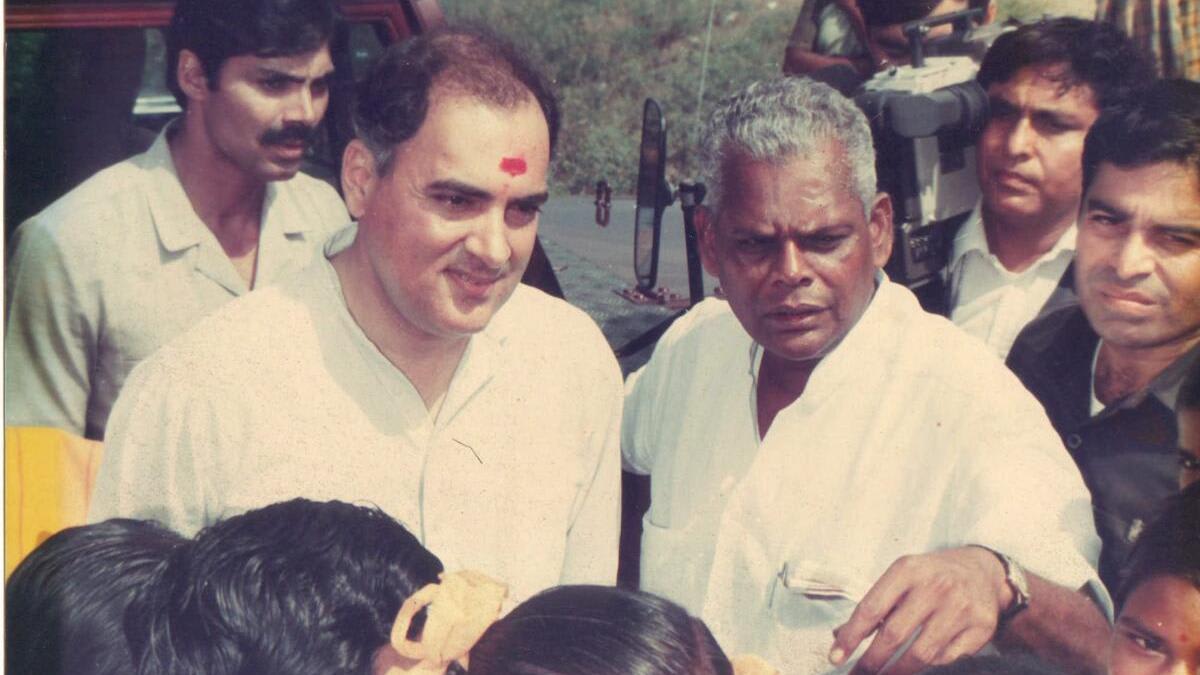
Rajiv Gandhi's tenure as Prime Minister introduced transformative policies, including lowering the voting age to 18, establishing C-DOT for telecom advancement, and launching the 1986 National Policy on Education. These initiatives aimed to modernize India's infrastructure and empower its youth demographic.
The Legacy of Rajiv Gandhi: Modernizing India's Foundations
Rajiv Gandhi assumed the office of Prime Minister in 1984 following the tragic assassination of his mother, Indira Gandhi. Inheriting a nation grappling with significant infrastructure deficits and systemic educational disparities, his administration sought to pivot India toward a more technologically integrated and inclusive future. His tenure is often characterized by a departure from traditional governance, focusing instead on rapid modernization.
Empowering the Youth: The 61st Amendment
One of the most consequential legislative shifts during Gandhi's term was the enactment of the Sixty-First Amendment Act in 1988. By lowering the minimum voting age from 21 to 18, the government effectively expanded the democratic franchise to millions of young citizens. This move was not merely symbolic; it recognized the youth as a vital force in the nation's political trajectory, ensuring that the burgeoning population had a direct stake in the country's legislative and developmental future.
The Technological Leap: Establishing C-DOT
Recognizing that India’s telecommunications infrastructure was severely crippled, Gandhi championed the creation of the Centre for Development of Telematics (C-DOT). By fostering indigenous research and development, C-DOT became the cornerstone for modernizing India’s telecom sector. This strategic focus on self-reliance in technology helped lay the groundwork for the digital connectivity that would eventually define the country's economic growth in later decades.
The National Policy on Education (1986)
Education reform stood at the center of Gandhi’s vision for a modern India. The National Policy on Education (NPE) of 1986 sought to bridge the widening disparities in schooling and access to knowledge. By emphasizing uniformity and modernization in the pedagogical framework, the policy aimed to equip the next generation with the skills necessary for a globalized economy, addressing the inherent inequities that had long hindered social mobility.
Historical Context and Long-term Impact
These initiatives—lowering the voting age, advancing telecom infrastructure, and reforming education—represented a cohesive strategy to modernize the Indian state. By addressing the needs of the electorate, the necessity of digital communication, and the importance of human capital, Gandhi’s policies created a foundation for the socio-political landscape of contemporary India. These measures are frequently analyzed as the catalysts that transitioned the nation into the digital and democratic maturity of the 21st century.
Conclusion: A Lasting Influence
As observed on his 82nd birth anniversary in 2026, the legacy of Rajiv Gandhi’s premiership remains deeply embedded in India's institutional framework. From the constitutional right of 18-year-olds to cast their ballots to the technological advancements spurred by C-DOT, his tenure remains a subject of intense academic and political interest. His efforts to modernize India from within provided the necessary scaffolding for the nation's subsequent developmental achievements.
Verification Required?