Kashmiri Pandit activist Rakesh Handoo's daughter seeks public support for his release
Source Entity
India Latest News: Top National Headlines Today & Breaking News | The Hindu
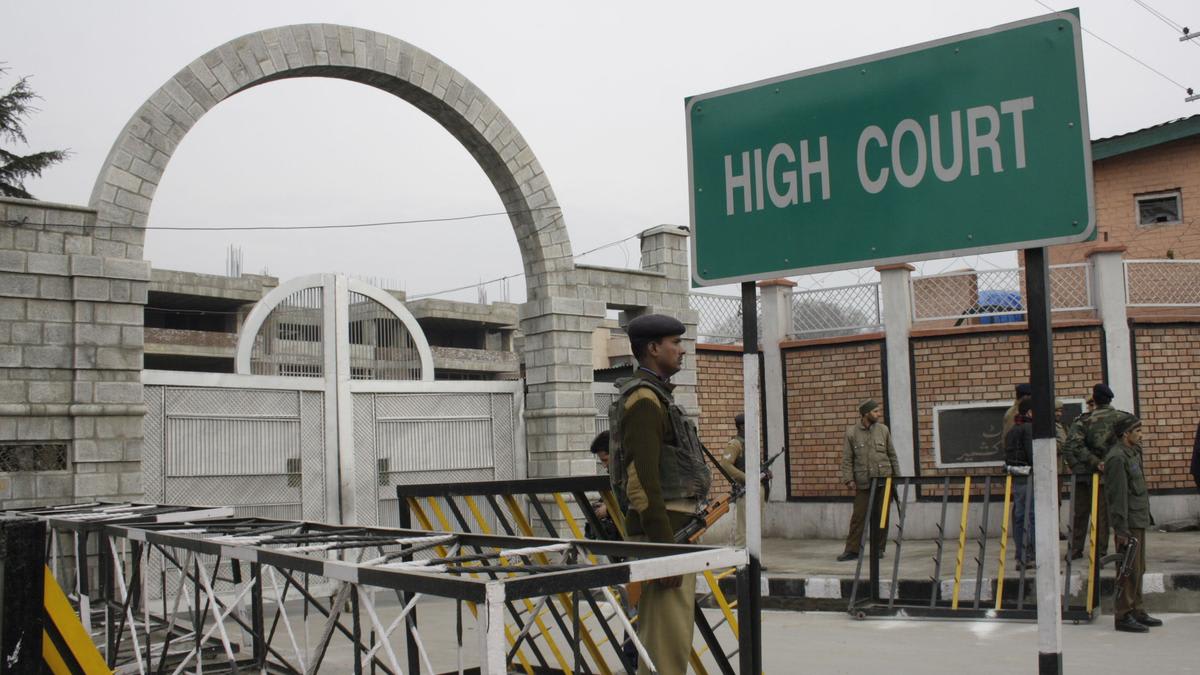
Anjani Handoo has launched a campaign for the release of her father, activist Rakesh Handoo, who is currently in custody for an alleged cyber-terrorism case. His legal team is preparing to challenge the charges in the Jammu and Kashmir High Court.
The Case of Rakesh Handoo: A Legal and Social Challenge
The arrest of Kashmiri Pandit social activist Rakesh Handoo on October 17, 2026, has sparked a significant public campaign led by his daughter, Anjani Handoo. The situation highlights the intersection of national security legislation and the ongoing civil discourse within the Jammu and Kashmir region. Rakesh Handoo, known for his activism, finds himself at the center of a complex legal battle involving serious charges that carry profound implications for his future and the broader community.
The Campaign for Due Process
Anjani Handoo has embarked on a systematic outreach effort, engaging with public representatives, community leaders, and various civil society members. Her mission is to draw attention to her father's detention, which she frames as a quest for fairness and the strict adherence to the rule of law. By mobilizing public sentiment, she is attempting to shift the narrative toward a demand for transparency, emphasizing that her father’s rights must be protected throughout the investigative process.
Legal Challenges and Section 66F
The core of this legal dispute lies in the charges filed by the Baramulla Police. The invocation of Section 66F of the Information Technology Act, which pertains to cyber-terrorism, is a significant legal escalation. This section is particularly severe, as it carries a potential maximum sentence of life imprisonment. The inclusion of Section 84C further complicates the legal landscape, necessitating a robust defense strategy to contest the state's classification of the alleged activities.
Judicial Recourse
In response to the charges, the defense team, led by advocate Azim Pandit, is currently preparing a formal challenge to be filed before the Jammu and Kashmir High Court. This judicial intervention is expected to be a pivotal moment in the case, as it will require the court to weigh the evidence provided by the police against the defense's arguments regarding the appropriateness of the cyber-terrorism charges. The outcome of this filing will set a critical precedent for how such cases are handled within the region.
Broader Implications and Future Trends
This case underscores the tension between digital policing and civil liberties in Jammu and Kashmir. As authorities increasingly rely on cyber-terrorism statutes to address perceived threats, the role of legal oversight becomes paramount. The outcome of Rakesh Handoo’s case will likely influence future discussions regarding the application of the IT Act in sensitive regions. Observers are watching closely to see how the judiciary balances security imperatives with the fundamental rights of individuals, as this will ultimately dictate the trajectory of similar legal challenges in the near future.
Verification Required?