CJI-led Bench to hear pleas on Ram Temple donation embezzlement case | LIVE
Source Entity
India Latest News: Top National Headlines Today & Breaking News | The Hindu
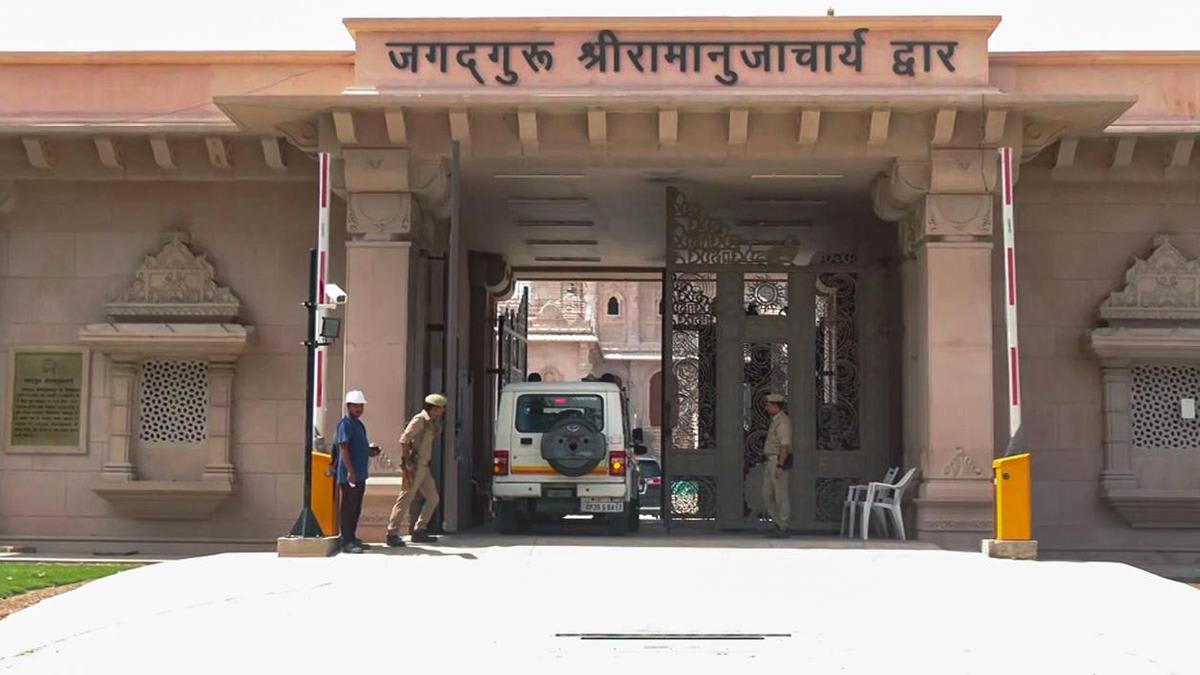
A petition filed by RJD MP Sudhakar Singh to provide and publish complete financial details of the Shri Ram Janmabhoomi Teerth Kshetra Trust, including foreign contributions, is listed along with two other petitions
Judicial Scrutiny over Ram Temple Trust Finances
The Supreme Court of India, led by the Chief Justice of India (CJI), is poised to hear a series of petitions concerning the financial transparency of the Shri Ram Janmabhoomi Teerth Kshetra Trust. At the heart of the matter is a plea filed by Sudhakar Singh, a Member of Parliament from the Rashtriya Janata Dal (RJD), which calls for the public disclosure of the Trust's complete financial records. This move signals a critical juncture where the judiciary must balance the administrative autonomy of a religious trust against the public's right to know how massive sums of donated capital are being utilized.
The Call for Financial Transparency
The petition filed by MP Sudhakar Singh specifically emphasizes the need for a comprehensive audit and the publication of all financial details, with a particular focus on foreign contributions. Given the global scale of the fundraising campaign for the Ram Temple in Ayodhya, the influx of international funds has become a point of legal and political scrutiny. The request seeks to ensure that the funds, contributed by millions of devotees worldwide, are being handled with the highest standards of integrity and are not subject to embezzlement or misappropriation, ensuring that the sanctity of the donations is maintained.
Historical and Socio-Political Context
The Shri Ram Janmabhoomi Teerth Kshetra Trust was established following the landmark 2019 Supreme Court verdict that paved the way for the construction of the temple. Since its inception, the Trust has managed an unprecedented fundraising drive, collecting billions of rupees from a diverse demographic of donors. In the Indian socio-political landscape, the Ram Temple is more than just a religious structure; it is a symbol of profound cultural and political significance. Consequently, any allegation of financial irregularity within the Trust carries immense weight, potentially triggering widespread public discourse and political volatility.
Legal Implications and the Role of the CJI
The involvement of a CJI-led bench underscores the gravity of the petitions. The court will likely examine whether the Trust, despite being a private entity in some legal respects, performs a "public function" that necessitates higher transparency. The legal battle will likely revolve around the Foreign Contribution (Regulation) Act (FCRA) and other financial statutes governing non-profit organizations. If the court mandates the publication of accounts, it could establish a significant legal precedent, redefining the accountability frameworks for large-scale religious trusts across India, which have traditionally enjoyed a degree of opacity.
Political Undercurrents and Future Trends
The fact that the petition is led by an MP from the RJD—a prominent opposition party—highlights the political dimensions of the case. While the legal quest for transparency is a legitimate administrative concern, it also reflects the ongoing political contestation surrounding the temple's management and the government's oversight. Looking forward, this case may lead to a systemic shift in how religious endowments are audited in India. We may see the introduction of more stringent reporting requirements for trusts that solicit funds from the general public on a national or international scale to prevent potential financial scandals and enhance public trust.
Conclusion: A Test of Accountability
In summary, the upcoming hearings will be a litmus test for the transparency of one of India's most high-profile religious organizations. By seeking to uncover the financial blueprints of the Shri Ram Janmabhoomi Teerth Kshetra Trust, the petitioners are pushing for a standard of accountability that matches the scale of the temple's significance. The decision of the CJI-led bench will ultimately determine whether faith-based administration can coexist with the rigorous demands of public financial disclosure in a modern democratic framework.
Verification Required?