‘Rat’ in dosa: When a food complaint could set Tukaram Mundhe into motion – but turned into extortion
Source Entity
Manish Kumar Pathak
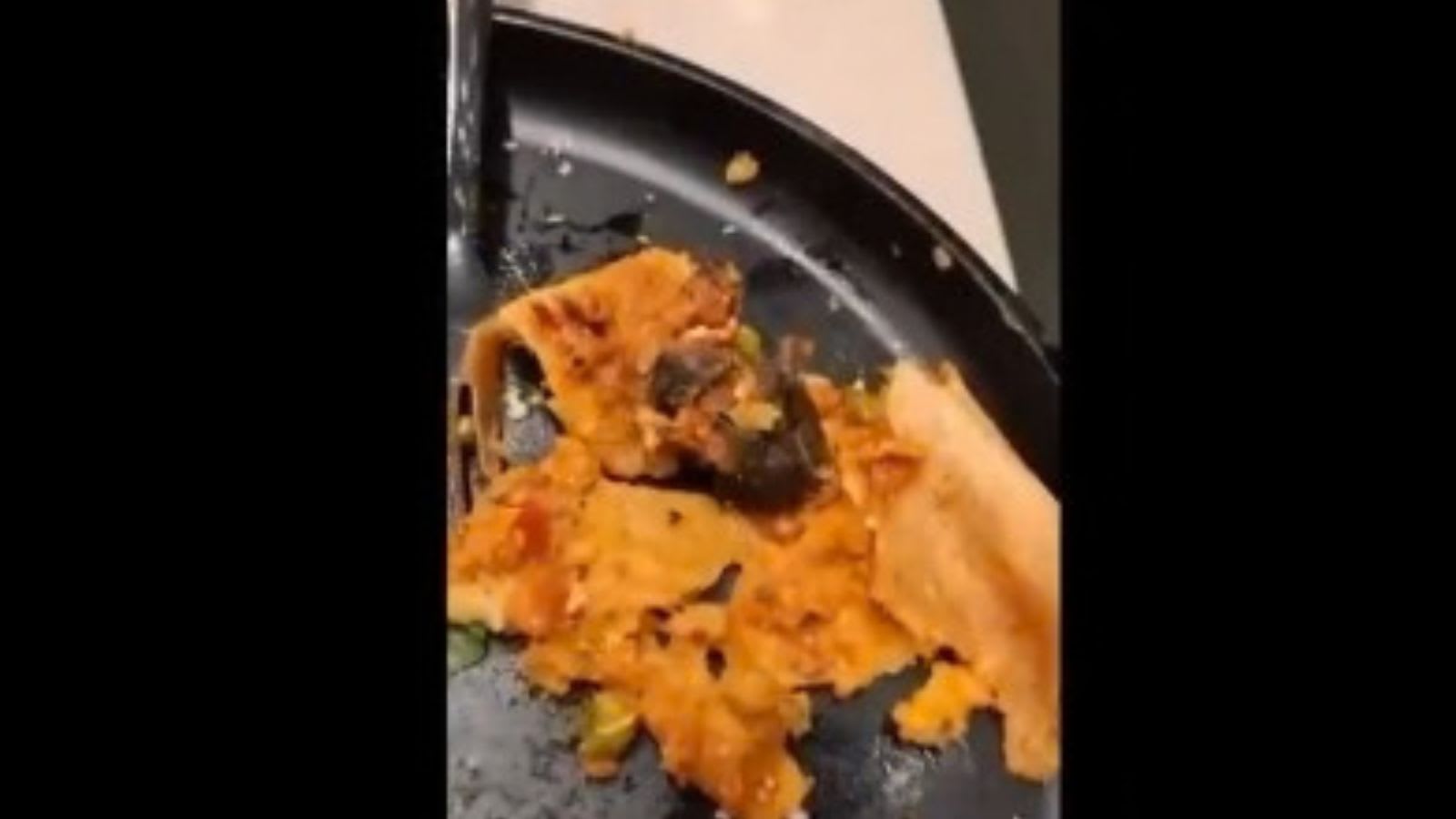
A viral video claiming a rat was found in a dosa at a Mumbai eatery has been exposed as an extortion plot. Two sisters allegedly demanded money from the hotel owner, leading to a police case and investigation.
The Viral Dosa Scandal: A Case of Digital Extortion
In an era where social media can instantly damage the reputation of any business, a recent incident involving a purported 'rat in a dosa' at a Mumbai eatery has taken a shocking turn. What initially appeared to be a grave food safety concern—a video circulating online that would typically trigger immediate intervention from officials like Maharashtra food safety chief Tukaram Mundhe—has been revealed as a sophisticated extortion scheme. This case highlights the increasing vulnerability of businesses to weaponized social media content.
Anatomy of the Extortion Plot
The incident began when a video surfaced on social media platforms, allegedly showing a dead rat inside a dosa served at a hotel owned by Jai Kishore Shah. While such footage is naturally alarming to the public and regulatory authorities, the situation shifted from a matter of hygiene to a criminal investigation when the hotelier began receiving threats. Two sisters were identified by the Borivali Police for allegedly leveraging this viral video to demand a sum of Rs 25 lakh from the hotel owner, threatening further public defamation if the payment was not made.
The Negotiation and Legal Fallout
According to the formal complaint filed by the hotel owner, the extortion attempt involved a calculated negotiation process. The initial demand of Rs 25 lakh was eventually lowered to Rs 7 lakh, with the victim reportedly paying an advance of Rs 1 lakh on September 30. Following this, the Borivali Police registered a case against the two sisters, shifting the focus from an alleged health code violation to a serious charge of criminal extortion. This turn of events exposes how easily digital evidence can be manipulated or utilized as a tool for financial coercion.
Broader Implications for Food Businesses
The incident serves as a cautionary tale for the hospitality industry regarding the power of 'viral' content. In the current digital landscape, a video can be uploaded and shared globally in seconds, often bypassing the verification processes that traditional journalism provides. For business owners, this means that even a fabricated or staged video can lead to immediate, irreparable damage to their brand equity, creating a perfect environment for bad actors to exploit their fear of public backlash.
Future Trends in Digital Security
As social media continues to dominate the public discourse, businesses must adopt more robust crisis management strategies to handle such threats. The transition from a public health scare to a police case underscores the importance of verifying claims before reacting to online pressure. Looking forward, we can expect to see stricter legal repercussions for those who use social media to facilitate extortion, as law enforcement agencies become more adept at tracing the origins of viral content and the subsequent financial demands associated with them.