Most economists see RBI raising rates in October policy
Source Entity
SHIVA RAJORA
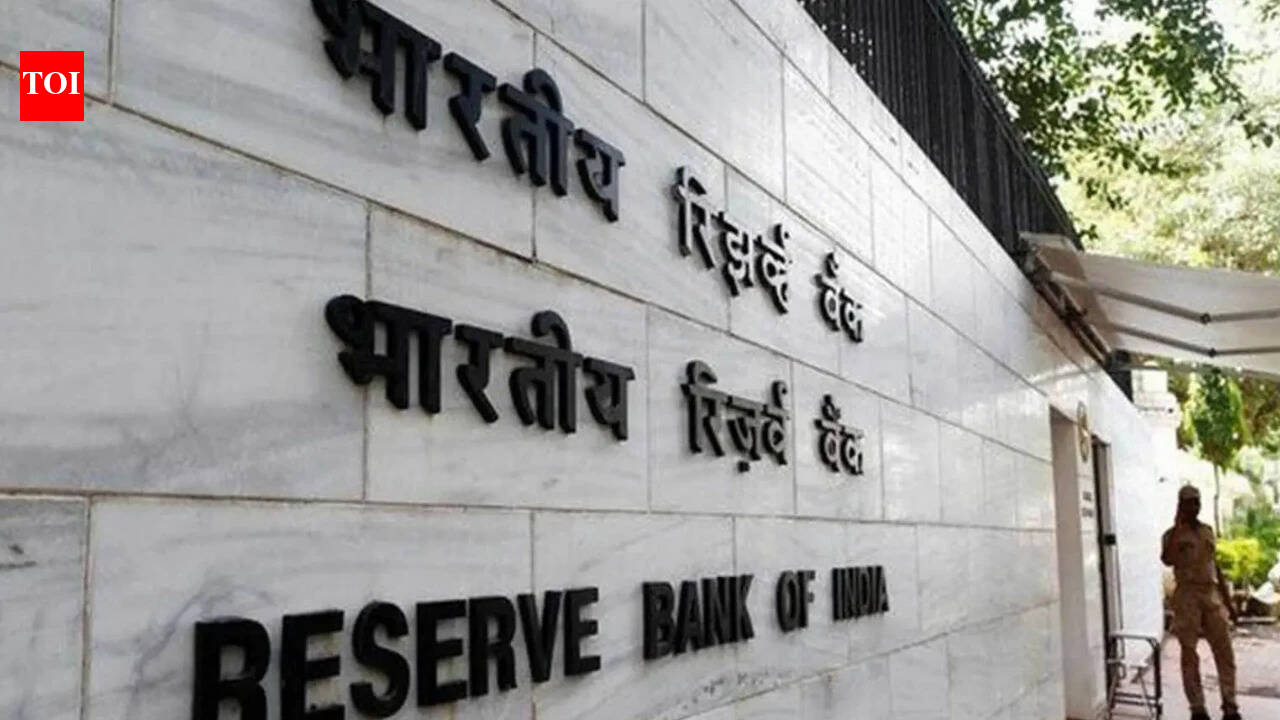
A poll of economists indicates that the RBI is likely to raise the repo rate by 25 basis points in October. This move is driven by rising inflation, liquidity concerns, and global interest rate trends.
The Impending Shift in India's Monetary Policy
Recent polling data from a survey of twelve economists suggests a significant pivot in the Reserve Bank of India's (RBI) monetary policy stance. After a period of maintaining the status quo, a majority of experts now anticipate that the Monetary Policy Committee (MPC) will implement a 25 basis point hike in the repo rate during the upcoming October policy meeting. This development marks a potential return to a tightening cycle, reflecting the central bank's ongoing struggle to balance growth with the pressures of rising price levels.
Drivers of the Expected Rate Hike
The rationale behind this projected hike is multifaceted. Economists point to a confluence of domestic and international factors, most notably the acceleration of domestic inflation. This inflationary pressure is compounded by significant liquidity in the financial system, which the central bank is now tasked with managing. Furthermore, the global environment is playing a critical role, as central banks in major economies like the United States and Japan have moved toward increasing their own interest rates, forcing the RBI to adjust its strategy to maintain capital stability and currency strength.
Historical Context and Policy Evolution
To understand the gravity of this shift, one must look at the recent history of India's monetary policy. The last time the repo rate was adjusted upward was in February 2023, a move necessitated by the post-pandemic spike in inflation. Following that, the RBI adopted a period of gradual easing between February and December 2025. Keeping the repo rate unchanged at 5.25% has been the hallmark of the MPC's recent strategy, but this period of stability now appears to be reaching its structural limit.
Broader Economic Implications
The potential 25 basis point hike in October is widely viewed as just the beginning of a larger trend. Economists surveyed in the poll expect a cumulative increase of 50 to 75 basis points throughout the current financial year. Such a move would signal to the market that the central bank is prioritizing price stability over the easy-money environment that has characterized the post-pandemic recovery phase. This transition is critical for cooling down an overheating economy and anchoring long-term inflation expectations.
Future Trends and Market Outlook
Looking ahead, the direction of the Indian economy will be heavily influenced by how the MPC balances these rate hikes against the necessity of supporting economic growth. If the committee follows through with these projections, it will represent a cautious but firm commitment to inflation targeting. Market participants will be watching the second quarter data closely, as the specific signals from the MPC in October will likely dictate the borrowing costs for both consumers and businesses for the remainder of the fiscal year. The consensus among experts is clear: the era of static interest rates is drawing to a close.