SEBI, RBI launch ‘Demat 2.0’ pilot for corporate bond tokenisation
Source Entity
Akash Mandal
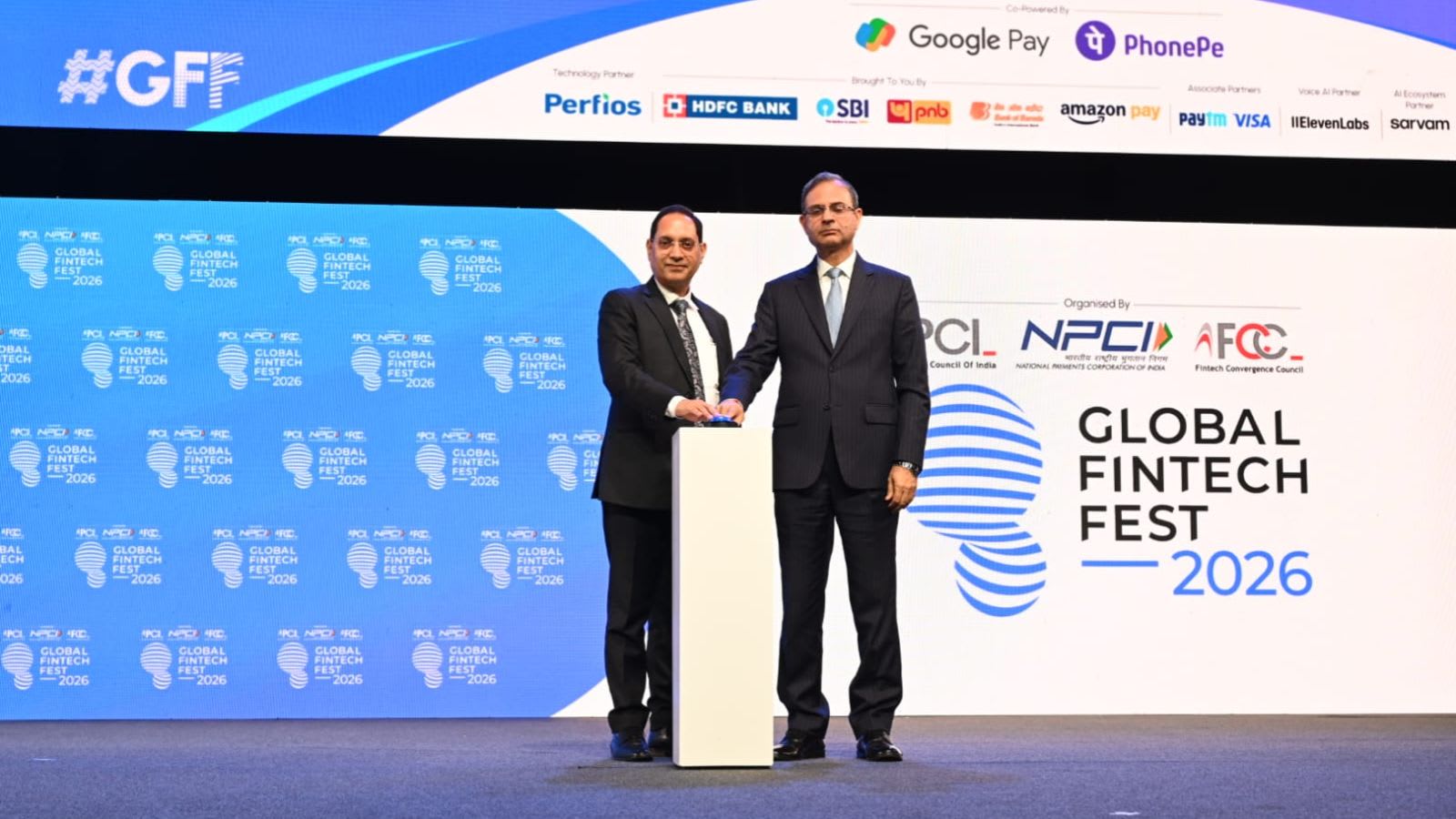
The RBI and SEBI have launched 'Demat 2.0', a pilot program utilizing blockchain and CBDCs to tokenize corporate bonds. This initiative aims to streamline settlement processes and automate asset servicing within Indian financial markets.
Revolutionizing Indian Debt Markets: The Launch of Demat 2.0
The Reserve Bank of India (RBI) and the Securities and Exchange Board of India (SEBI) have officially inaugurated 'Demat 2.0', a landmark pilot program aimed at modernizing the nation's corporate bond market. Unveiled at the Global Fintech Fest in Mumbai, this initiative marks a significant shift toward the digital transformation of traditional securities.
The Role of Tokenisation and Blockchain
At its core, Demat 2.0 leverages distributed ledger technology (DLT) to facilitate the tokenisation of corporate bonds. By digitizing these assets, the regulators aim to bring the security and settlement legs of transactions closer together. This technological integration is designed to reduce the time lag currently present in bond trading, moving the industry toward a more agile, real-time settlement environment.
Synergies with CBDC
A pivotal component of this pilot is the integration of the central bank digital currency (CBDC). By pairing blockchain-based asset representation with digital currency, the RBI and SEBI are exploring a frictionless ecosystem where the transfer of ownership and the exchange of value occur near-simultaneously. This synergy is expected to significantly mitigate counterparty risk and enhance liquidity in the corporate debt segment.
Institutional Collaboration
The scale of this pilot is underscored by the participation of India’s premier financial infrastructure entities. Major depositories including Central Depository Services Ltd (CDSL) and National Securities Depositories Ltd (NSDL) are working alongside leading exchanges like the BSE and NSE. Furthermore, the inclusion of major banking institutions such as HDFC Bank and ICICI Bank ensures that the infrastructure is being tested within the rigorous, high-volume environment of India's commercial banking sector.
Strategic Implications and Future Trends
Beyond immediate settlement speed, Demat 2.0 is focused on automating complex asset servicing tasks. As SEBI Chairman Tuhin Kanta Pandey noted, the initiative seeks to evaluate how DLT can streamline administrative workflows that have historically been manual and prone to delays. If successful, this pilot could serve as a blueprint for wider applications of blockchain in Indian capital markets, potentially extending to equity markets and derivatives in the future.
Conclusion
The launch of Demat 2.0 represents a proactive regulatory approach to financial innovation. By harmonizing the efforts of central banking authorities and market regulators, India is positioning itself to lead in the adoption of next-generation financial technologies. The success of this pilot will likely define the trajectory of digital asset integration in the formal economy for years to come.