Doctors report rise in Influenza A, Covid-19 and H1N1 this monsoon, urge caution
Source Entity
VAIBHAVI V RISBOOD
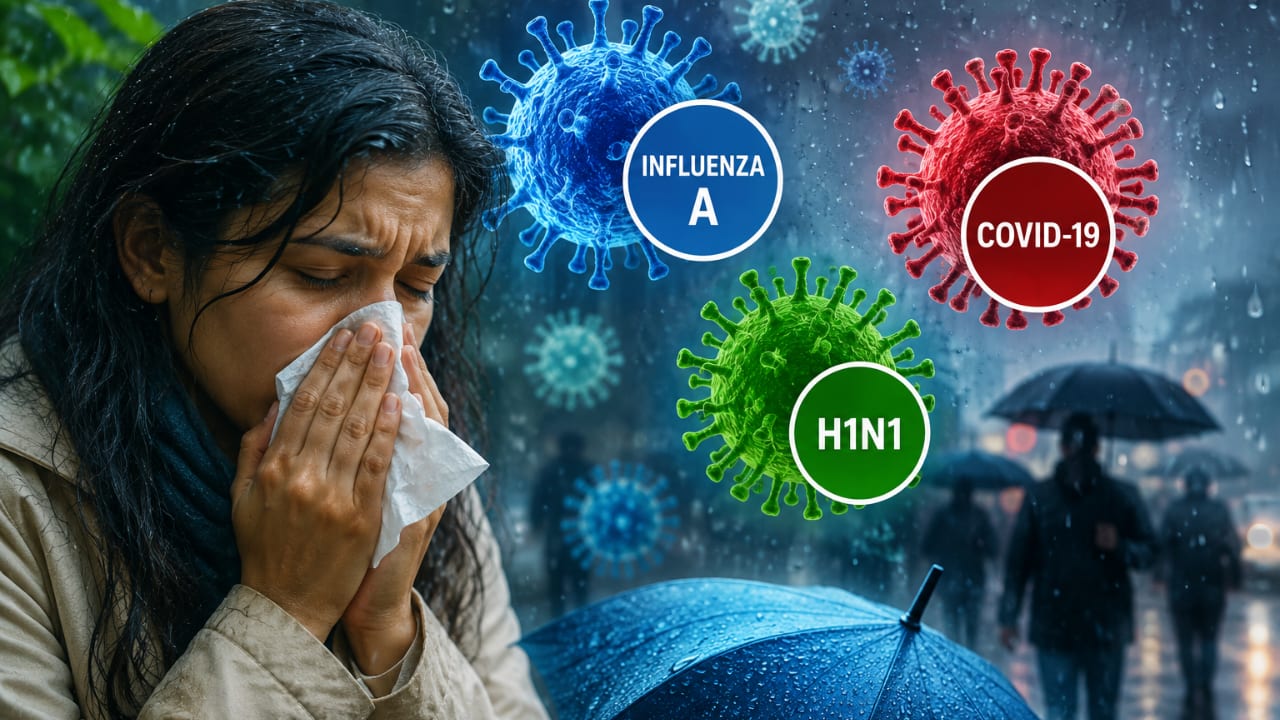
Medical professionals are reporting a significant surge in respiratory infections, including Influenza A, COVID-19, and H1N1, coinciding with the monsoon season. Doctors are urging the public to seek timely testing and are warning against the dangerous trend of using antibiotics for viral infections, which fuels antimicrobial resistance.
Seasonal Surge: Analyzing the Rise of Respiratory Infections During Monsoon
Recent reports from medical professionals indicate a concerning uptick in respiratory infections, specifically Influenza A, COVID-19, and H1N1, coinciding with the current monsoon season. This phenomenon is not isolated but represents a broader trend where seasonal transitions create an ideal environment for viral proliferation. The convergence of these three distinct but symptomatically similar viruses presents a significant challenge for both patients and healthcare providers, necessitating a high degree of clinical vigilance and public awareness.
The Environmental Catalyst: Why Monsoons Trigger Outbreaks
The relationship between the monsoon season and the rise of respiratory illnesses is deeply rooted in environmental and behavioral shifts. Increased humidity and fluctuating temperatures during this period often facilitate the survival and transmission of airborne viruses. Furthermore, as rainfall increases, people are more likely to congregate in enclosed, poorly ventilated spaces to avoid the weather, which significantly accelerates the spread of droplets containing Influenza A and SARS-CoV-2. Historically, the 'monsoon surge' has been a recurring pattern in tropical and subtropical regions, where the damp climate supports the stability of viral envelopes, allowing them to remain infectious in the environment for longer periods.
The Triple Threat: Differentiating Influenza A, H1N1, and COVID-19
A critical aspect of the current health crisis is the symptomatic overlap between Influenza A, H1N1 (a subtype of Influenza A), and COVID-19. All three typically present with fever, cough, sore throat, and fatigue, making self-diagnosis nearly impossible and often dangerous. The danger lies in the potential for severe complications, such as viral pneumonia, particularly in vulnerable populations. By urging timely testing, doctors aim to ensure that patients receive the correct antiviral treatments rather than generic symptom management. The ability to differentiate these viruses is essential not only for individual patient care but also for epidemiological tracking to prevent localized outbreaks from becoming wider epidemics.
The Crisis of Antimicrobial Resistance (AMR)
One of the most pressing concerns highlighted by experts is the misuse of antibiotics in treating these viral infections. Because the symptoms of a viral respiratory infection can mimic those of a bacterial one, there is a persistent tendency among patients to demand antibiotics. However, antibiotics are entirely ineffective against viruses. This systemic misuse contributes to the global crisis of antimicrobial resistance (AMR), where bacteria evolve to survive the drugs designed to kill them. If this trend continues, common bacterial infections could become untreatable, turning the current seasonal surge into a catalyst for a more permanent public health disaster.
Protecting Vulnerable Populations
The impact of these infections is not uniform across the population. Children, the elderly, and individuals with comorbidities—such as asthma, diabetes, or cardiovascular diseases—face a significantly higher risk of severe morbidity. For these groups, a 'simple' case of Influenza A can rapidly escalate into respiratory failure or secondary bacterial infections. The medical community's emphasis on prompt evaluation for vulnerable groups is a strategic move to reduce hospitalization rates and prevent fatalities. Early intervention, combined with seasonal vaccinations, remains the most effective defense against the complications associated with these respiratory pathogens.
Future Outlook and Preventative Strategy
Looking forward, the trend of overlapping viral seasons suggests that the public must shift toward a more proactive health strategy. We can expect an increased reliance on 'multiplex' diagnostic panels—tests that can screen for multiple respiratory viruses simultaneously from a single swab. This will reduce the time to diagnosis and prevent the blind prescription of antibiotics. Furthermore, public health campaigns will likely focus more on the 'vaccine cocktail' approach, encouraging annual flu shots alongside updated COVID-19 boosters to create a comprehensive shield against the seasonal triple threat.
Summary
The current rise in Influenza A, COVID-19, and H1N1 underscores the recurring vulnerability of public health during the monsoon season. The core of the issue lies in the intersection of environmental triggers, symptomatic similarity, and the dangerous misuse of antibiotics. By prioritizing accurate testing and protecting high-risk groups, the healthcare system can mitigate the impact of these surges and combat the growing threat of antimicrobial resistance.