Step inside restored 1949 heritage home in Lucknow, where slow living takes centre stage
Source Entity
Latest News: Todays Latest News Headlines from India & World | Hindustan Times | Hindustan Times
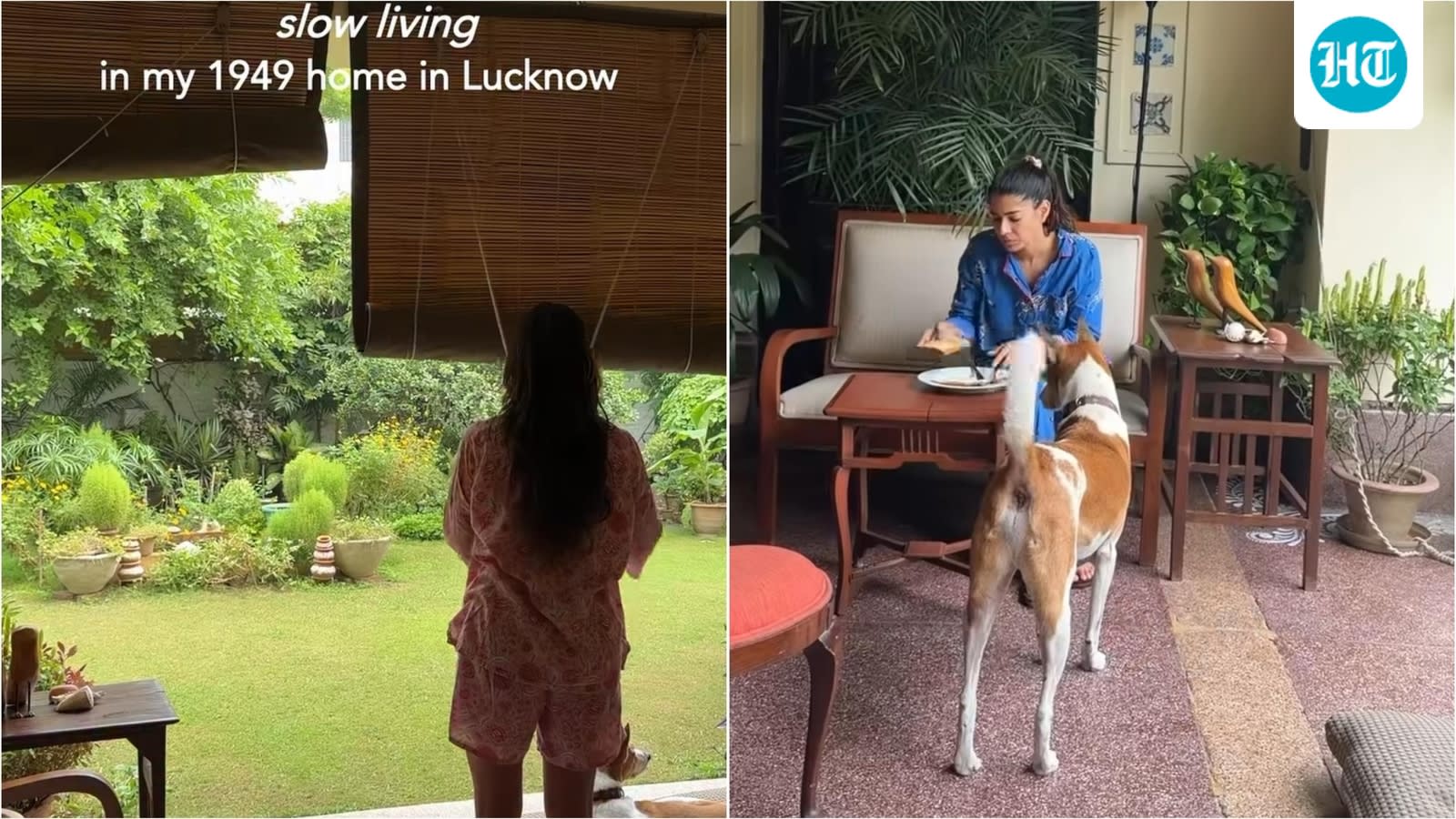
Digital creator Geetika Chakravarti has showcased the restoration of her family's 1949 heritage home in Lucknow. The residence highlights the philosophy of slow living and deep emotional connections to ancestral roots.
The Resurgence of Heritage: A Look Inside a 1949 Lucknow Residence
In an era defined by rapid urbanization and the proliferation of glass-and-steel modern architecture, the restoration of a 1949 heritage home in Lucknow, championed by digital creator Geetika Chakravarti, offers a poignant counter-narrative. This residence is not merely a structure of brick and mortar; it serves as a vessel for historical continuity, embodying the architectural aesthetics of mid-20th-century India. By preserving the original character of the home, Chakravarti’s family has participated in a growing movement of heritage conservation that prioritizes cultural legacy over the convenience of modern real estate development.
The Philosophy of Slow Living
At the heart of this restoration is the concept of 'slow living,' a lifestyle approach that emphasizes mindfulness, intentionality, and a deeper connection to one’s surroundings. The Lucknow home, with its expansive lawns and shaded verandas, acts as a sanctuary that demands a slower pace of life. Unlike the high-velocity environment of Mumbai, where Chakravarti is currently based, this heritage home provides a tactile experience of history that encourages inhabitants to pause, reflect, and engage with their environment on a human scale.
Generational Bonds and Emotional Architecture
Chakravarti’s narrative underscores the critical role of emotional geography in heritage preservation. Her childhood memories—forged during annual visits to this Lucknow home and her maternal grandmother’s residence in Allahabad—transformed these buildings into repositories of family identity. The fact that the house was restored by her parents nearly 11 years ago speaks to a multi-generational commitment to ancestral preservation. This emotional investment is what differentiates a mere house from a heritage home; it is the accumulation of lived experiences that gives the space its soul.
The Technicality of Restoration
Restoring a structure dating back to 1949 requires a delicate balance between modern structural integrity and the maintenance of period-accurate aesthetics. Over the last decade, the family has managed to retain the essence of the building while ensuring it remains habitable for contemporary needs. The preservation of the expansive lawns and the shaded architectural features typical of that era suggests a design philosophy that respects the climate-responsive architecture of the past, which often relied on natural ventilation and green spaces to maintain comfort.
Future Trends in Heritage Preservation
Looking forward, the trend of restoring ancestral properties is likely to gain momentum among India’s younger generation. As digital creators like Chakravarti share these narratives, they shift the perception of heritage homes from 'burdenous old properties' to 'aspirational sanctuaries.' This cultural shift could potentially influence broader urban planning, encouraging the adaptive reuse of heritage buildings rather than their demolition. By showcasing that such homes can be both functional and deeply meaningful, the family’s efforts contribute to a wider discourse on the importance of maintaining regional architectural identities in a globalized world.
Conclusion: A Legacy Preserved
Ultimately, the restoration of this 1949 Lucknow residence stands as a testament to the power of personal history. It highlights how the act of preservation can foster a sense of belonging and provide a grounding force in an increasingly transient world. Through the lens of Geetika Chakravarti, we see that the most modern way to live may well be to cherish and inhabit the legacies left behind by those who came before us.
Verification Required?