Review: The Meat Market by Mashiul Alam
Source Entity
Latest News: Todays Latest News Headlines from India & World | Hindustan Times | Hindustan Times
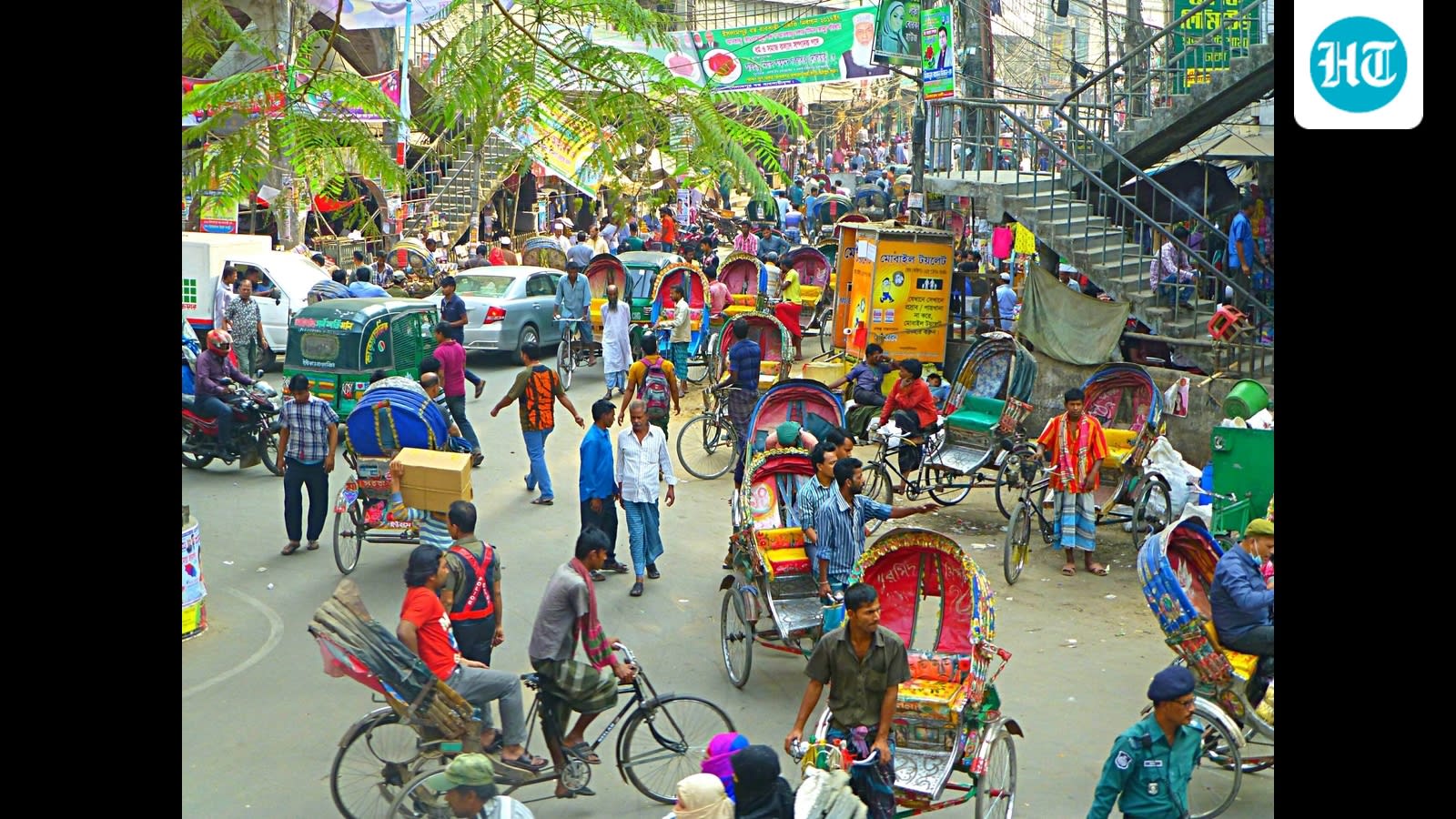
Mashiul Alam's short story collection, 'The Meat Market,' translated by Shabnam Nadiya, offers a harrowing, hyperreal critique of societal class structures. Through disturbing narratives like 'The Milk,' the book explores themes of poverty, desperation, and human-animal interconnectedness.
A Haunting Exploration of Class and Survival
The Meat Market, a collection of short fiction by Mashiul Alam and translated into English by Shabnam Nadiya, serves as a searing indictment of systemic inequality. By blending macabre imagery with a hyperreal narrative style, Alam forces the reader to confront the visceral realities of a classist society where the boundaries between human desperation and animal instinct blur into a singular, tragic struggle for survival.
The Visceral Reality of 'The Milk'
The collection opens with the story The Milk, which sets a grim, foundational tone for the subsequent tales. The narrative centers on Julekha, a 24-year-old bonded laborer whose poverty is so absolute that her body can no longer sustain her child. The imagery of an infant surviving on rice-water and dirt alongside livestock highlights the dehumanizing nature of extreme labor. This story serves as a microcosm for the entire collection, illustrating how societal neglect forces the most vulnerable into a state of primal existence.
Interconnectedness and the Divine
Perhaps the most striking element of Alam’s writing is his use of the animal kingdom to mirror human suffering. In The Milk, the arrival of a nursing mother dog—a creature grieving the loss of her own litter—creates a moment of interspecies salvation that shocks the village of Modhupur. By having the dog 'converse with God' before choosing to feed the human child, Alam elevates the narrative from simple poverty porn to a profound spiritual critique, questioning the morality of a society that forces its people to rely on the charity of animals.
The Broader Implications of 'The Meat Market'
The titular story, The Meat Market, continues the exploration of commodification and the devaluation of life. By situating his stories within the framework of a classist hierarchy, Alam exposes how the mechanisms of labor and survival strip individuals of their dignity. The juxtaposition of the rural setting with the harsh, uncaring machinery of the village hierarchy creates a tension that is both claustrophobic and deeply moving.
Literary Significance and Future Trends
Through Shabnam Nadiya’s translation, these Bengali works gain a wider audience, contributing to a growing trend of global literature that centers on the 'unheard' voices of the Global South. Alam’s work suggests a future in literary criticism where the focus shifts toward 'eco-social' narratives—stories that refuse to separate the fate of the environment, the animal, and the marginalized human worker. This collection is not merely an exercise in misery, but a calculated, artistic effort to document the erosion of empathy in modern social structures.
Conclusion
In summary, The Meat Market is a challenging, essential read that uses the macabre to reveal the truth. By focusing on the intersection of class, gender, and survival, Mashiul Alam creates a tapestry of stories that feel disturbingly real. It remains a powerful testament to the necessity of literature in exposing the hidden costs of societal structures.
Verification Required?