NATO member Romania scrambles F-16 fighter jets to destroy drone near critical European gas project
Source Entity
US Top News and Analysis
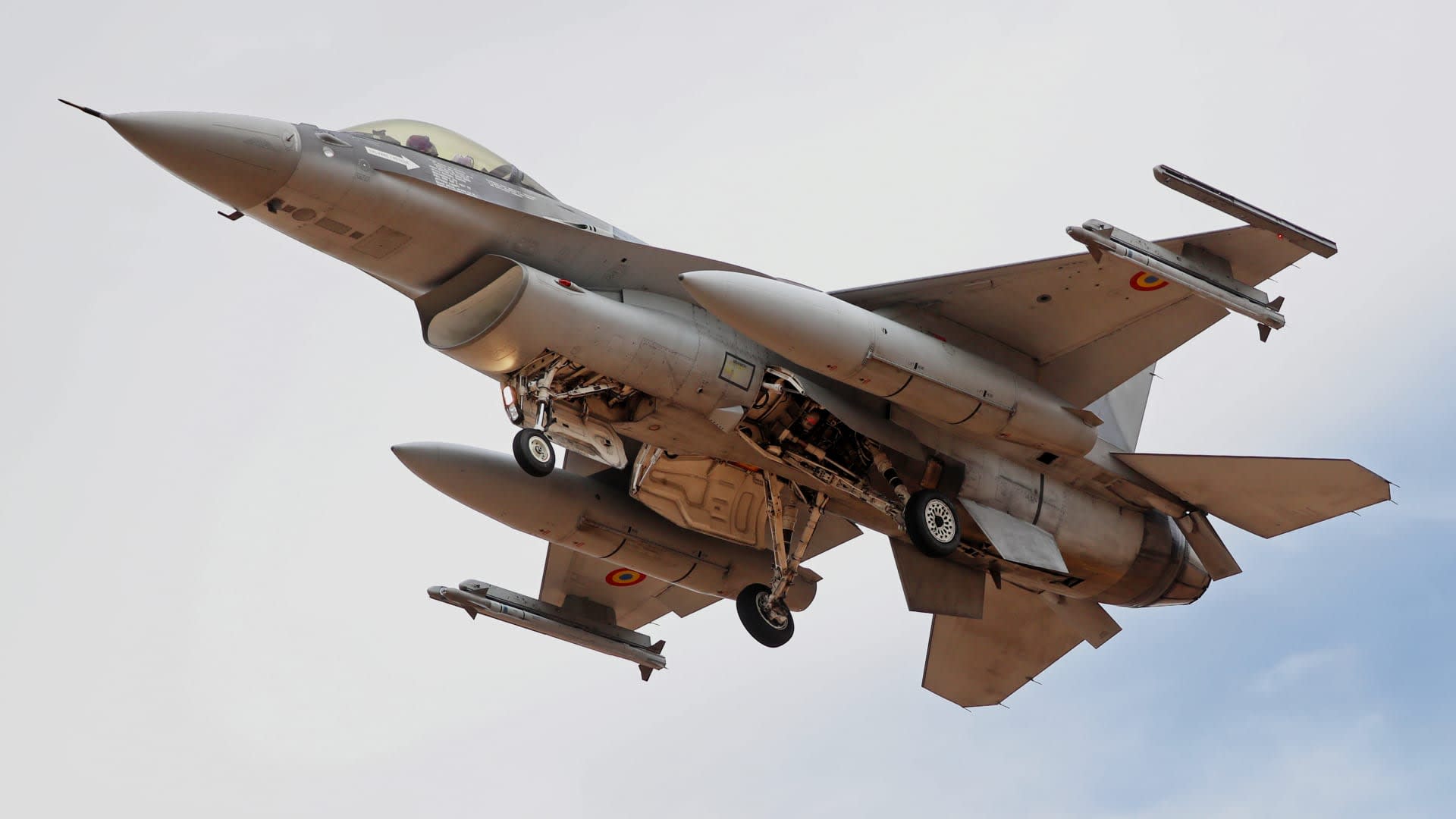
Romania scrambled F-16 jets to destroy a marine drone near the strategic Neptun Deep gas project in the Black Sea. This incident highlights the growing threat of regional conflict spilling over into critical European energy infrastructure.
Escalating Maritime Tensions in the Black Sea
The recent deployment of Romanian F-16 fighter jets to intercept and destroy a marine drone near the Neptun Deep gas project marks a significant escalation in the ongoing regional instability caused by the war in Ukraine. This incident, confirmed by defense officials, occurred in the Black Sea, a region that has become a flashpoint for geopolitical friction. By targeting a marine drone in close proximity to a vital energy asset, the event underscores the precarious nature of security for critical infrastructure situated in contested maritime zones.
The Strategic Importance of Neptun Deep
The Neptun Deep gas project represents a cornerstone of Romania’s future economic and energy strategy. As the country aims to become the largest natural gas producer in Europe, the security of this offshore infrastructure is paramount. The presence of unidentified unmanned systems near such facilities suggests that energy independence projects are increasingly viewed as strategic targets or points of leverage by adversarial actors, necessitating a heightened state of military readiness along the Romanian coastline.
A Pattern of Border Incursions
This latest development does not occur in a vacuum; it follows a series of troubling incidents involving Russian assets within Romanian airspace and territorial waters. The fact that the Romanian Air Force has successfully destroyed multiple drones in recent weeks highlights a persistent pattern of incursions. These repeated breaches of sovereign territory force NATO member states to maintain a high level of surveillance and rapid response capabilities, stretching defense resources and complicating regional diplomatic relations.
Vulnerability of Critical Infrastructure
The incident serves as a stark reminder of the vulnerability of modern energy infrastructure to unconventional, low-cost warfare. Marine drones, which are difficult to detect and track, pose a unique challenge to traditional naval and aerial defenses. The ability of such technology to threaten multi-billion dollar energy projects implies that the future of maritime security will require more sophisticated, integrated defense systems capable of identifying and neutralizing small-scale unmanned threats before they reach critical facilities.
Broader Geopolitical Implications
As a NATO member, Romania's direct confrontation with these threats carries broader implications for the collective security of the alliance. The alliance has been increasingly focused on protecting the Black Sea region, which serves as a vital corridor for energy and grain shipments. The persistent threat to Romanian infrastructure forces NATO to re-evaluate its deterrence strategies in Eastern Europe and signals that the spillover effects of the Ukraine conflict are evolving into a long-term security challenge for the continent.
Future Outlook for Regional Security
Looking ahead, it is likely that Romania will continue to bolster its military footprint in the Black Sea to protect its economic interests. The integration of advanced F-16 capabilities for maritime patrol and the potential for increased NATO-led surveillance missions are expected to become the new normal. The focus will remain on identifying the origin and intent of these incursions while ensuring that the development of Neptun Deep continues despite the elevated risk of maritime interference.