USCIRF seeks sanctions against RSS, no high-level meetings with its leaders
Source Entity
India Latest News: Top National Headlines Today & Breaking News | The Hindu
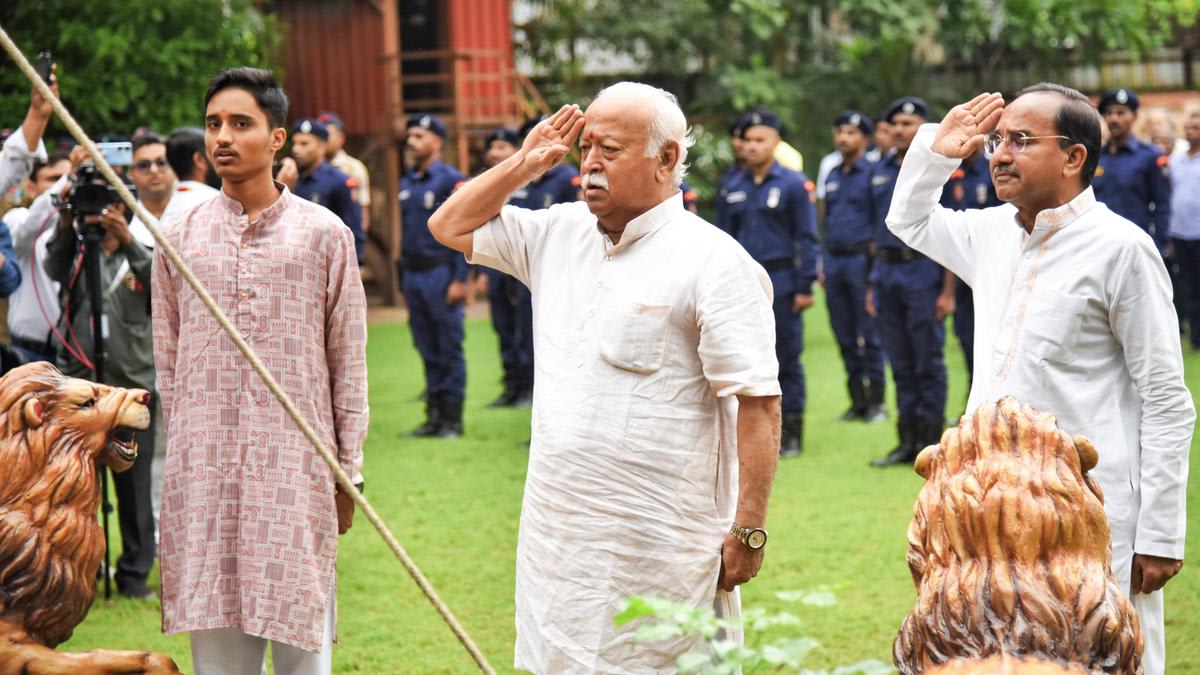
The U.S. Commission on International Religious Freedom has urged the U.S. government to sanction RSS leaders ahead of Mohan Bhagwat's upcoming three-nation tour. Conversely, 100 Canadian groups have petitioned to support the visit, citing its importance to the Hindu community.
Diplomatic Tension Surrounding RSS Chief's Western Tour
The upcoming international tour of Rashtriya Swayamsevak Sangh (RSS) chief Mohan Bhagwat, scheduled to begin on August 25, has become a focal point of intense geopolitical and social debate. As Bhagwat prepares to visit the United States, Canada, and the United Kingdom, his itinerary has triggered conflicting responses from civil society organizations and official U.S. advisory bodies, highlighting deep-seated disagreements regarding the organization's role and influence.
The USCIRF Stance on Sanctions
The United States Commission on International Religious Freedom (USCIRF), an independent, bipartisan federal government commission, has formally urged the U.S. government to refrain from extending diplomatic courtesies to RSS leadership. USCIRF chair Asif Mahmood and Commissioner Gene Mills have explicitly called for sanctions against members of the organization. Their opposition is rooted in allegations that the RSS serves as an umbrella group for entities involved in attacks against religious minorities, a claim that directly impacts the diplomatic reception of its leadership during their North American travels.
Polarization in Canada
While the U.S.-based commission has advocated for a restrictive approach, the reaction in Canada has been marked by a significant counter-movement. A coalition of 100 groups has emerged to actively support Bhagwat’s visit, urging the Canadian government to reject any calls to block the tour. These supporters argue that the visit is of "considerable interest" to Canada’s Hindu community, framing the event as a necessary engagement for the diaspora rather than a political controversy.
The 'Universal Oneness' Context
Central to the U.S. portion of the tour is the ‘Universal Oneness Celebrations,’ an event organized by the American Hindus for Engagement and Dialogue (AHEAD) slated for August 29 in New York. This event serves as the primary platform for Bhagwat's presence in the U.S. The juxtaposition of this celebratory intent with the USCIRF’s demand for sanctions underscores the friction between cultural engagement initiatives and international religious freedom oversight.
Broader Implications for India-West Relations
The debate over Bhagwat’s visit carries broader implications for India’s diplomatic relations with the West. Because the RSS is closely linked to the political establishment in India, including Prime Minister Narendra Modi, criticisms leveled by bodies like the USCIRF are often viewed as indirect commentary on the current Indian administration. This creates a complex landscape where the U.S. and its allies must navigate the balance between maintaining strong strategic ties with India and adhering to their own domestic mandates regarding human rights and religious freedom advocacy.
Future Trends in Diaspora Engagement
Looking forward, this event signals a growing trend of the Indian diaspora becoming more active in influencing Western policy toward Indian organizations. As diaspora groups increasingly organize to support or oppose specific political figures, Western governments will likely face mounting pressure to navigate these competing domestic lobbies. The outcome of the upcoming tour will serve as a bellwether for how the U.S., Canada, and the U.K. handle the intersection of international religious freedom concerns and the diplomatic realities of engaging with influential Indian social and political organizations.
Multiple Citing Sources
Verification Required?