Roof collapse in Rajasthan school catches Cockroach Janta Party’s attention
Source Entity
Parul Kulshrestha
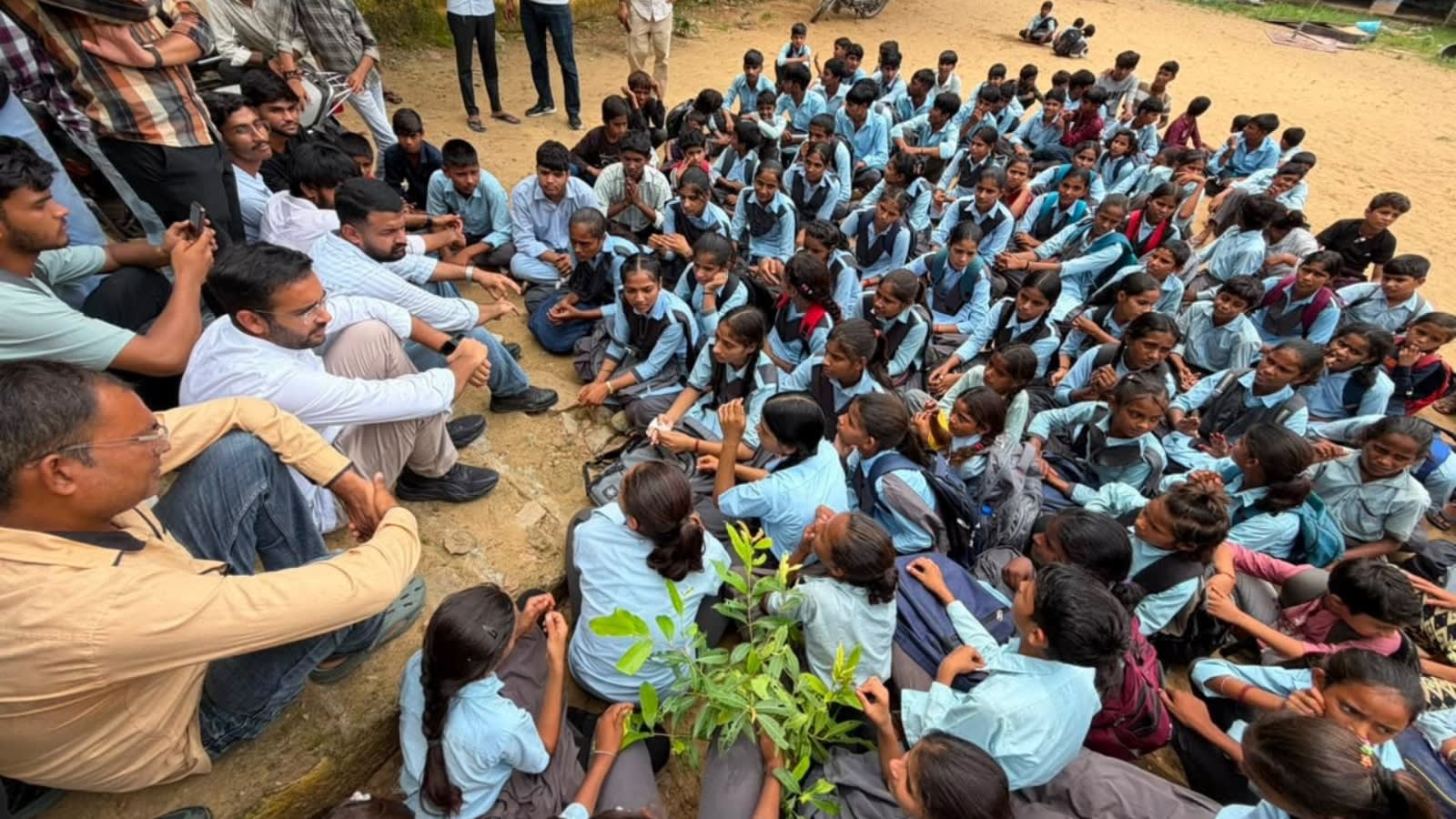
A roof collapse at a government school in Rajasthan's Alwar district has sparked student protests and political intervention. The Cockroach Janta Party has demanded urgent infrastructure repairs and improved connectivity for the school.
Infrastructure Failure at Jodhawas Government School
On Thursday, August 13, a significant section of a roof collapsed at a government school located in Jodhawas village, Alwar, Rajasthan. While the incident resulted in no physical injuries, the collapse serves as a stark reminder of the deteriorating state of public educational infrastructure in rural India. The room affected by the collapse had reportedly been cordoned off for over a year due to its unsafe condition, highlighting a long-standing neglect of maintenance protocols.
Student-Led Activism and Public Outcry
The collapse acted as a catalyst for student mobilization in Thanagazi town. Frustrated by the lack of institutional response to their repeated requests for infrastructure improvements, students organized a spontaneous protest within the school compound. The circulation of video footage documenting this unrest underscored the growing impatience among students regarding their learning environment, effectively forcing the local administration to acknowledge the severity of the situation.
Political Intervention by the Cockroach Janta Party
The protest successfully drew the attention of the Cockroach Janta Party (CJP), a political entity that intervened in the matter the following day. CJP spokesperson Ashutosh Ranka, along with party representatives, visited the site to show solidarity with the students. This move indicates a strategic pivot by the party to leverage local civic grievances to gain visibility and challenge the incumbent administration’s management of rural services.
Demands for Systemic Reform
Beyond the immediate need for structural repairs to the school building, the CJP delegation pushed for broader systemic improvements, specifically citing the dire need for better road connectivity to the school. This demand highlights the interconnected nature of rural development; without adequate infrastructure, access to education remains hindered, and the safety of students is compromised during their daily commute.
Broader Implications for Rural Governance
This incident in Alwar reflects a recurring theme in Indian governance where local infrastructure often falls into disrepair until a crisis forces public intervention. The reliance on protest to elicit a response from authorities suggests a breakdown in the standard channels of communication between rural educational institutions and the district administration. Moving forward, the pressure exerted by both the students and the CJP will likely dictate whether the state government prioritizes the rehabilitation of such schools or allows the cycle of neglect to continue.
Conclusion
The Jodhawas school collapse is a microcosm of the challenges facing rural infrastructure in Rajasthan. While the immediate danger was mitigated by the room's prior closure, the event has successfully shifted the focus toward the accountability of local officials. The future of this institution now rests on whether the administration honors the demands for comprehensive repairs and improved access, ensuring that rural students are provided with a safe and functional learning environment.