Kaliningrad attack prep begins? Russia’s missile arsenal expands with 800-km weapon, Europe stunned
Source Entity
Latest News: Todays Latest News Headlines from India & World | Hindustan Times | Hindustan Times
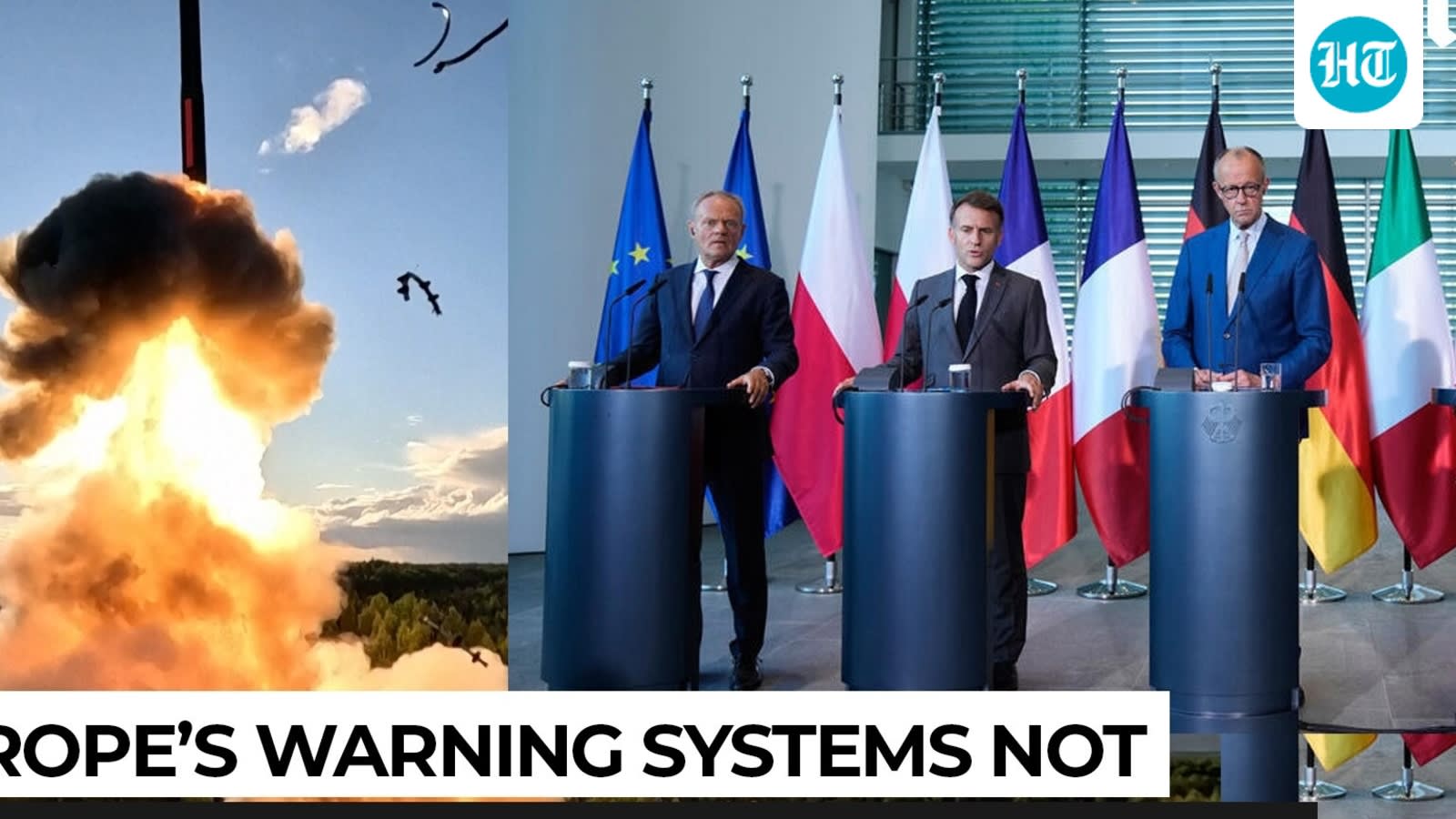
Russia has reportedly developed a new ballistic missile with an 800-km range, potentially increasing its strike capabilities against Europe from the Kaliningrad exclave. This development marks a significant escalation in tensions between Moscow and NATO.
The Strategic Expansion of Russia's Missile Capabilities
Recent reports from Ukrainian military intelligence have signaled a concerning shift in the European security landscape: the emergence of a new Russian ballistic missile capable of striking targets up to 800 kilometers away. This technological development is not merely an incremental upgrade to Russia’s existing arsenal; it represents a deliberate effort to enhance Moscow's reach, specifically concerning its ability to project power into Central and Western Europe from its westernmost territories.
The Strategic Significance of Kaliningrad
The focus on Kaliningrad as a potential launch platform for this new weaponry highlights the exclave’s unique position in modern geopolitical friction. Sandwiched between NATO members Poland and Lithuania, Kaliningrad serves as a critical Russian 'bastion' in the Baltic region. By deploying longer-range strike assets to this territory, Moscow effectively increases the pressure on NATO’s eastern flank, forcing alliance members to reconsider their missile defense postures and regional security arrangements.
Implications for NATO Security
For NATO, the arrival of an 800-km range weapon introduces a new variable into the calculus of deterrence. The ability to strike deep into European territory from a hardened, heavily militarized exclave complicates the alliance's defensive strategy. This capability forces NATO to account for a broader range of potential tactical threats, potentially necessitating an increase in air defense investments and a more robust presence in the Baltic states to mitigate the risk of a surprise strike.
The Escalation of Regional Tensions
This development occurs against a backdrop of already severely strained relations between Russia and the West. As Moscow seeks to expand its ballistic arsenal, the move is interpreted by many analysts as a signaling mechanism intended to demonstrate military endurance despite ongoing international sanctions. By signaling an increase in strike reach, Russia aims to assert its influence over European security architecture and discourage further regional integration with Western defense frameworks.
Future Trends and Strategic Outlook
Looking ahead, the deployment of such weapons will likely dictate the next phase of the arms race in Eastern Europe. If Russia continues to prioritize the expansion of its theater-range ballistic capabilities, we can expect a corresponding increase in Western defense spending and a shift toward more advanced, mobile interceptor systems. The 'Kaliningrad factor' will remain a primary focus for intelligence agencies, as the enclave continues to serve as the frontline of a high-stakes standoff between two nuclear-armed powers.
Verification Required?