Russia’s Diesel Exports Crash to Multiyear-Low amid Tight Global Market
Source Entity
Yahoo Finance
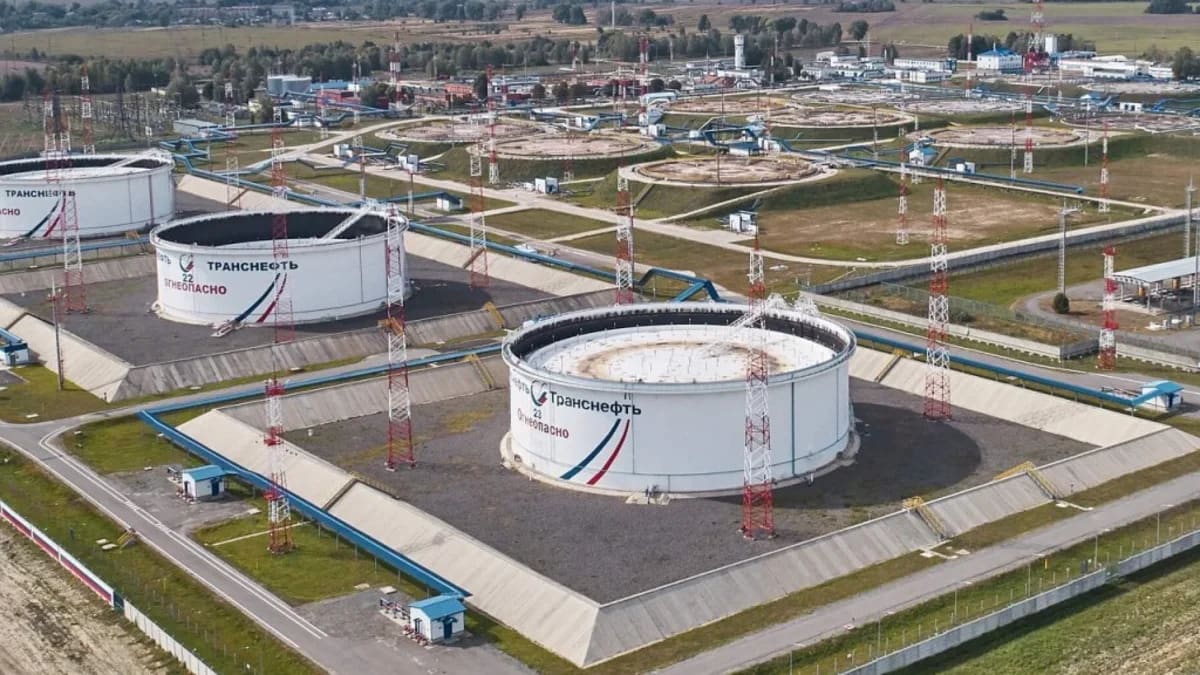
Russia's diesel exports have plummeted to multi-year lows due to Ukrainian drone strikes on refineries, tightening global fuel markets. Simultaneously, Russia continues to dominate India's oil imports, supplying over 50% of the nation's needs despite fluctuating monthly volumes.
The Dual Crisis: Russian Refining and Global Energy Shifts
Refining Infrastructure Under Siege
The global energy landscape is currently witnessing a significant contraction in supply as Russia’s diesel and gasoil exports plummeted to a mere 80,000 barrels per day (bpd) during the first week of August. This figure represents a dramatic collapse from the 1 million bpd observed during the same period last year. The primary driver behind this downturn is a sustained and strategic campaign by Ukraine, which has utilized drones to target critical Russian oil refining infrastructure and supply routes. By disrupting the internal processing capabilities of the Russian state, these attacks have effectively forced Moscow to prioritize domestic fuel needs over international commitments.
Impacts on the Global Middle Distillate Market
The sudden scarcity of Russian diesel has profound implications for the global market. Middle distillates, which include diesel and heating oil, are currently experiencing a state of tightness that far exceeds that of crude oil. As Russia was historically a dominant supplier of these refined products, the evaporation of their export capacity during a peak demand season creates a volatility premium that could lead to higher prices for consumers worldwide. This supply crunch highlights the vulnerability of global energy chains to geopolitical conflicts that shift from targeting crude extraction to attacking downstream refining assets.
Russia’s Pivot to the Indian Market
Even as refining constraints limit diesel exports, Russia remains a primary supplier of crude oil to India. Recent data indicates that Russia captured a record-breaking share of the Indian market, accounting for over 50% of the country's total import volumes last month. Exporting approximately 2.47 million barrels daily to India represents a 62.4% surge compared to the previous year. This relationship has become a cornerstone of the global oil trade, as India—the world's third-largest oil buyer—seeks to capitalize on discounted Russian crude despite the expiration of certain U.S. sanction waivers.
Navigating Sanctions and Trade Dynamics
The persistence of these high-volume flows to India, even in the face of international scrutiny, demonstrates the resilience of the Russia-India energy corridor. While the July volumes of 2.47 million bpd represent a slight cooling from June’s record-breaking 2.6 million bpd, the overall trend remains firmly upward. This shift in trade routes reflects a broader geopolitical realignment where traditional Western buyers have been replaced by Asian markets, allowing Moscow to maintain revenue streams despite the ongoing disruption of its domestic refining sector.
Future Outlook and Strategic Implications
Looking ahead, the stability of global energy prices will likely hinge on the duration of the conflict and the success of Russian efforts to repair its damaged refinery infrastructure. If the drone campaign continues to suppress diesel output, the global middle distillate market will face sustained pressure, potentially forcing other nations to seek alternative supply sources. Simultaneously, the dependency of India on Russian crude suggests that this trade bloc will remain a permanent feature of the post-2022 energy market. Experts expect that as long as the price incentives remain, India will continue to serve as a vital destination for Russian crude, buffering Moscow against the full impact of global isolation.