Russia sends 'doomsday' aircraft to Iran as Middle East tensions escalate
Source Entity
TOI DEFENCE DESK
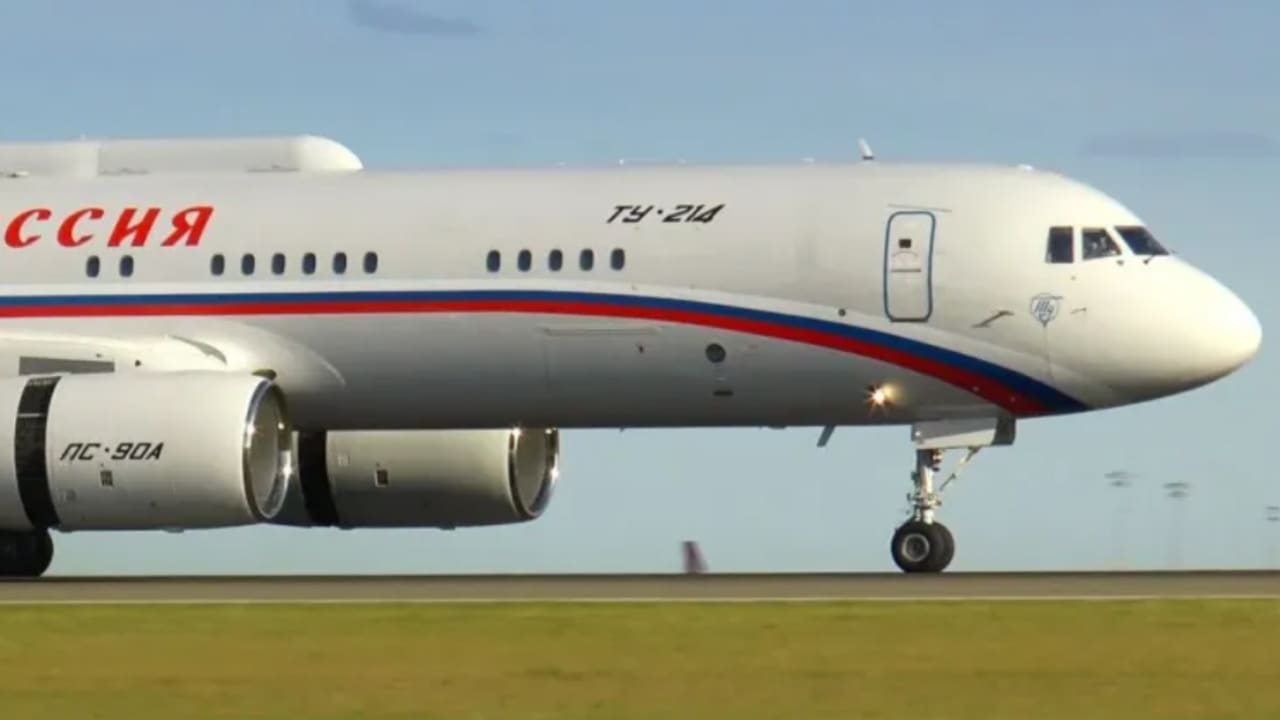
The Tu-214PU is designed to function even in high-threat environments. Why the Tu-214PU matters Flight comes amid widening regional conflict Russia has sent one of its most secure airborne comm...
Russia's Strategic Deployment: The Tu-214PU in Iran
In a move that has sent ripples through the international diplomatic and intelligence communities, Russia has deployed a Tu-214PU airborne command post—colloquially known as a 'doomsday aircraft'—to Iran. This deployment occurs against a backdrop of severely escalating tensions in the Middle East, where the risk of a wider regional conflict has reached a critical threshold. The arrival of such a specialized asset is not merely a routine diplomatic visit but a potent signal of the deepening military and strategic alignment between Moscow and Tehran.
Understanding the 'Doomsday' Aircraft
The Tu-214PU is not a weapon of mass destruction, despite its ominous nickname; rather, it is a sophisticated, flying command-and-control center. Designed to operate in high-threat environments, the aircraft is equipped with secure, hardened communication systems that allow the Russian leadership to maintain contact with its nuclear triad and conventional forces even if ground-based infrastructure is neutralized by a first-strike attack. By deploying this specific aircraft to Iran, Russia is demonstrating its capability to project secure, high-level command authority far beyond its own borders, effectively extending its strategic umbrella over its Iranian partners.
The Moscow-Tehran Strategic Axis
This deployment must be viewed within the broader context of the evolving partnership between Russia and Iran. Over the last several years, the two nations have moved from tactical cooperation to a comprehensive strategic alliance, driven by mutual opposition to Western hegemony and shared sanctions regimes. From the exchange of military technology and drones to coordinated diplomatic efforts, the relationship has matured rapidly. The presence of the Tu-214PU in Iranian airspace suggests that this cooperation has now entered a phase of high-level contingency planning, where the two nations are coordinating their responses to potential catastrophic escalations in the region.
Deterrence and Regional Instability
From a geopolitical perspective, the deployment serves as a calculated act of deterrence. By placing a secure command asset in the region, Russia signals to the United States and Israel that it is prepared to support Iran during a high-intensity conflict. This move complicates the strategic calculus for Western powers, as it introduces a layer of Russian oversight and potential intervention into the Middle Eastern theater. The 'doomsday' plane acts as a psychological tool, suggesting that the Russian leadership is anticipating a scenario where standard communication channels may fail, thereby preparing for a 'worst-case' military engagement.
Implications for Future Conflict Trends
Looking forward, this event likely foreshadows a more integrated air-defense and command structure between Russia and Iran. We can expect an increase in joint exercises and the possible permanent stationing of advanced Russian electronic warfare or surveillance assets in the region. As the Middle East remains a powder keg, the use of the Tu-214PU indicates that Russia is no longer content with being a distant supplier of arms but is instead positioning itself as a primary security guarantor for the Iranian regime, potentially altering the balance of power in the Persian Gulf and Levant.
Summary of Strategic Impact
In conclusion, the deployment of the Tu-214PU to Iran is a high-stakes gambit that underscores the volatility of current Middle Eastern geopolitics. It transforms the Russia-Iran relationship from one of convenience to one of strategic interdependence. While the aircraft provides a safety net for command and control, its presence serves as a stark reminder to the world that the risk of a large-scale, coordinated conflict involving major global powers is an active consideration for the Kremlin.