UK military sites in Russia's crosshairs? Kremlin's stark warning to London
Source Entity
ABHISHEK MISHRA
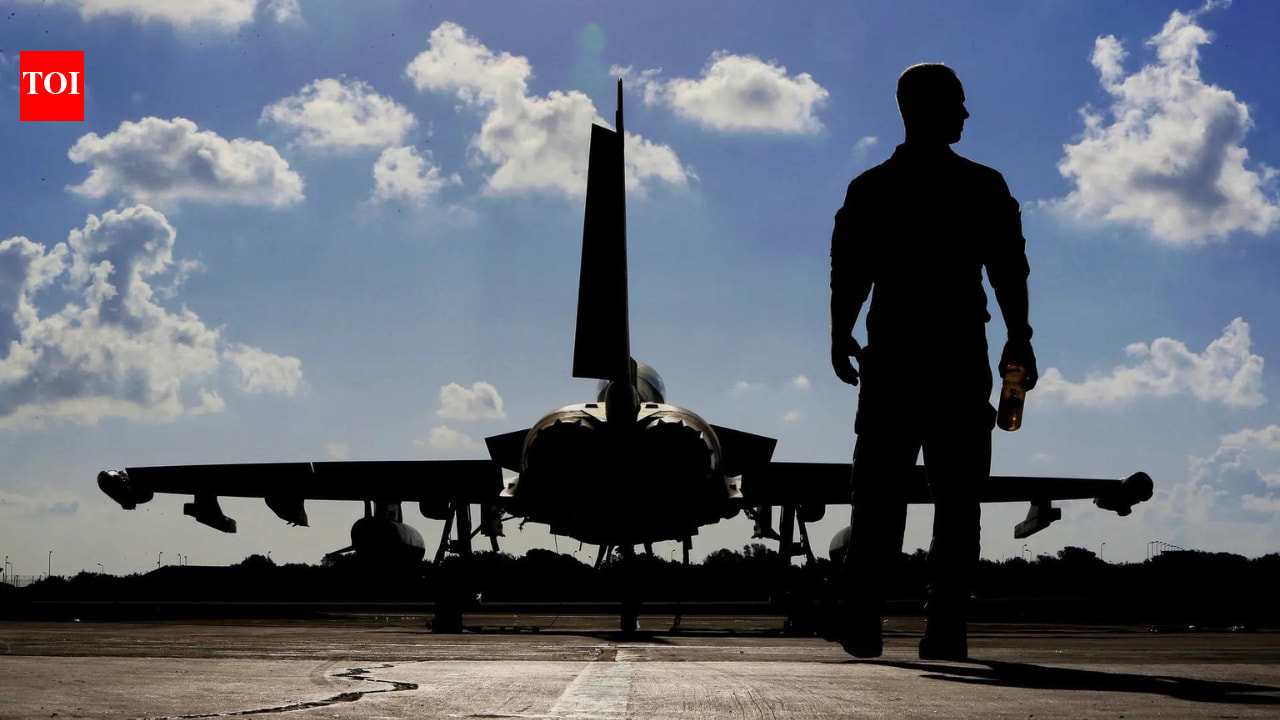
Russia has issued a stark warning to the UK, threatening to strike British military targets globally in response to Ukraine's use of British-supplied missiles. The Kremlin warns that continued Western military support risks escalating the conflict to an unprecedented level.
The Escalating Rhetoric: Russia's Warning to the United Kingdom
A New Phase of Confrontation
The recent warning issued by the Russian Foreign Ministry, articulated by spokeswoman Maria Zakharova, marks a significant intensification in the diplomatic and strategic friction between Moscow and London. By explicitly stating that Russia could target British military sites both "inside and outside Ukraine," the Kremlin has signaled a departure from previous warnings, moving toward a more direct threat against Western infrastructure. This development follows Prime Minister Andy Burnham’s visit to Kyiv, which served as a high-profile demonstration of continued British support for the Ukrainian government on its Independence Day.
The Catalyst: Western Missile Technology
At the core of this heightened tension is the deployment of British-supplied missile technology by Ukrainian forces. Russia has characterized these shipments as "playing with fire," arguing that the provision of long-range, sensitive weaponry effectively makes the United Kingdom a direct participant in the conflict. The Russian perspective, as voiced by Zakharova, posits that such actions cross a strategic red line, necessitating a response that extends beyond the current theater of war in Eastern Europe.
Geopolitical Implications
The threat to strike targets "outside Ukraine" is a calculated attempt to deter Western nations from deepening their military commitment to Kyiv. By threatening assets potentially located on British soil or in other operational regions, Moscow is attempting to leverage the fear of a broader, uncontrolled escalation to force a policy shift in London. This rhetoric is designed to test the resolve of the new British administration and create domestic pressure within the UK regarding the risks of continued military involvement.
Historical Context and Strategic Signaling
This exchange is consistent with Russia's long-standing strategy of using nuclear and conventional threats to manage Western involvement in the Ukraine conflict. Throughout the war, Moscow has frequently utilized inflammatory language to define the boundaries of what it considers acceptable Western support. However, by specifically naming the United Kingdom and threatening external military sites, Russia is signaling that the "hybrid" nature of the conflict is nearing a breaking point that could require a tactical reassessment from NATO members.
Future Trends and Security Outlook
Looking ahead, the security landscape appears increasingly volatile. If the Kremlin translates these verbal warnings into kinetic action, it would represent a historic shift in the conflict, potentially triggering Article 5 of the North Atlantic Treaty. Conversely, if these threats remain purely rhetorical, they may serve as a psychological tool to influence upcoming diplomatic negotiations. Regardless of the immediate outcome, the reliance on advanced foreign missile technology ensures that the UK and Russia remain on a collision course, with the risk of miscalculation growing as the conflict progresses.