Russia-Ukraine war: 10 reasons why peace remains elusive and how the conflict could end
Source Entity
TIMESOFINDIA.COM
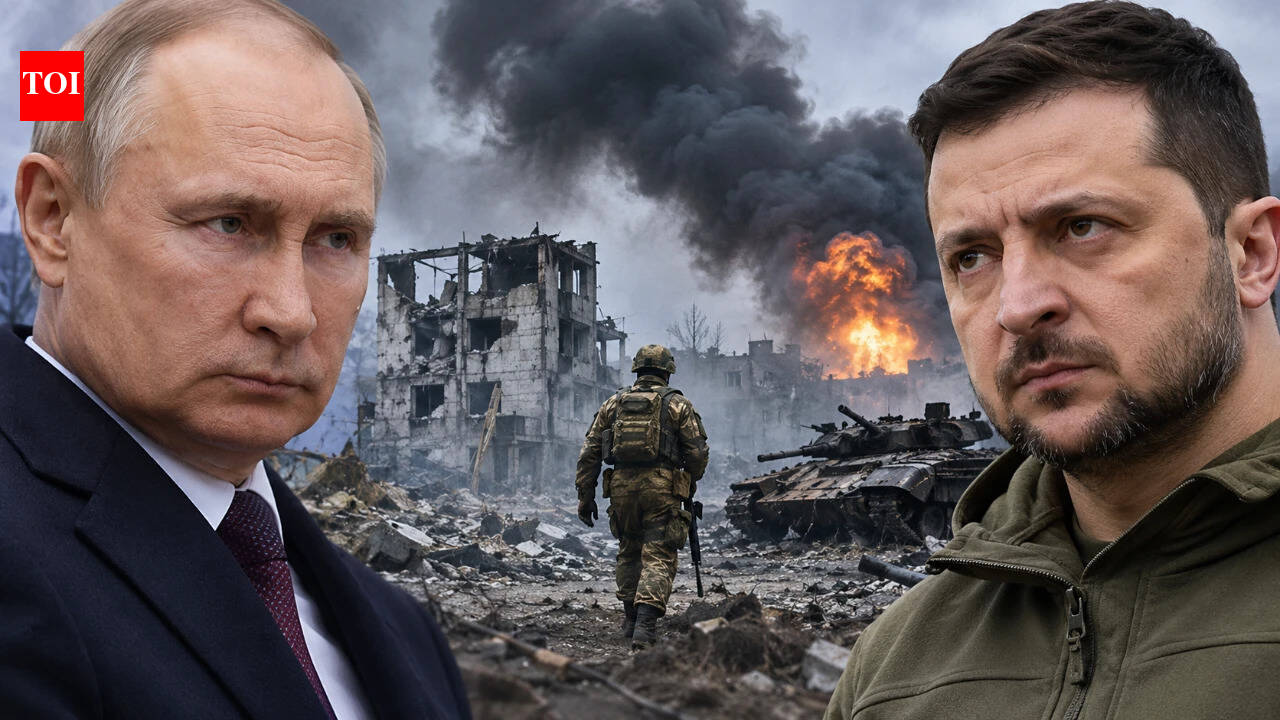
The Russia-Ukraine conflict remains deadlocked due to fundamental disagreements over NATO membership, territorial sovereignty, and a lack of mutual trust. As the war of attrition persists, the absence of viable security guarantees continues to prevent a lasting ceasefire.
The Impasse of the Russia-Ukraine Conflict
The ongoing conflict between Russia and Ukraine has evolved into a protracted struggle that continues to reshape the geopolitical landscape of Eastern Europe. At its core, the war is driven by fundamentally divergent visions for Ukraine’s future, with Russia seeking to maintain a sphere of influence and Ukraine asserting its right to sovereign alignment with Western institutions.
The NATO and Territorial Deadlock
One of the primary obstacles to peace remains Ukraine's aspiration for NATO membership. Russia views this potential expansion as an existential threat to its security, while Kyiv views it as the only viable deterrent against future aggression. This impasse is further complicated by intractable territorial disputes, specifically concerning Crimea and the Donbas region. These areas serve as symbolic and strategic focal points that neither side has shown a willingness to concede, effectively freezing any potential for a diplomatic breakthrough.
The Erosion of Trust and Security Guarantees
Trust between the warring parties has effectively collapsed, making a negotiated settlement increasingly difficult to envision. Ukraine demands robust international security guarantees to prevent future incursions, a concept that Moscow vehemently opposes, viewing such arrangements as a proxy for NATO involvement. Without a mechanism that both sides trust to uphold a ceasefire, the momentum remains firmly fixed on military objectives rather than diplomatic dialogue.
War of Attrition and Global Implications
Currently, the conflict has settled into a brutal war of attrition. The mounting human cost, while tragic, has not yet translated into sufficient domestic pressure within either country to force a settlement. Meanwhile, the international community remains deeply involved; European nations fear that a Russian military advantage could destabilize the broader continent, leading to sustained support for Ukraine through sanctions and partnerships.
Energy and Economic Warfare
Energy infrastructure attacks and the imposition of international sanctions have become primary tools of warfare, extending the conflict beyond the front lines. These economic pressures are intended to degrade the opponent's capacity to sustain the war effort, yet they have also forced both nations to deepen their respective international alliances, further globalizing the stakes of the conflict.
Future Outlook
Looking ahead, the resolution of this conflict appears elusive. As long as the fundamental security concerns of both parties remain diametrically opposed and the battlefield situation does not provide a decisive advantage to either side, the cycle of violence is likely to persist. Any path to peace will require not just a cessation of hostilities, but a complex architecture of security that addresses the core grievances that triggered this crisis in the first place.