Russian strikes kill 7 in Kyiv; weak air defence keeps Ukraine under pressure
Source Entity
PRANJAL PANDEY
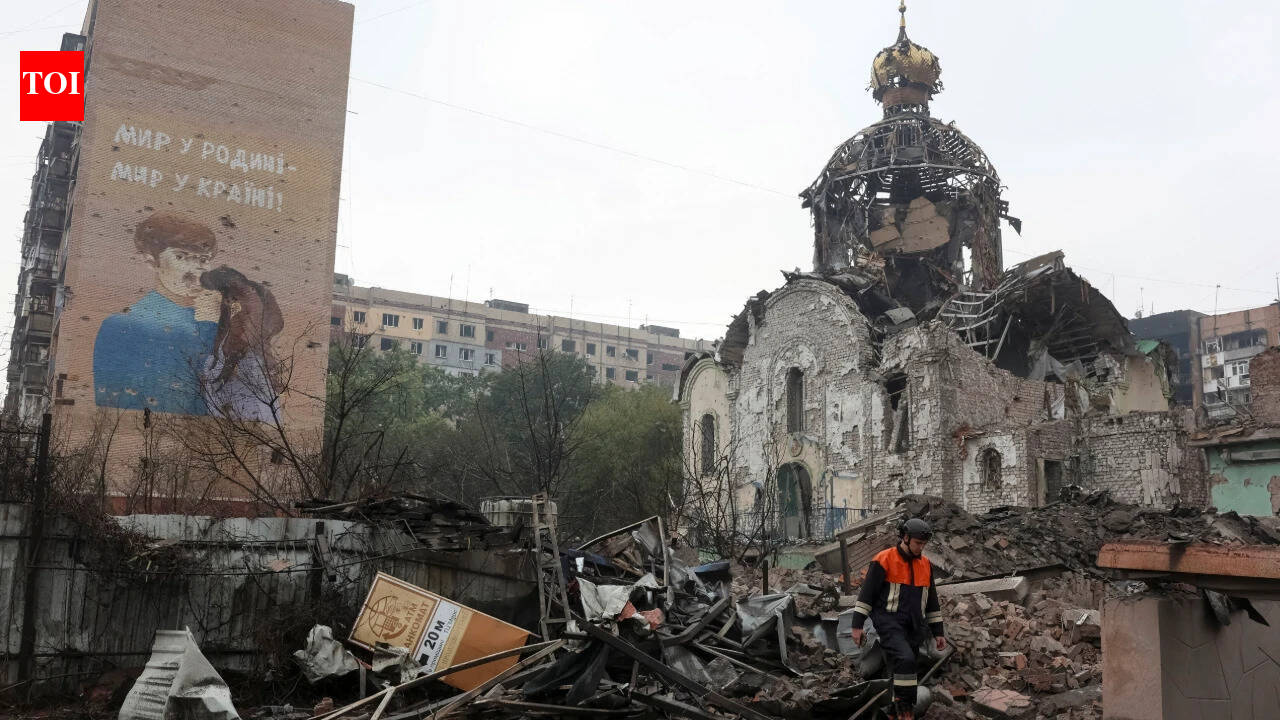
Russian drone and missile strikes on Kyiv's energy infrastructure have killed seven people, signaling a potential escalation in winter warfare. Prime Minister Serhii Koretskyi highlighted the unprecedented scale of this recent assault, which has caused widespread power outages.
Escalation in Kyiv: The Weaponization of Winter
Recent reports confirm a devastating escalation in the conflict as Russian drone and missile strikes targeted Kyiv’s critical energy infrastructure, resulting in the tragic deaths of seven individuals. This latest assault marks a significant shift in the intensity of hostilities, with Ukrainian Prime Minister Serhii Koretskyi noting that while energy sites have been targeted consistently since the summer, the scale of this recent combined-weapon attack is unprecedented since the conclusion of the last heating season.
The Strategic Shift to Energy Warfare
The systematic targeting of power grids serves a clear, calculated strategic purpose. By focusing on energy infrastructure as temperatures begin to drop, Russia is effectively attempting to "weaponise winter." This tactic is designed to cripple the logistics and morale of the Ukrainian populace and military by depriving them of electricity, heating, and essential services during the coldest months of the year. The consistency of these strikes suggests a long-term plan to exhaust Ukraine's civil and industrial resilience.
Vulnerability and Air Defense Constraints
Central to this crisis is the persistent vulnerability of Kyiv’s air defense systems. Despite the ongoing efforts to bolster defenses, the sheer volume and varied nature of the incoming drones and missiles have put immense pressure on existing capabilities. The inability to intercept every incoming projectile creates gaps in protection that directly correlate to the loss of civilian life and the degradation of national infrastructure. The recurring nature of these strikes underscores the critical need for more robust and diverse defensive technologies.
Humanitarian and Economic Impact
The immediate consequence of these strikes is both humanitarian and economic. With seven lives lost and widespread power cuts reported, the civilian population faces an increasingly precarious situation. Beyond the human toll, the destruction of energy nodes forces the state to divert resources toward emergency repairs rather than economic development or military defense. This creates a cycle of degradation that complicates the nation's ability to sustain daily life under the persistent threat of aerial bombardment.
Broader Implications and Future Trends
Looking ahead, this intensification suggests that the upcoming months will likely see a sustained, high-pressure campaign against Ukraine’s grid. The international community is observing these developments with concern, as the "weaponization of winter" represents a move toward total attrition. Unless there is a significant shift in the efficacy of air defenses or international support, the structural integrity of Ukraine’s energy sector will remain under extreme duress, potentially forcing further humanitarian challenges as the winter season deepens.
Conclusion
The recent attacks on Kyiv represent a grim milestone in the ongoing conflict. By shifting focus toward the large-scale destruction of energy infrastructure, the conflict has moved into a phase where the survival of the civilian population is directly tied to the resilience of the power grid. With seven lives already lost and the threat of further escalation, the situation in Kyiv serves as a stark reminder of the human cost of the war and the critical necessity for strengthened defensive measures.