School protests send shivers down French government's spine
Source Entity
BBC News
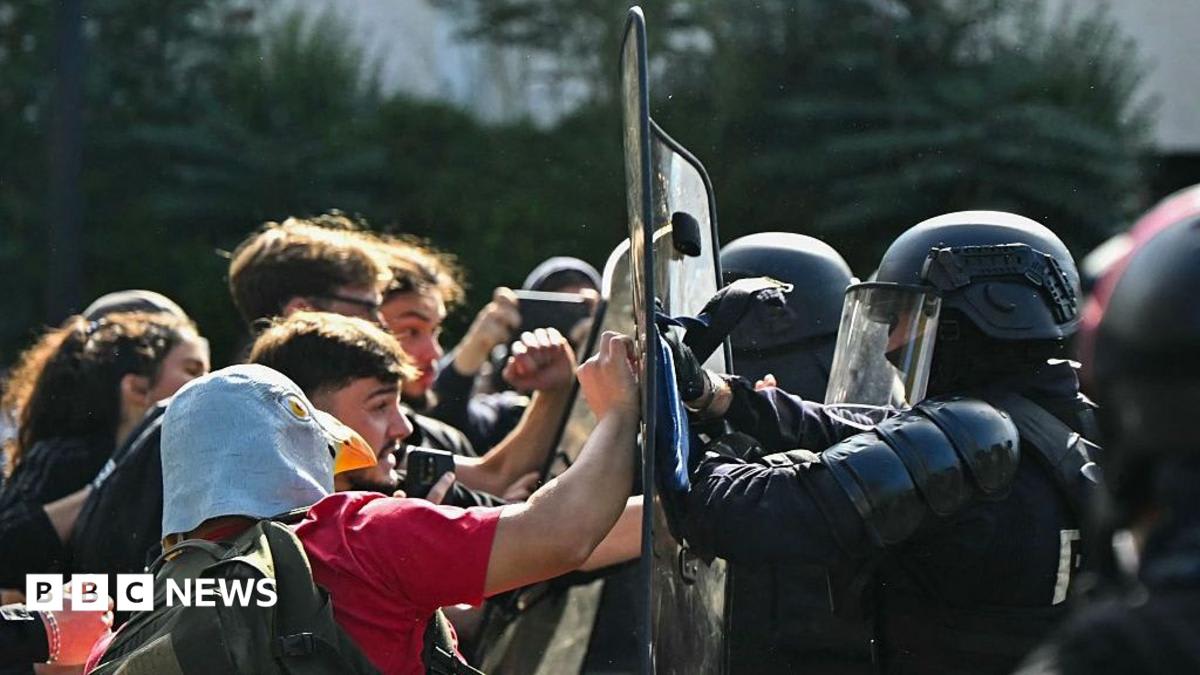
Violent student protests have forced the closure of hundreds of French high schools due to grievances over infrastructure and staffing. The government faces mounting pressure as the unrest escalates ahead of upcoming presidential elections.
The Resurgence of Student Unrest in France
France is currently grappling with a wave of widespread student protests that have led to the closure of hundreds of high schools across the nation. What began as localized expressions of discontent over deteriorating school conditions has rapidly escalated into a broader crisis, with over 1,000 schools affected and at least 400 forced to shut their doors entirely. The demonstrations, characterized by blockades and rallies, highlight deep-seated systemic frustrations regarding long school days, inadequate building maintenance, and critical teacher shortages.
Historical Context and Political Volatility
The French government’s acute sensitivity to student movements is deeply rooted in the nation's history, most notably the events of May 1968. President De Gaulle’s infamous characterization of those protests as chienlit—a term implying utter chaos—set a precedent for how French leadership views youth mobilization. History has taught successive administrations that when students take to the streets, they possess a unique power to catalyze wider social unrest by drawing sympathy from the general public and creating unpredictable, leaderless movements that are notoriously difficult to negotiate with.
Escalation and Public Safety
The situation took a dangerous turn as protests in cities like Belfort, Paris, and Strasbourg descended into violence. Reports indicate that at least 65 staff members have been injured, and the arrest of a 17-year-old on suspicion of attempted homicide following an attack on a police officer underscores the severity of the current climate. In response, authorities have deployed tear gas and riot police, tactics that students argue only serve to further inflame tensions and consolidate their resolve against the state.
The Structural Grievances
At the heart of the protests are structural issues that have long plagued the French education system. High school students are expressing exhaustion with schedules that can run from 8 a.m. to 6 p.m., a grueling pace that many argue is exacerbated by failing infrastructure and a lack of support staff. These grievances are not merely isolated complaints but represent a systemic failure that has left students feeling neglected, turning school campuses into flashpoints for broader societal dissatisfaction.
Implications for the Future
The timing of this crisis is particularly perilous for the French government, as presidential elections are slated to take place in the coming months. The government is now walking a precarious tightrope; any perceived overreaction by the police could trigger further backlash, while inaction risks allowing the chaos to spread. As the movement continues to evolve, the administration faces the daunting challenge of addressing the root causes of the educational crisis before the instability further impacts the electoral landscape and compromises public order.