Salman Khan gets Delhi HC notice over plea to stay his suit against Kala Hiran release
Source Entity
The Indian Express
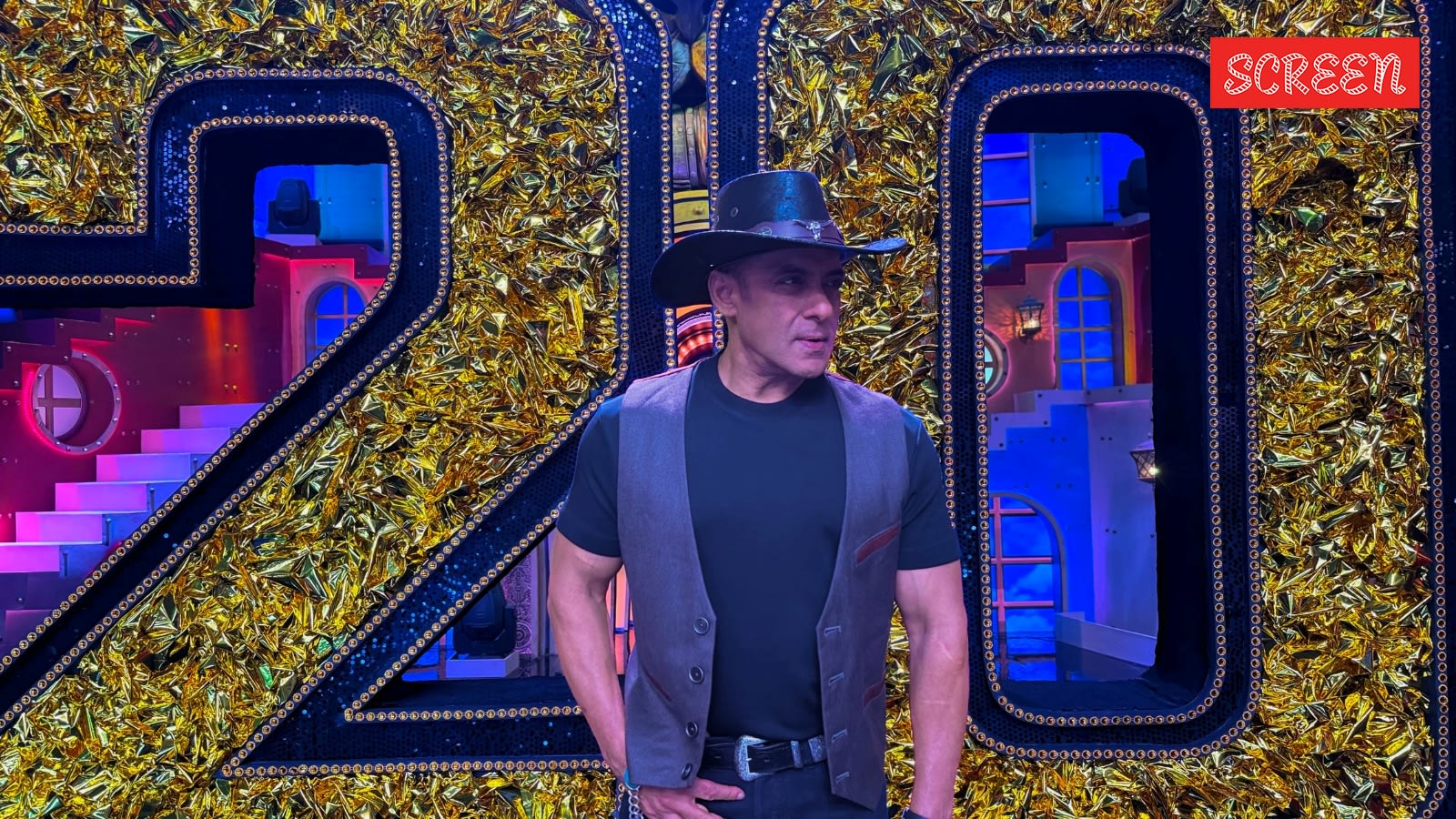
The Delhi High Court has issued a notice to actor Salman Khan regarding a plea to stay his lawsuit against the film 'Kala Hiran: The Battle for Legal'. The filmmakers argue that the actor's current suit overlaps with existing personality rights litigation, prompting concerns over parallel legal proceedings.
Legal Standoff: The Battle Over 'Kala Hiran'
The Delhi High Court has officially intervened in the ongoing legal dispute between Bollywood superstar Salman Khan and the makers of the film Kala Hiran: The Battle for Legal. Justice Anup Jairam Bhambhani has issued a formal notice to the actor, requesting his response to an application filed by the film's producer, Amit Jani. This development marks a significant escalation in the conflict, as the filmmakers are now actively seeking a stay on the proceedings initiated by Khan, which were originally intended to restrain the film's public release.
The Core of the Legal Conflict
At the heart of the matter lies the assertion by the producers that the current lawsuit filed by Salman Khan is redundant. Amit Jani argues that the issues surrounding the film—specifically its content, promotional materials, and the alleged infringement of personality rights—are already being addressed in a separate, pre-existing legal case. By highlighting the overlap between the two proceedings, the filmmakers aim to consolidate or halt the current suit to avoid the complications of parallel litigation.
Personality Rights and Judicial Precedent
This case underscores the growing importance of 'personality rights' in the Indian entertainment industry. These rights allow celebrities to protect their name, image, and likeness from unauthorized commercial exploitation. Given that the film is purportedly based on the actor, the legal battle centers on whether the creative depiction of a public figure crosses the threshold into violating their personal legal protections. The existence of an injunction granted in December 2025 further complicates the landscape, as it established a high-stakes precedent for how this specific project is handled in the judicial system.
Implications of Parallel Litigation
The concern regarding parallel litigation is a critical aspect of this judicial development. When two separate courts or benches handle identical issues, there is a risk of contradictory rulings, which could create a legal quagmire for both the production house and the actor. The Delhi High Court’s decision to seek a response from Salman Khan indicates a cautious approach to ensuring that judicial resources are used efficiently and that the principles of res judicata—the principle that a matter already adjudicated cannot be relitigated—are upheld.
Future Trends and Judicial Outlook
As the entertainment industry continues to produce content based on real-life events and public figures, cases like this will likely become more frequent. The outcome of the Kala Hiran dispute will serve as an essential reference point for future litigation involving celebrity rights versus creative freedom. If the court decides to stay the current proceedings, it would signal a trend toward stricter consolidation of lawsuits, forcing plaintiffs to address all grievances within a single, cohesive legal framework rather than filing multiple, fragmented claims.
Conclusion
The Delhi High Court’s notice is a pivotal step in resolving the procedural ambiguity surrounding the release of Kala Hiran. By forcing a response from Salman Khan, the court is positioning itself to determine whether the actor’s current suit is a necessary protection of his rights or an unnecessary duplication of existing legal battles. The industry will be watching closely to see how the court balances the protection of personality rights against the rights of filmmakers to produce content based on public interest narratives.