Samsung’s R95H TV shows what RGB LED is capable of
Source Entity
John Higgins
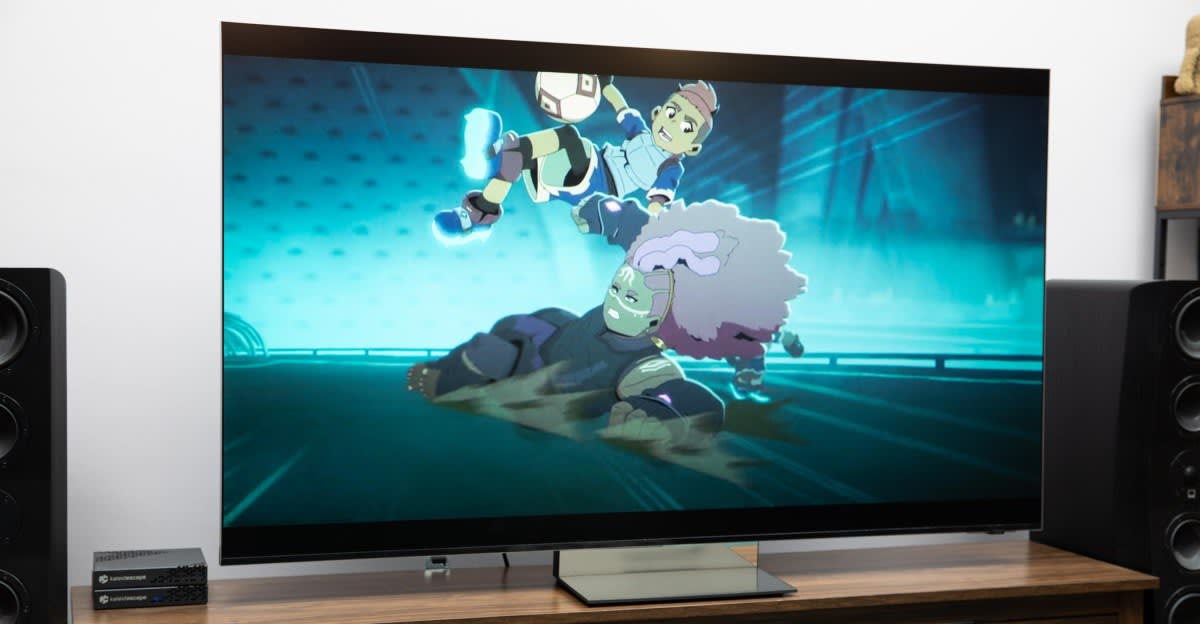
The Samsung R95H showcases the potential of RGB LED backlight technology, offering superior color accuracy and brightness. As these displays become more affordable in 2026, this model sets a benchmark for performance in bright room environments.
The Evolution of Backlight Technology: Samsung's R95H
The landscape of display technology has reached a significant turning point in 2026 with the mainstreaming of RGB LED backlight systems. For years, the industry has relied on variations of white LED backlights paired with color filters or quantum dot layers. The introduction of the Samsung R95H represents a fundamental shift by utilizing individual red, green, and blue LEDs to construct the backlight, a move that promises to solve long-standing limitations in color gamut and luminance control.
Why RGB LED Matters
Traditional LED-LCD televisions have historically struggled to achieve the pure color saturation found in OLED panels. By using dedicated red, green, and blue LEDs, the Samsung R95H bypasses the need for traditional conversion layers that can often mute color vibrancy. This granular control allows for a broader color spectrum, resulting in images that are not only more vivid but also more accurate. This development is a direct response to consumer demand for high-end performance at more accessible price points.
Performance in Challenging Environments
One of the most notable attributes of the R95H is its efficacy in well-lit rooms. High-brightness output is often a weakness for emissive display technologies, but the R95H leverages its RGB backlight structure to punch through ambient light. When paired with its specialized matte screen coating, the display minimizes reflections while maintaining color integrity, making it a versatile solution for living spaces that lack controlled lighting environments.
The Maturation of the Market
As RGB LED technology moves out of its infancy, the affordability factor noted in 2026 suggests that manufacturing processes have reached a level of scale that benefits the average consumer. The R95H serves as a proof-of-concept for this manufacturing maturity. While the technology is still evolving, the performance gains observed in this model indicate that the industry is successfully bridging the gap between premium, cost-prohibitive displays and mass-market hardware.
Expert Perspective and Industry Impact
With over two decades of experience in the audio-visual sector, industry analysts have long awaited a shift that balances high-end performance with production scalability. The R95H is currently positioned as a benchmark for this new generation of displays. By delivering on the promises of higher brightness and improved color performance, Samsung is effectively setting a new standard that competitors will likely scramble to match in the coming fiscal quarters.
Looking Toward the Future
As we look beyond 2026, the success of the R95H suggests a promising trajectory for display technology. If RGB LED backlights continue to become more affordable, we can expect a rapid obsolescence of older, less efficient backlight methods. The path forward involves refining the individual control of these LEDs to further enhance local dimming capabilities, potentially narrowing the performance gap between LED-LCDs and the most expensive professional-grade monitors on the market today.