'Patients pay the tariff': Swiss pharma CEO warns of Trump's generic drug tariff threat
Source Entity
US Top News and Analysis
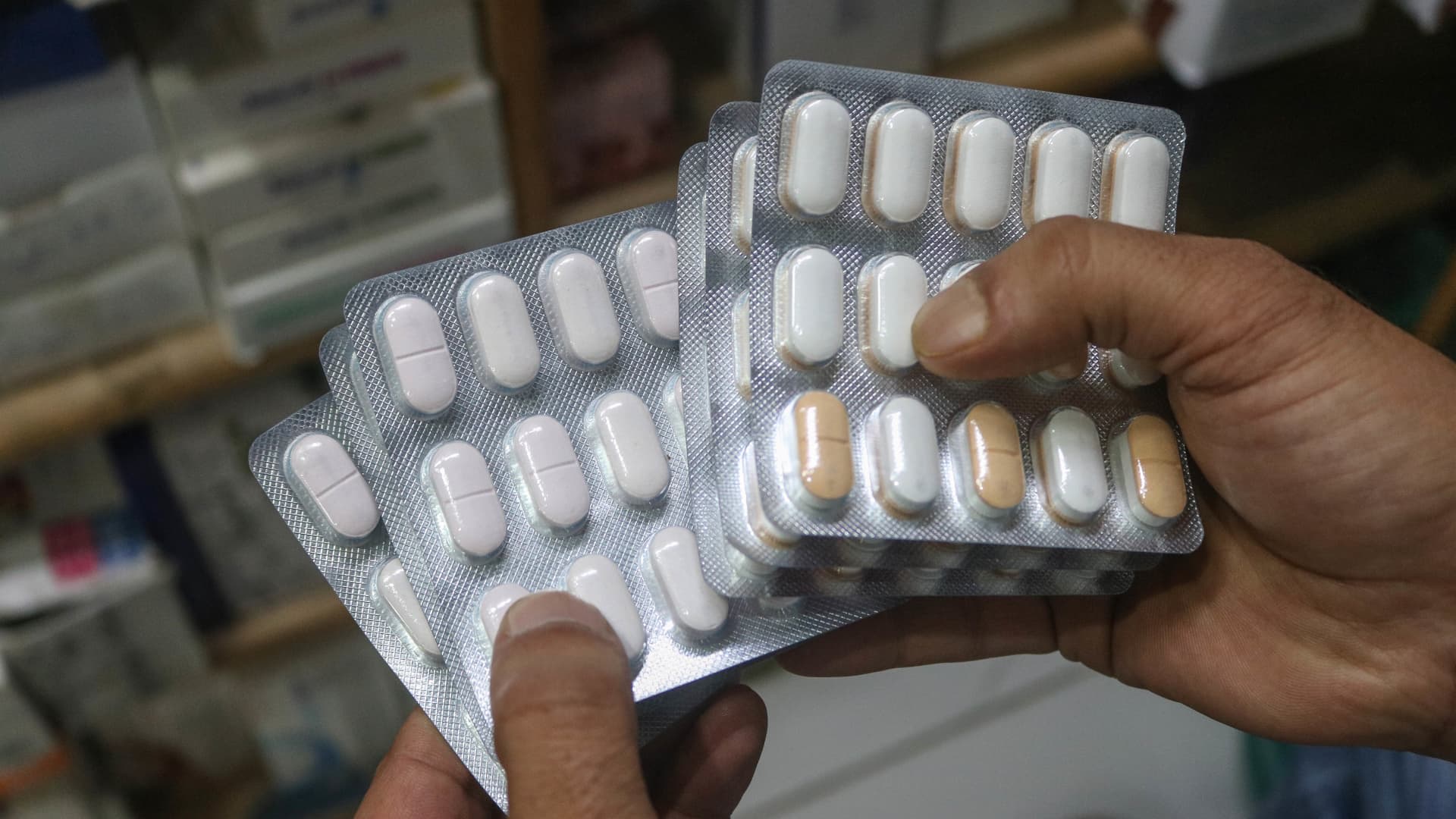
Sandoz CEO Richard Saynor warns that President Trump's proposed 100-200% tariffs on imported generics will force price hikes or supply shortages. He emphasizes that American patients will ultimately shoulder these costs as manufacturers cannot sustain production at a material loss.
The Impending Crisis in Generic Drug Affordability
Recent statements from Richard Saynor, the CEO of Swiss pharmaceutical giant Sandoz, have brought to light a significant economic friction point: the proposed imposition of steep U.S. tariffs on imported generic medicines. With President Donald Trump suggesting tariffs starting at 100% by 2028 and escalating to 200% the following year, the pharmaceutical industry is sounding an alarm regarding the future of drug accessibility and cost in the United States.
The Economic Reality of Pharmaceutical Supply Chains
The fundamental issue highlighted by Saynor is the razor-thin margin environment in which many generic drug manufacturers operate. Unlike patented, brand-name drugs that may command high premiums, generic medications are commoditized products where volume is the primary driver of profitability. Saynor’s assertion that "patients pay the tariff" reflects a basic economic principle: when the cost of importation is artificially inflated by hundreds of percentage points, the burden must be offset either by increasing the retail price or by withdrawing the product from the market entirely.
The Choice: Inflation or Shortages
Manufacturers like Sandoz face a binary outcome under the proposed tariff regime. They must either pass the increased costs directly to the U.S. healthcare system—which would lead to substantial inflation for essential medications—or cease the supply of drugs that become unprofitable to produce. The latter scenario presents a dire risk to public health, as the U.S. relies heavily on global supply chains for the foundational medicines that millions of Americans depend on daily for chronic condition management.
Historical Context and Market Vulnerability
The U.S. pharmaceutical market has long benefited from globalized supply chains that keep generic prices low. By threatening to dismantle this structure through protectionist trade barriers, the proposed policy risks reversing years of progress in drug affordability. Historically, the generic drug market has acted as a stabilizer against rising healthcare costs; however, this proposal suggests a shift toward a more insular domestic manufacturing model that may not be equipped to handle the immediate demand for essential generic supplies.
Broader Implications for Healthcare Infrastructure
Beyond individual price hikes, the broader implication of these tariffs is a potential disruption to the stability of the entire healthcare system. If manufacturers exit the market due to the inability to absorb these costs, the resulting supply gaps could lead to acute shortages of life-saving medicines. This creates a strategic vulnerability where the nation’s health security is tied directly to the success of trade negotiations and the sustainability of domestic manufacturing capacities, which take years to scale.
Conclusion: The Cost of Protectionism
Ultimately, the warnings provided by industry leadership suggest that the proposed tariff policy on generic drugs may be counterproductive to its intended goal of securing the supply chain. If the cost of protection is a significant increase in patient out-of-pocket expenses or the loss of access to critical treatments, the policy may face stiff opposition from both healthcare providers and patient advocacy groups. The coming years will be a test of whether the U.S. can transition to a more localized pharmaceutical model without compromising the affordability that currently supports the American patient.