David Warner slams Pat Cummins over Khawaja row: ‘Threw Uzzy under the bus’
Source Entity
The Indian Express
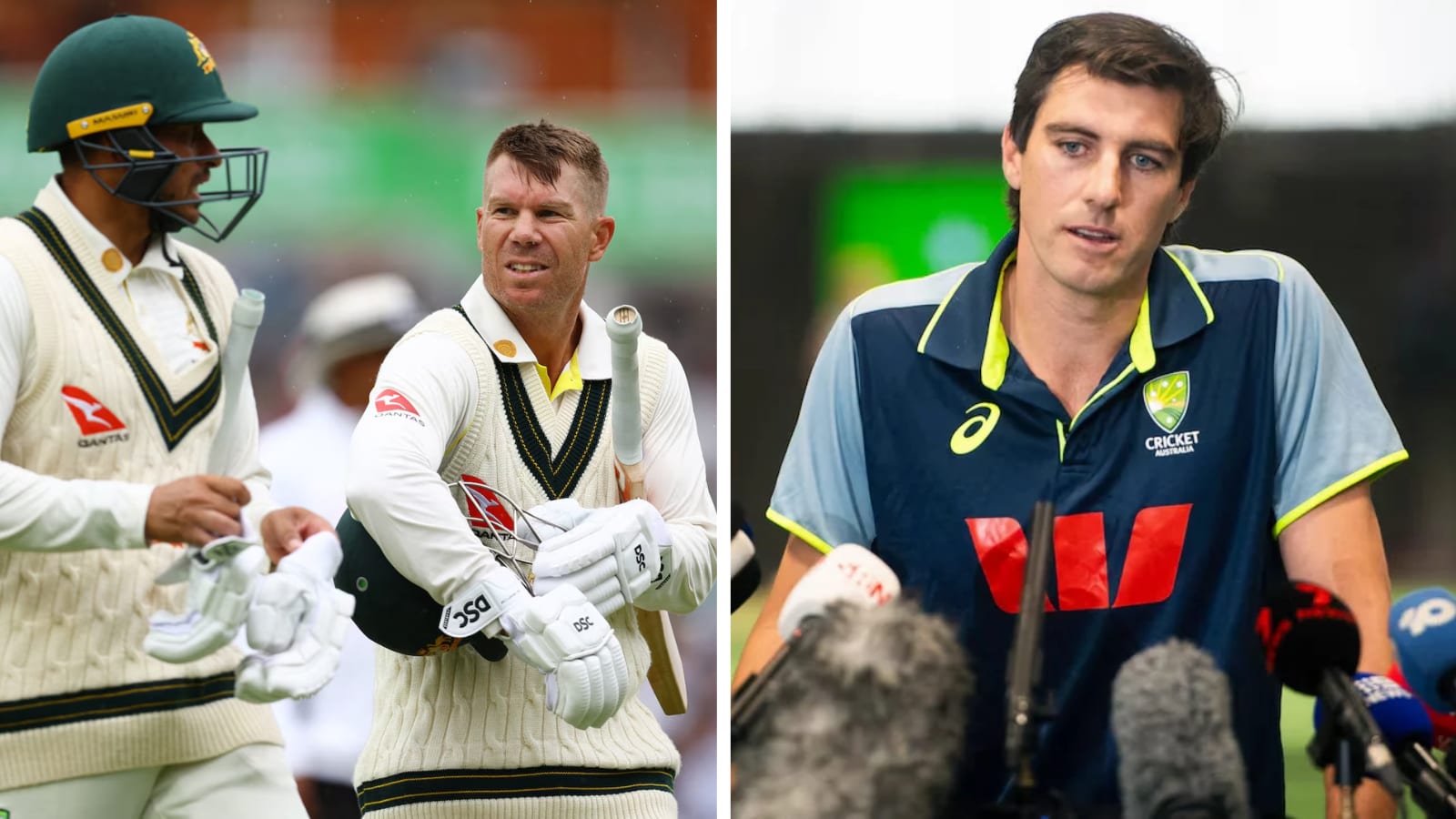
Usman Khawaja’s autobiography has reignited the 2018 Sandpapergate controversy by claiming ball-tampering occurred earlier in the series. The revelations have placed Mitchell Starc under scrutiny and prompted Alyssa Healy to express her conflict, while Cricket Australia maintains a focus on the future.
The Resurgence of the Sandpapergate Scandal
The 2018 ball-tampering scandal, colloquially known as 'Sandpapergate,' remains one of the darkest chapters in Australian cricket history. Recently, the controversy has been thrust back into the public eye following the release of Usman Khawaja's autobiography, Sabr. Khawaja’s account suggests that the practice of using sandpaper to alter the ball was not an isolated incident in Cape Town, but rather a tactic employed as early as the second Test in Port Elizabeth.
Explosive Claims and Internal Friction
Khawaja’s narrative points to a broader culture of non-compliance, alleging that Cameron Bancroft was utilizing foreign objects to manipulate the ball to an extent that rendered the swing 'ridiculous.' By asserting that the team’s success during that session was linked to such methods, Khawaja has effectively challenged the long-standing narrative that the Cape Town incident was an aberration. This has created a direct conflict with other players, most notably Mitchell Starc, who has vehemently defended his previous statements and refuted the implications of Khawaja's claims.
The Human Impact on the Cricket Family
A particularly poignant dimension of this renewed discourse involves Alyssa Healy, the captain of the Australian women's team and wife of Mitchell Starc. Healy has spoken openly about feeling 'slightly conflicted' regarding the re-emergence of these allegations. Her perspective highlights the personal toll that historical scrutiny takes on the families of those involved, as the sport grapples with the tension between individual accountability and the collective image of the Australian team.
Media Fallout and Institutional Stance
The intensity of the backlash was underscored when Khawaja opted to cancel his remaining media tour to promote Sabr. After a difficult interview with Sarah Ferguson, it became clear that the controversy surrounding the 2018 series was overshadowing the broader themes of his book. Khawaja has expressed a desire for the team to collectively accept responsibility for the era's actions, a sentiment that stands in stark contrast to the current institutional approach.
The Path Forward for Cricket Australia
Cricket Australia has signaled a clear intent to move past these historical grievances, remaining disinclined to reopen investigations into the 2018 tour. The organization appears focused on distancing itself from the scandal, prioritizing future endeavors over addressing the uncomfortable truths raised by players like Khawaja. This institutional silence suggests a strategic effort to protect the sport’s reputation, yet the persistent nature of these revelations indicates that the issue of systemic accountability remains unresolved.
Future Implications for the Sport
As the cricketing world reflects on these new details, the debate serves as a reminder of the fragility of sporting integrity. Whether or not further evidence emerges, the rift created by Khawaja’s revelations highlights the difficulty of achieving consensus on past failures. Moving forward, the sport must balance the necessity of transparency with the practical reality that some chapters, while painful, may never reach a definitive conclusion.
Multiple Citing Sources