Sanskrit varsity suspension row: Maintenance of discipline paramount, can’t be compromised, university tells Kerala HC
Source Entity
India Latest News: Top National Headlines Today & Breaking News | The Hindu
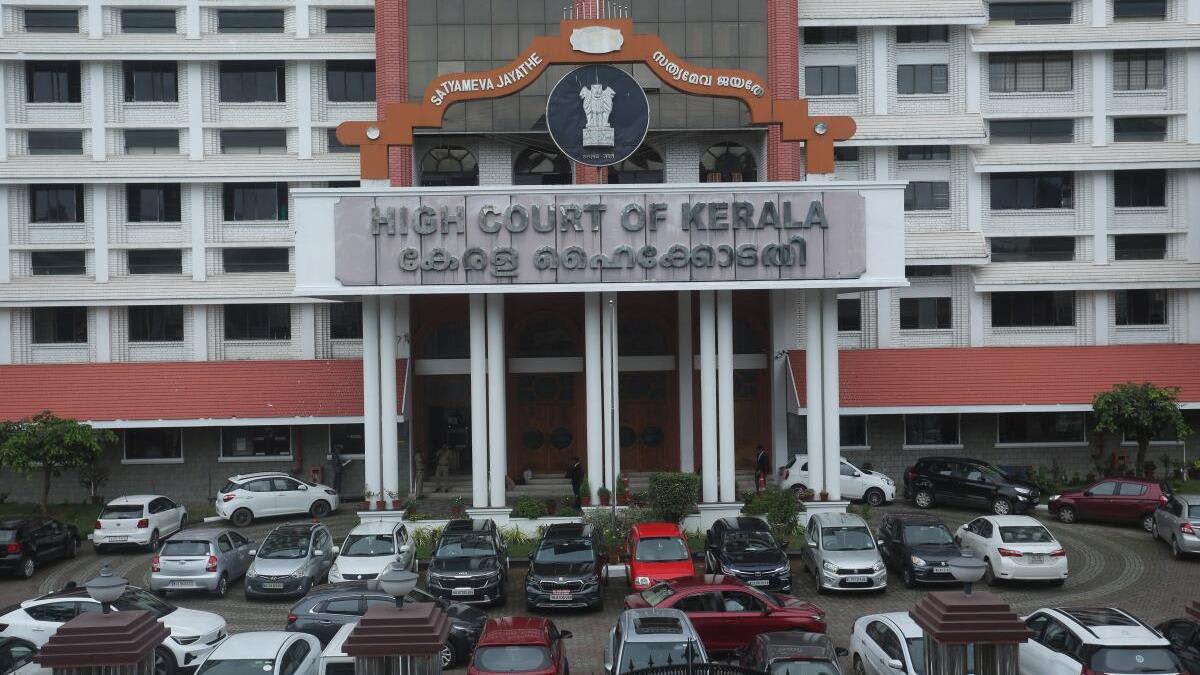
The Sree Sankaracharya University of Sanskrit is defending its suspension of sixteen students following a protest involving the alleged harassment of the Vice-Chancellor. The university argues before the Kerala High Court that academic discipline must take precedence over the students' request to sit for exams.
The Clash Between Student Activism and Academic Governance
The Sree Sankaracharya University of Sanskrit in Kalady, Kerala, is currently embroiled in a significant legal confrontation with sixteen students and activists associated with the Student Federation of India (SFI). The conflict centers on a disciplinary action taken by the university administration following a September 1 protest, during which the Vice-Chancellor was allegedly subjected to a mock cremation, physical manhandling, and attempted property damage. This incident has ignited a broader debate regarding the boundaries of student dissent within higher education institutions.
The University's Stance on Institutional Order
In its affidavit submitted to the Kerala High Court, the university has adopted a firm stance, asserting that the "maintenance of discipline is paramount" and cannot be compromised to accommodate the individual interests of a small group of students. By prioritizing the preservation of a safe and orderly campus environment, the administration is signaling that acts of physical intimidation or personal targeting of faculty and leadership fall outside the scope of acceptable protest. The university maintains that judicial intervention in these disciplinary proceedings would undermine its authority to govern its internal operations effectively.
Legal Implications of the Suspension
The sixteen suspended students have petitioned the High Court to challenge the validity of their suspensions, specifically seeking permission to appear for their upcoming semester examinations. This presents a complex legal scenario: balancing the students' right to education and academic progression against the university's right to enforce disciplinary codes. The outcome of this case will likely set a significant precedent for how Kerala's higher education institutions handle student protests that cross the line into personal harassment or property damage.
Broader Context of Academic Discipline in Kerala
The Sree Sankaracharya University case reflects a recurring tension in Indian academia, where political activism often intersects with university management. In such environments, the administration’s ability to function depends on maintaining a delicate balance between fostering a democratic space for student expression and ensuring the physical security of its staff. The university's argument—that its functional integrity is at stake—highlights the institutional vulnerability of universities when administrative authority is challenged through confrontational tactics.
Future Trends and Judicial Precedent
As the Kerala High Court deliberates, the case underscores a growing trend toward increased judicial scrutiny of university disciplinary policies. If the court upholds the university's decision, it reinforces the principle that academic institutions possess the autonomy to impose consequences for conduct deemed detrimental to institutional safety. Conversely, any judicial relief granted to the students could force universities to adopt more rigorous and transparent due-process standards, potentially limiting the scope of summary disciplinary actions in the future.
Conclusion
Ultimately, the standoff at Sree Sankaracharya University serves as a cautionary tale regarding the limits of protest on university campuses. While the right to dissent is a cornerstone of student life, the alleged actions against the Vice-Chancellor have pushed this dispute into the realm of legal accountability. As the case moves forward, the primary focus remains on whether the court will prioritize the university's need for order or the students' immediate academic requirements.
Verification Required?