20 yrs before Satluj, a House divided: A debate on militancy that only reopened old wounds
Source Entity
Kanchan Vasdev
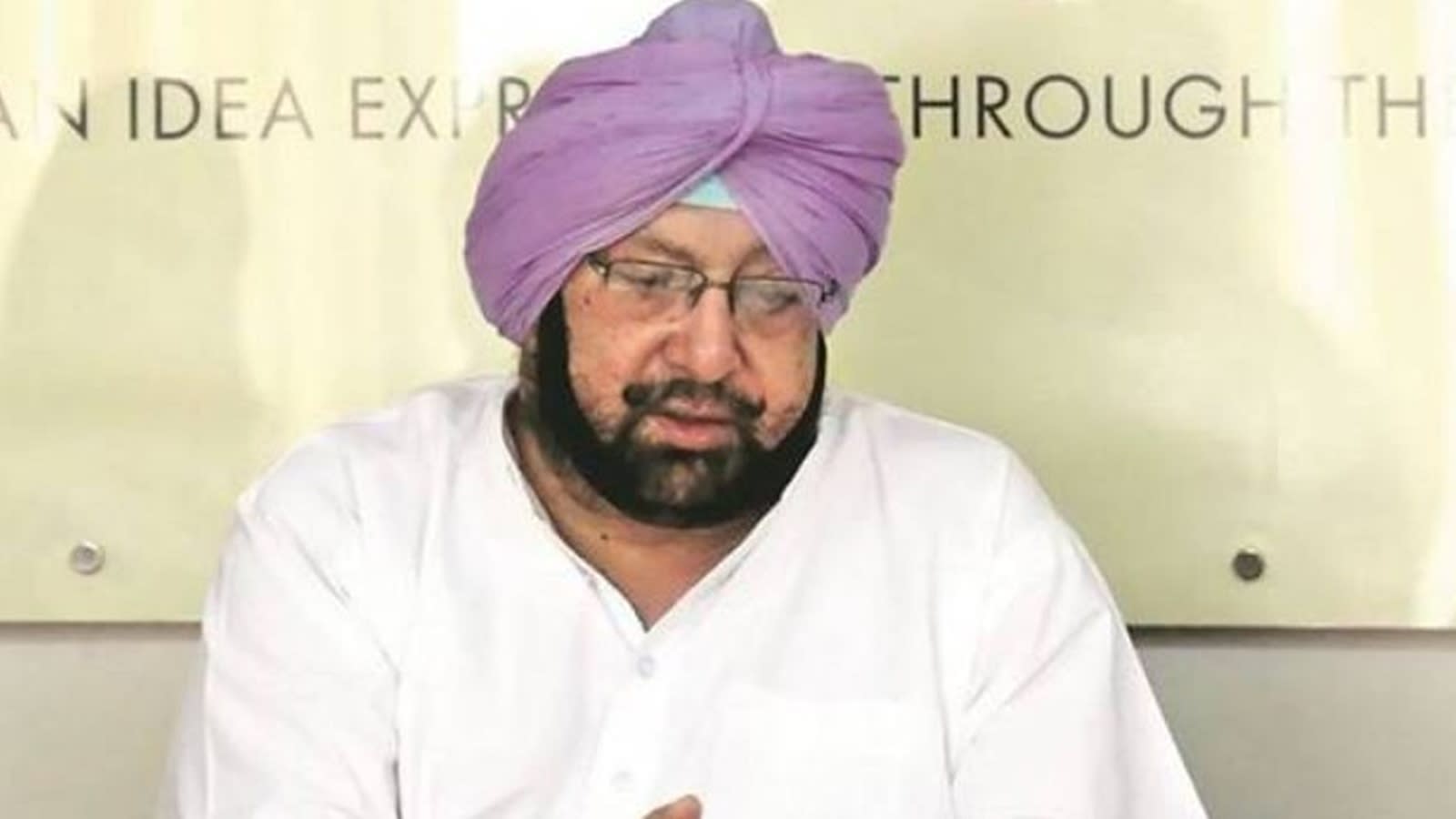
The release of the biopic 'Satluj', focusing on human rights activist Jaswant Singh Khalra, has reignited deep-seated divisions in Punjab regarding the memory and legacy of the militancy era.
The Cinematic Catalyst: 'Satluj' and the Memory of Militancy
The release of the biopic Satluj, centered on the life and work of human rights activist Jaswant Singh Khalra, has acted as a potent catalyst for a long-simmering debate in Punjab. The film does not merely exist as a piece of cinema but as a socio-political mirror reflecting the deep scars left by the era of militancy. By bringing the story of Khalra—a man who dedicated his life to uncovering the truth about 'disappeared' persons—back into the public consciousness, the film has forced a confrontation between competing narratives of history, justice, and state power.
The Legacy of Jaswant Singh Khalra
To understand why Satluj has caused such a stir, one must analyze the role of Jaswant Singh Khalra. Khalra was a pivotal figure who courageously documented the clandestine cremations of thousands of individuals by security forces during the insurgency. His work provided a voice to the voiceless and a count to the missing, turning a vague sense of loss into a documented record of human rights violations. Because his work directly challenged the official narratives of the time, any artistic representation of his life is inherently political, as it validates the trauma of the victims while questioning the methods used to restore order.
A House Divided: The Clash of Narratives
The 'divided house' mentioned in the reports refers to the binary perception of the militancy period. On one side are those who view the state's actions as a necessary, albeit harsh, response to secure the region from separatist violence. On the other side are the victims and activists who see that period as one of unchecked state excess and systemic human rights abuses. Satluj reopens these wounds because it shifts the focus from the 'security' narrative to the 'human rights' narrative, triggering a defensive reaction from those who believe that revisiting these events threatens the current stability of the region.
Historical Resonance and the Cycle of Trauma
Historically, Punjab has struggled to find a collective path toward reconciliation. The violence of the 1980s and 90s was not just physical but psychological, leaving a legacy of suspicion and grief. The fact that a film released decades later can still polarize the population indicates that the process of healing is incomplete. This cycle of trauma is often exacerbated when the state remains reluctant to fully acknowledge past wrongs, leaving art—like Satluj—to fill the void of official truth-telling, which inevitably leads to friction between different social and political factions.
The Role of Biopics in Historical Revisionism
Biopics possess a unique power to shape historical memory for younger generations who did not experience the events firsthand. While Satluj aims to honor Khalra's bravery, the controversy surrounding it highlights the danger of 'narrative warfare.' When history is contested, a film can be perceived either as a tool for justice or as a vehicle for propaganda. This tension underscores the difficulty of creating a shared historical record in a region where the ghosts of the past are still very much present in the political discourse.
Future Trends: Toward Reconciliation or Polarization?
Looking forward, the debate triggered by Satluj suggests that Punjab is entering a phase where the 'silence' of the post-militancy era is no longer sustainable. As more archives open and more personal stories emerge through media, the region will likely see more such clashes. Whether this leads to a genuine process of truth and reconciliation or further polarization depends on whether the state and society can move toward a nuanced understanding of the past—one that acknowledges both the horrors of militancy and the failures of the state.
Conclusion
In summary, Satluj is more than a movie; it is a flashpoint for a society still grappling with its history. By centering the narrative on Jaswant Singh Khalra, the film challenges the status quo and forces a dialogue on human rights and accountability. While the debate may have 'reopened old wounds,' it also highlights the indispensable role of memory in the pursuit of justice, suggesting that true peace cannot be achieved through forgetting, but only through an honest accounting of the past.