Jaswant Singh Khalra's wife breaks silence on ‘Satluj’ ban in India: ‘Unite in search for truth’
Source Entity
Latest News: Today's Latest News Headlines from India & World | Hindustan Times | Hindustan Times
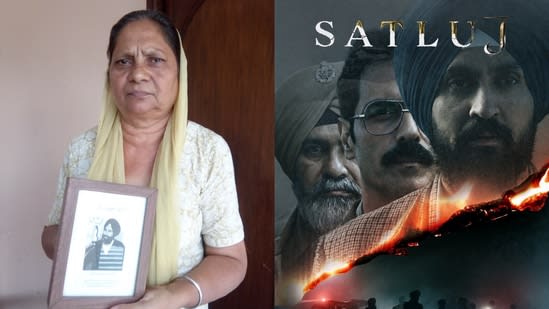
After being removed, the film 'Satluj', which exposes human rights violations, is being screened publicly across Punjab, especially in villages.
The Struggle for Memory: The Ban of 'Satluj' and the Legacy of Jaswant Singh Khalra
The recent controversy surrounding the ban of the film Satluj highlights a persistent tension in India between state-mandated narratives and the pursuit of historical truth. The film, which aims to expose grave human rights violations, has faced official removal, sparking a wave of grassroots resistance. This censorship has not silenced the discourse but has instead shifted it from formal theaters to the heart of rural Punjab, where the film is now being screened in villages. The situation underscores a broader conflict regarding how a society processes past trauma and state violence.
The Symbolism of Jaswant Singh Khalra
To understand the gravity of this event, one must recognize the figure of Jaswant Singh Khalra. Khalra was a prominent human rights activist who dedicated his life to uncovering the fate of thousands of people who disappeared during the militancy era in Punjab. His work, which involved documenting 'secret cremations' carried out by security forces, made him a target of the state. His own disappearance and presumed extrajudicial killing became a symbol of the cost of seeking truth in a climate of fear. The film Satluj, by focusing on these violations, directly engages with Khalra's legacy and the unresolved grief of thousands of families.
Censorship as a Catalyst for Grassroots Activism
The removal of Satluj from official channels has inadvertently triggered a 'guerrilla cinema' movement. By screening the film in Punjab's villages, activists are ensuring that the narrative reaches the very people most affected by the human rights abuses depicted. This shift from urban centers to rural heartlands suggests that the ban has failed to suppress the information; rather, it has democratized its distribution. This method of public screening serves as both an educational tool and a form of political protest, reclaiming the public space for discussions that the state deems sensitive or taboo.
Analyzing the Call for Unity
The breaking of silence by Jaswant Singh Khalra's wife adds a profound emotional and moral dimension to the struggle. Her call to 'unite in search for truth' is not merely a request for the film to be seen, but a plea for collective memory. In the context of human rights, 'truth' is often the first step toward justice and reconciliation. By urging the public to unite, she is framing the viewing of Satluj as a civic duty and a communal act of remembrance, transforming a cinematic experience into a movement for accountability.
Broader Implications for Freedom of Expression
This incident reflects a wider trend of tightening control over narrative and expression in India. When films documenting human rights violations are suppressed, it raises critical questions about the boundaries of free speech and the state's fear of historical scrutiny. The ban on Satluj can be viewed as an attempt to prevent the 'normalization' of these historical grievances in the public consciousness. However, the backlash indicates that there is a significant appetite among the populace to confront the shadows of the past, regardless of official restrictions.
Conclusion: The Enduring Quest for Justice
Ultimately, the battle over the film Satluj is not about the medium of cinema, but about the right to remember. The transition of the film from banned screens to village squares demonstrates the resilience of those seeking closure for the disappearances of the past. As long as the families of the disappeared continue to seek answers, and as long as voices like that of Khalra's wife continue to call for unity, the search for truth will persist. The legacy of Jaswant Singh Khalra lives on not just in the records he left behind, but in the courage of those who refuse to let his—and others'—stories be erased.
Verification Required?