Bunkers, handpicked guards: How Saudi Prince moves between palaces amid Houthi threat
Source Entity
AADRITA HALDER
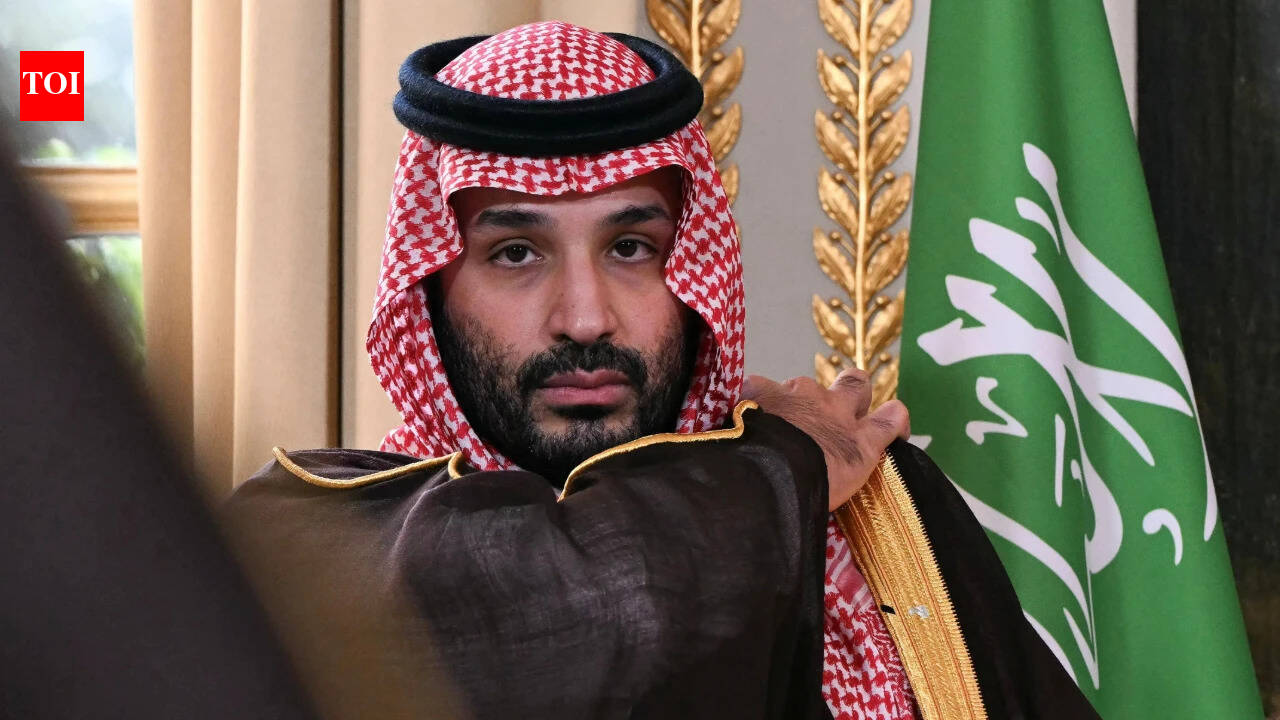
Saudi Crown Prince Mohammed bin Salman has increased security measures, including the use of bunkers, following a surge in Houthi drone and missile attacks. The kingdom has faced criticism for halting public air-raid alerts while intercepting hostile drones near Riyadh.
Security Escalation in the Kingdom
The security landscape in Saudi Arabia has undergone a drastic transformation as the kingdom grapples with a persistent and evolving threat from Houthi forces. Reports indicate that Crown Prince Mohammed bin Salman has adopted a highly mobile and clandestine routine, shifting frequently between heavily fortified palaces equipped with specialized bunkers. This defensive posture is managed by a handpicked security detail, reflecting the gravity of the perceived threats against the Saudi leadership.
The Failure of Public Warning Systems
Compounding the climate of anxiety is the state’s decision to suspend its public early warning system. While the Saudi civil defense authority previously utilized mobile alerts and social media to inform citizens of incoming threats, these warnings ceased in the days preceding a devastating strike on Riyadh’s international airport. This lack of transparency has forced Western embassies to issue independent security advisories, highlighting a significant gap in the kingdom’s domestic crisis communication strategy during this period of heightened regional volatility.
Tactical Challenges and Aerial Interceptions
The military situation remains precarious, characterized by a steady stream of aerial incursions. The Saudi-led coalition recently confirmed the interception of three drones north of Riyadh, a stark reminder of the Houthis' reach and the kingdom's struggle to secure its critical infrastructure. These interceptions, while successful in preventing immediate impact, underscore the technological challenges involved in shielding economic assets and civilian centers from localized, low-altitude drone warfare.
The Cycle of Retaliation
Regional tensions have reached a boiling point as the military coalition prepares for retaliatory operations within Yemen. The coalition has announced plans to target sites in Sanaa, prompting immediate counter-threats from Houthi leadership, who have warned of a "tough and painful" response should their capital be targeted. This tit-for-tat escalation suggests a narrowing window for diplomatic de-escalation, as both sides prioritize military posturing over ceasefire negotiations.
Broader Implications and Future Trends
Looking forward, the persistence of these attacks poses a significant challenge to the kingdom’s long-term economic stability and international security reputation. The reliance on bunkers for top leadership and the operational strain on the military coalition suggest that the conflict is entering a more dangerous, unpredictable phase. Unless a political breakthrough is achieved, Saudi Arabia will likely continue to face a difficult balancing act: maintaining a robust military defense while attempting to restore public confidence and stability in the face of near-constant aerial threats.